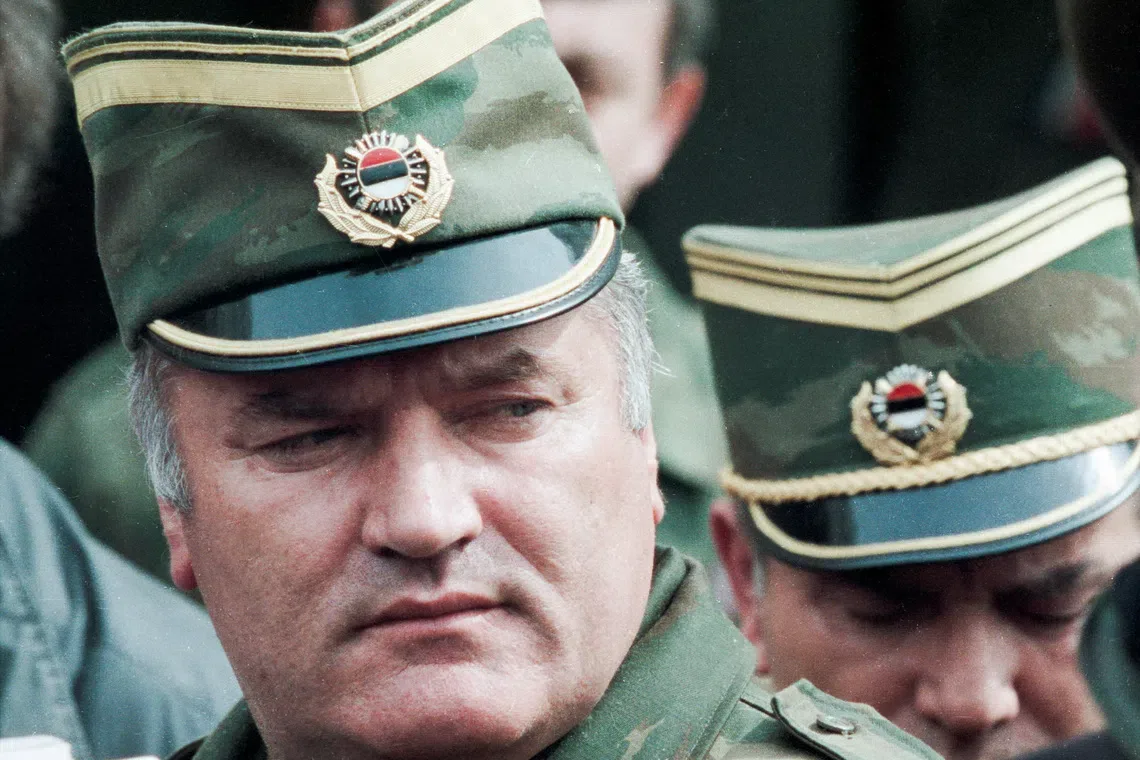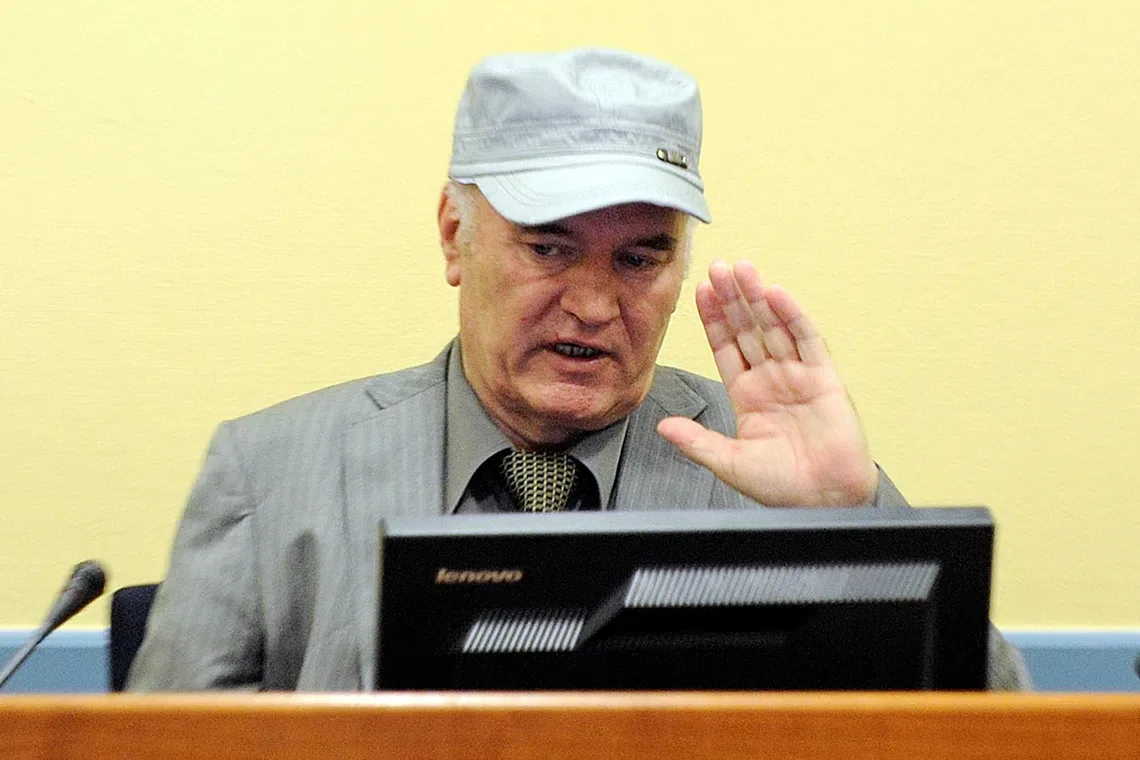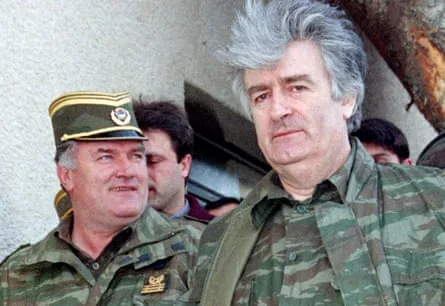
Ratko Mladić, the Bosnian Serb military leader known as the "Butcher of Bosnia," died on August 27 aged 84 in a UN prison hospital in The Hague after suffering multiple strokes and receiving palliative care [1, 2, 3, 4, 5, 6, 7, 8]. Mladić was serving a life sentence imposed in 2017 by the UN International Criminal Tribunal for the former Yugoslavia (ICTY) for genocide, war crimes, and crimes against humanity during the 1992-95 Bosnian war [1, 2, 3, 4, 5, 6, 7, 8]. His life sentence was upheld on appeal in 2021 [1, 5].
During the war, Mladić led the Bosnian Serb army, orchestrating the 1995 Srebrenica massacre where more than 8,000 Bosniak Muslim men and boys were killed in what Europe’s worst atrocity since World War II [2, 3, 4, 5, 9, 10, 6, 7, 8]. He also commanded forces during the siege of Sarajevo, a bombardment that lasted over three years and caused 10,000 to 11,000 deaths, including civilians [2, 3, 5, 9, 10, 8].
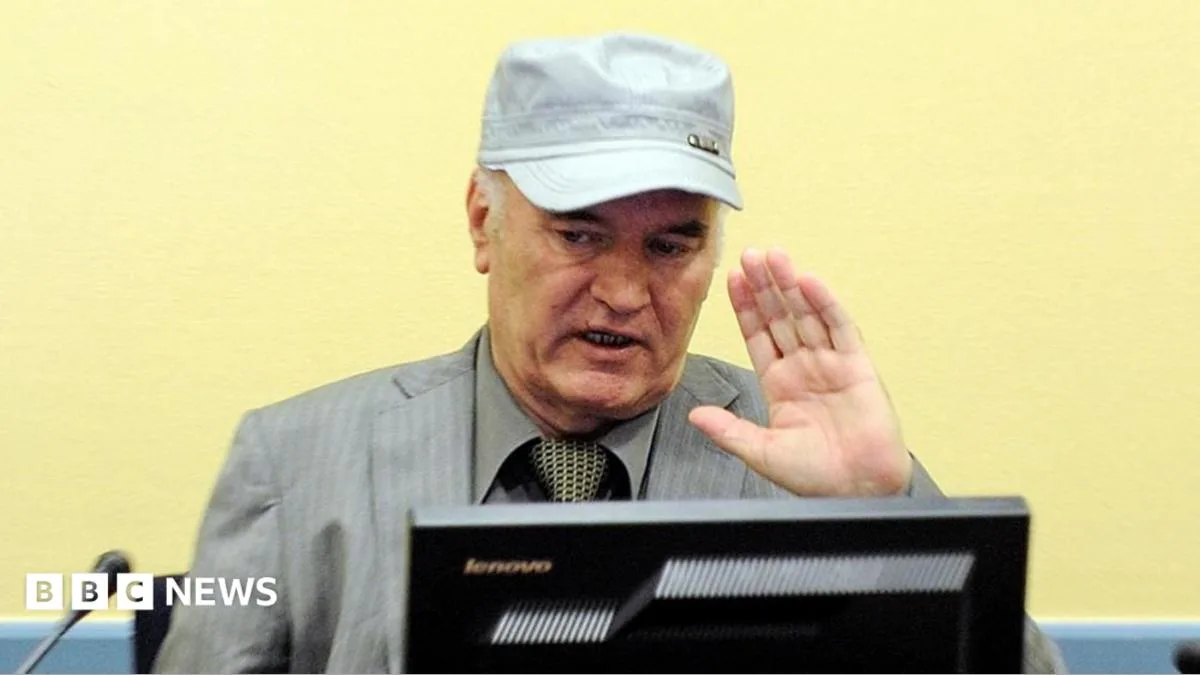
After the war, Mladić evaded arrest for 16 years before being captured in Serbia in 2011 and transferred to The Hague for trial [1, 3]. Throughout his trial, Mladić denied the charges, famously shouting, "I do not recognise this court. This is all lies, you are all liars!" [2].
Serbian state broadcasters were first to report his death following confirmation by UN officials and family members [3, 4, 5, 6, 7]. Milorad Dodik, the Bosnian Serb leader, called Mladić "respected by Serbian people" and described his death as "a murder," adding, "As a commander he stood to defend Serbs" [11]. However, survivors and international observers rejected such sentiments. Kada Hotic, a survivor, said, "Justice was served on the day he was sentenced to life. He died in disgrace, because he killed so many people" [11]. Emir Suljagic, head of the Srebrenica Memorial, said, "It doesn't bring back the dead. It does not change judgments. It does not turn the criminal into a historical figure. Now the hardest part... is not to let the truth, responsibility and memory die with him" [11]. Former UN rights chief Zeid Ra’ad al Hussein described Mladić as "the epitome of evil" [3].
Mladić’s exact birthdate and age at death differ slightly between sources, with most listing him as 84 years old [1, 3, 4, 5, 6, 7]. The siege of Sarajevo death toll is estimated between 10,000 and 11,000, including about 1,600 children, according to various reports [2, 3, 5, 9, 10].
His arrest in 2011 ended 16 years on the run since the conflict, marking a key moment in international justice efforts [1, 3]. Mladić remained imprisoned in The Hague until his death, leaving the legacy of his crimes firmly condemned by the UN tribunal.
A formal memorial and further statements are expected from international and Bosnian leaders in the coming days.