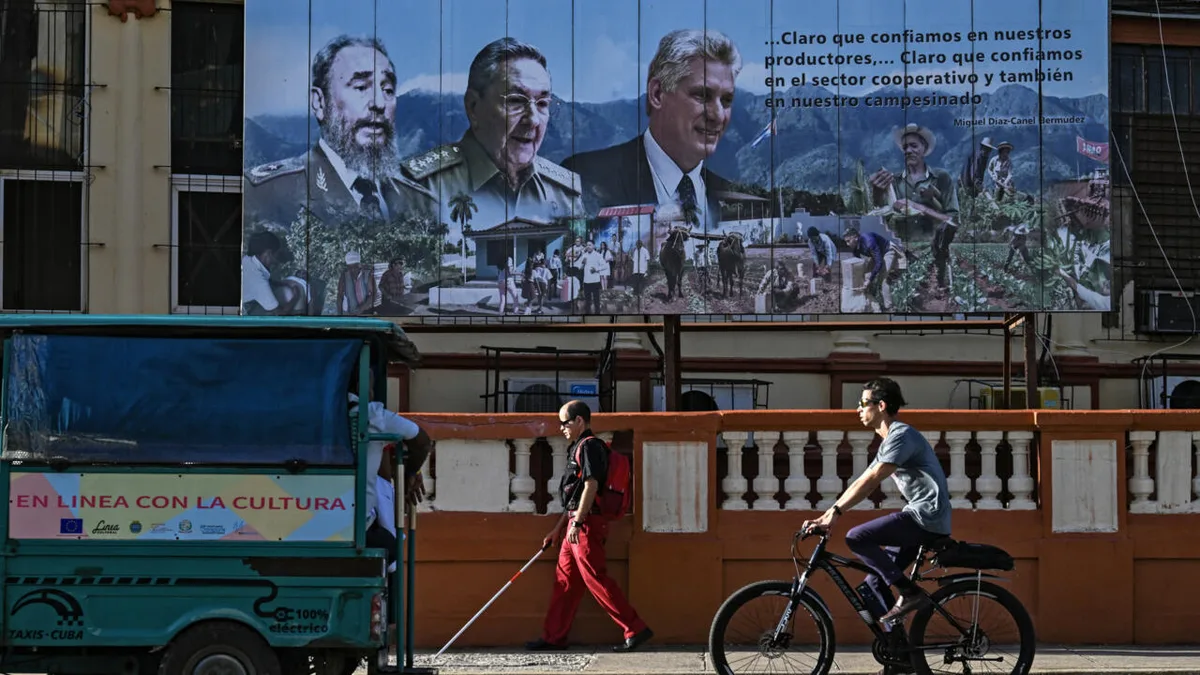
Raul Castro, the nonagenarian former Cuban president and influential political figure, publicly backed sweeping economic reforms proposed by the Cuban government to revive the country’s struggling economy amid the ongoing US embargo [1, 2]. Castro described the reforms as "the most beneficial to the revolution at this time" in a letter presented to the Communist Party politburo on June 17 [1, 2].
The planned reforms include expanding private investment, attracting capital from Cubans living abroad, and reducing the size and role of the state in the economy [1, 2]. Cuban President Miguel Diaz-Canel called the changes the most significant in years and said some measures were expected to be approved by the National Assembly within days of their announcement [1, 2].
The Cuban economy has faced growing pressures since the United States imposed an oil blockade in January 2026, intensifying shortages of food, fuel, water, and medicine and causing power outages lasting up to 30 hours [1, 2]. Prime Minister Manuel Marrero said the reforms do not signal abandoning social responsibilities but aim to revitalize the economy as the government continues talks with Washington [2].
It remains uncertain if the reforms will meet US demands, with President Donald Trump pushing for changes to Cuba’s economic model [1, 2]. The government plans to move quickly; reports on June 18 indicated some reform measures could be approved by the National Assembly within a week of Raul Castro’s endorsement [1, 2].