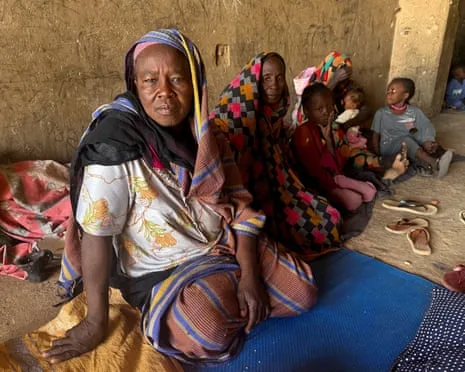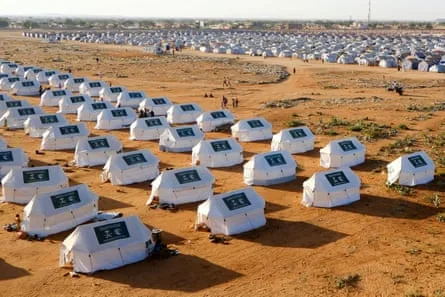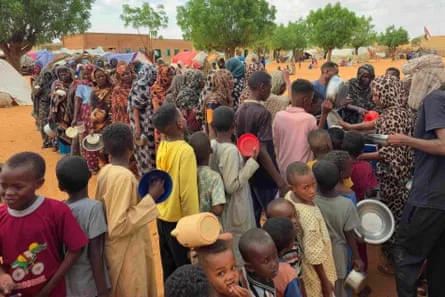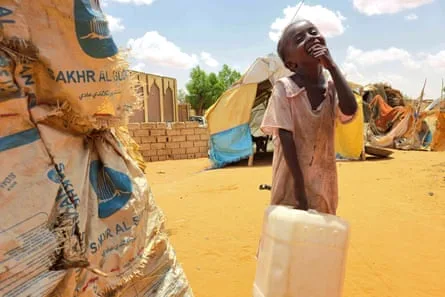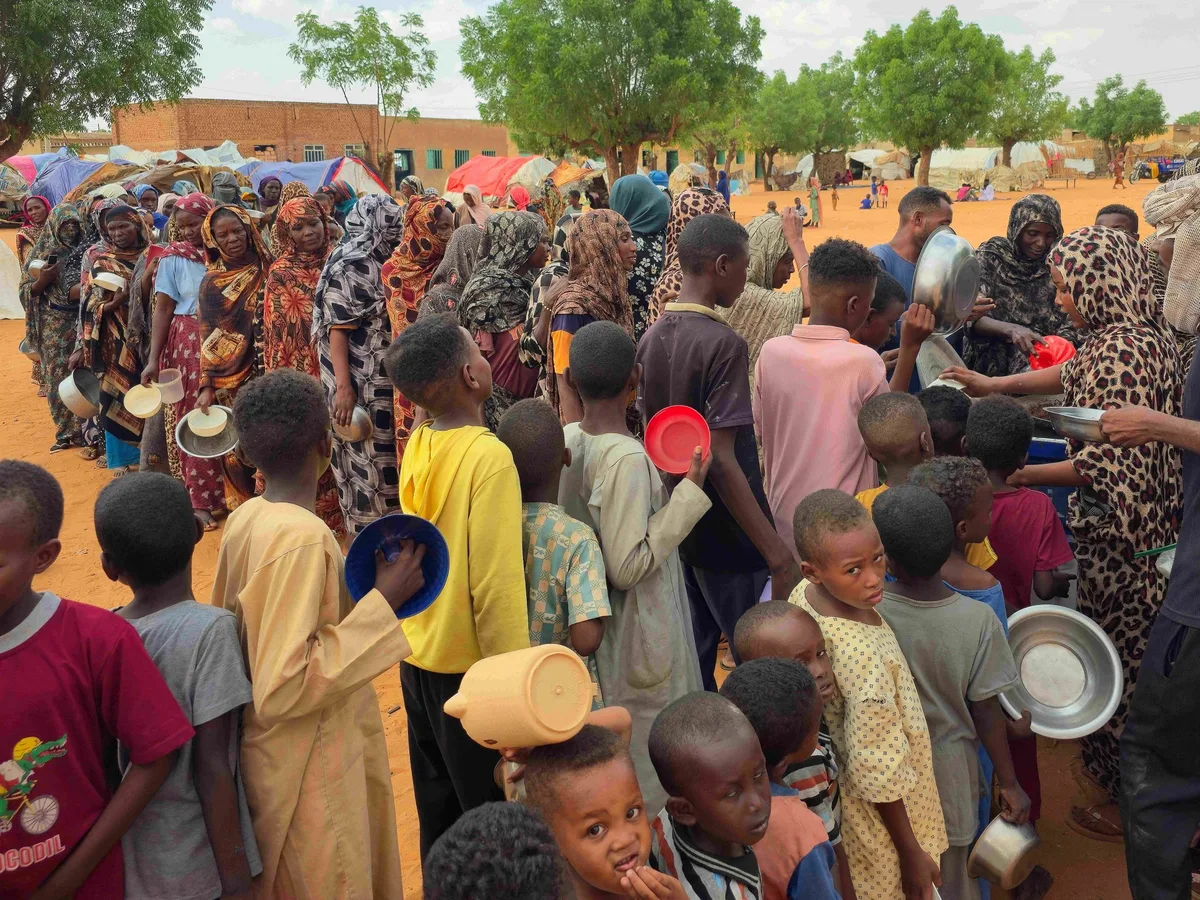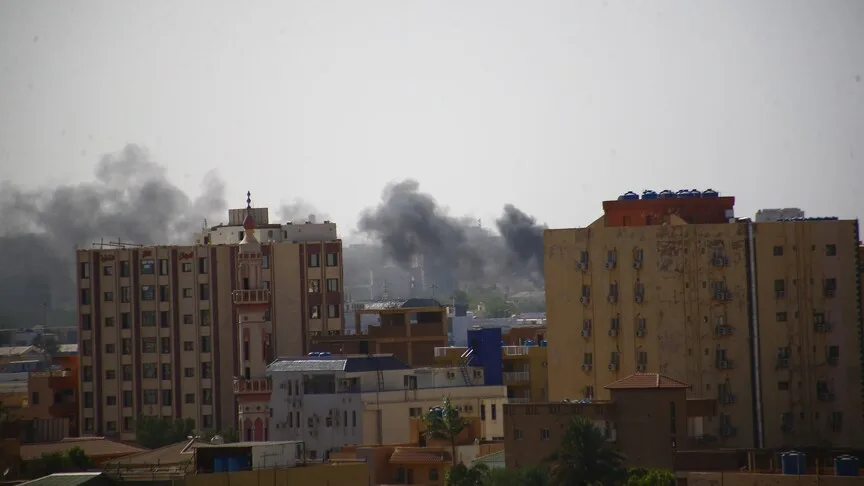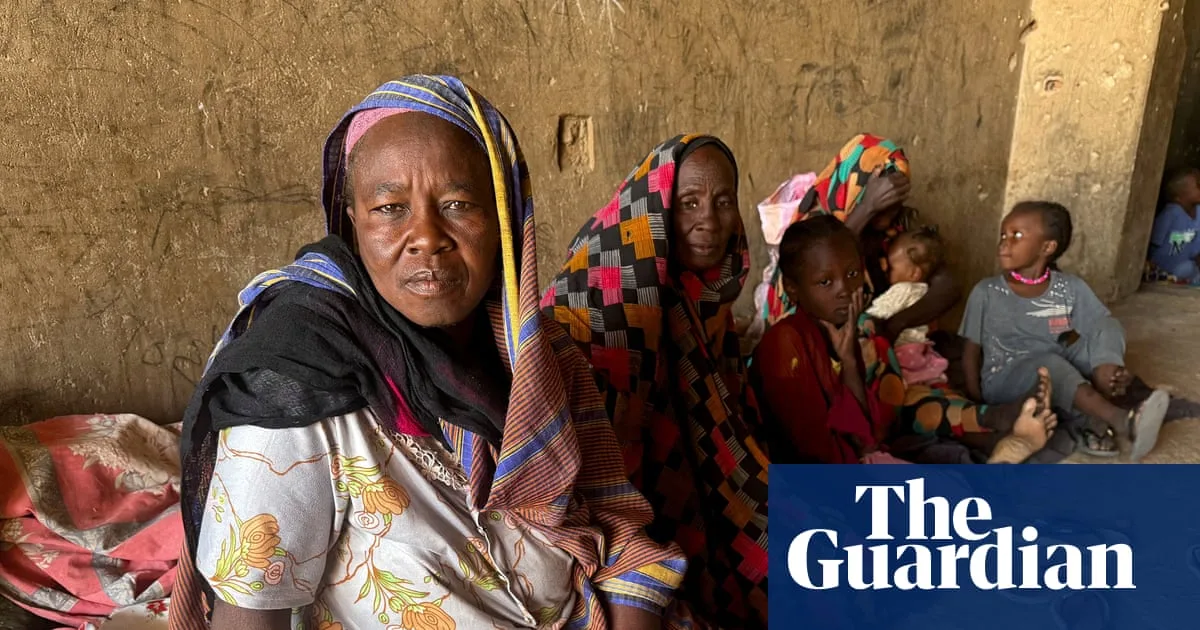
El Obeid, a key battleground city in Sudan’s war between the Sudanese Armed Forces (SAF) and the Rapid Support Forces (RSF), has faced intense drone strikes and a tight siege leading to a worsening humanitarian crisis. [1, 2, 3] Home to around 500,000 residents and 100,000 displaced refugees, the city hosts the SAF’s 5th Infantry Division and an airbase, making it a major military stronghold in the conflict. [1, 2, 3]
From June 6 to June 28, the RSF launched 15 drone strikes on El Obeid and its surrounding areas, killing 45 people and injuring 41, according to the UN human rights office. [1] These attacks targeted civilian infrastructure including schools, hospitals, fuel stations, the main power station, and water services, severely disrupting basic services and forcing residents to travel long distances to access electricity and water. [2]
The RSF-aligned Sudan Founding Alliance declared El Obeid a legitimate military target, citing military bases, command centers, and ammunition depots within the city. They stated, "El Obeid ... contains military bases, command centers, operations rooms, ammunition depots and facilities used to direct military operations. The presence of civilians does not turn a legitimate military objective into an illegitimate one." [3] However, UN officials and aid groups have warned that the ongoing attacks risk a humanitarian catastrophe and possible war crimes due to the heavy impact on civilians. [1, 2]
UN High Commissioner for Human Rights Volker Türk said on July 5, "The signs from El Obeid are clear and unmistakable: another human rights catastrophe is unfolding in Sudan. This is not a drill. It is a red alert that needs to land on the desks of heads of state and government around the world." [1] The UN Human Rights Council held an urgent debate on July 3 regarding the crisis in the city. [2]
The siege and fighting have caused food prices in El Obeid to surge by up to 300 percent, intensifying hardships for residents who already face insecurity and shortages. Mohamed Rifaat of the International Organization for Migration described the situation by saying, "El-Obeid is approaching a total siege that will soon render civilians unable to leave or return safely." [2]
There are fears that El Obeid could face a massacre similar to El Fasher in 2025, which followed an RSF siege. [1, 2, 3] Sudan’s conflict erupted in April 2023 and has killed tens of thousands and displaced nearly 13 million nationwide. [3]
The attacks and siege on El Obeid have continued through early August, and UN officials are calling urgently for an end to hostilities to prevent further loss of life and suffering.