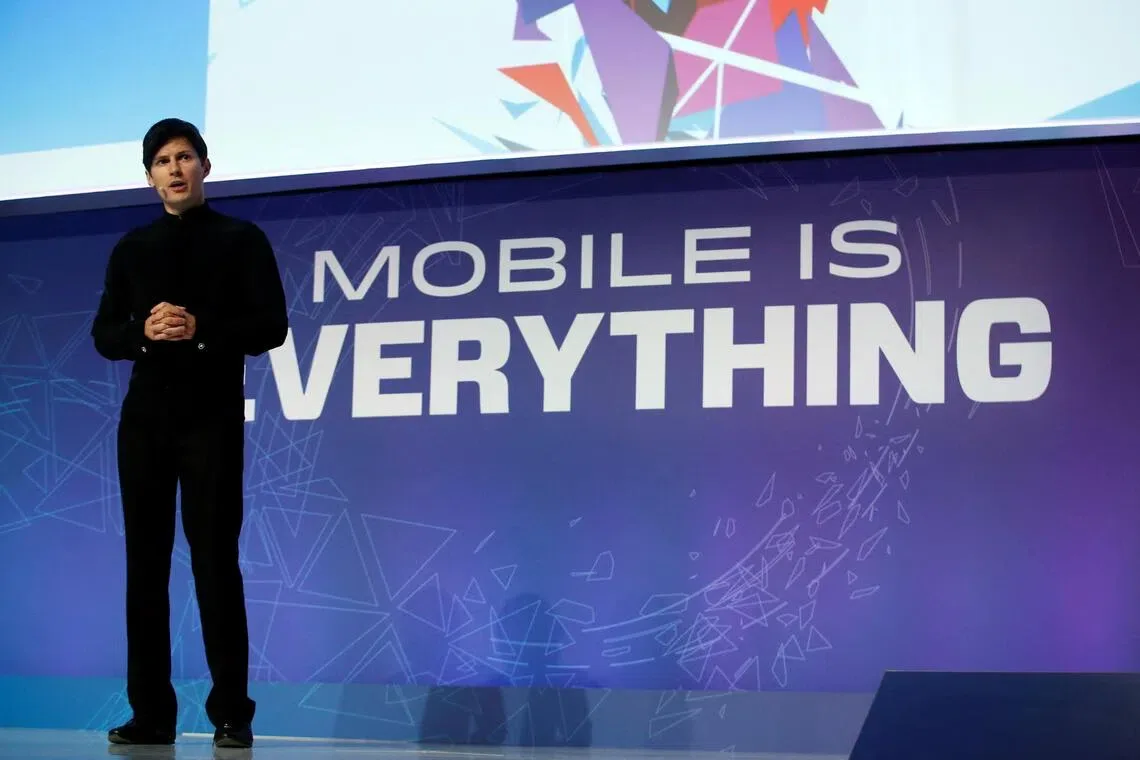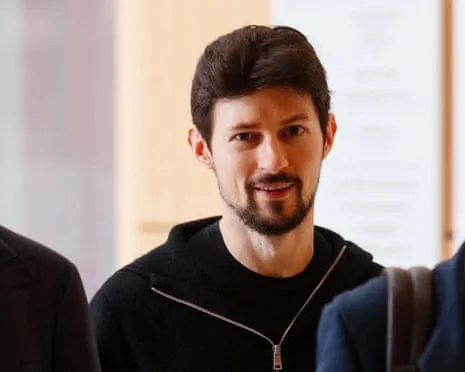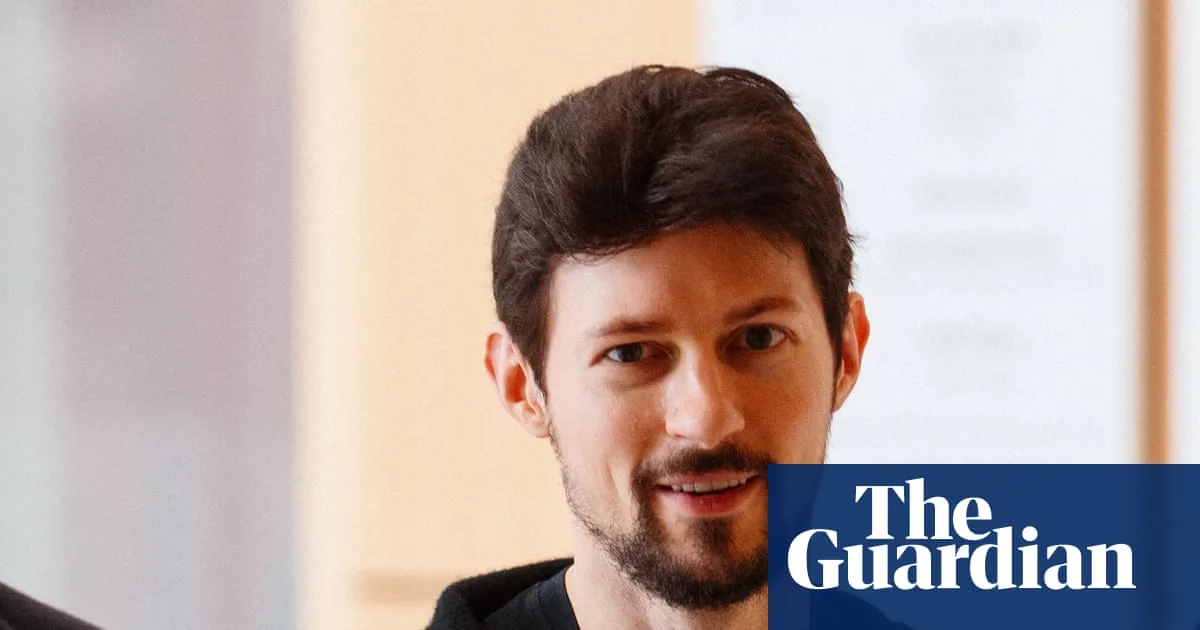
Russia’s Federal Security Service (FSB) charged Telegram founder Pavel Durov, 41, with aiding terrorism by failing to remove channels, chats, and bots allegedly used by Ukrainian intelligence and extremist groups to coordinate attacks in Russia, the FSB announced on July 30, 2026 [1, 2]. The agency claims Telegram ignored more than 150,000 content removal requests and that over 153,000 crimes involving Telegram have been registered in Russia since 2022, including planning attacks on a Moscow concert venue and killings of military officials and journalists [2].
Durov, who holds French and United Arab Emirates citizenship, currently resides outside Russia, primarily in Dubai and France [3, 1, 4]. On the same day, Russia’s financial watchdog Rosfinmonitoring added him to its terrorist and extremist blacklist, banning him from conducting financial transactions within Russia [1]. The FSB also placed Durov on an international wanted list as part of the charges [1, 5].
Durov responded on Telegram, saying Russia labeled him a terrorist “for refusing to comply with its demands for mass surveillance and censorship in Telegram” and lamented, “Russian officials have apparently become confused about who can prohibit whom from using the internet” [5]. He accused the Russian authorities of fabricating pretexts to restrict Telegram and suppress privacy and free speech rights, calling the situation “a sad spectacle of a state afraid of its own people” [3, 4].
Telegram remains one of Russia’s main messaging apps with more than 1 billion users worldwide despite Kremlin attempts to block or restrict it since 2018 and increasing restrictions across social media platforms including Facebook, Instagram, X, YouTube, Signal, and Viber [3, 1]. Russia began blocking or limiting access to social media services in 2022, following failed attempts to block Telegram from 2018 to 2020 [3, 4].
Durov was previously arrested in France in 2024 on unrelated charges but was released on bail and left the country after a travel ban was lifted [1, 4]. The latest charges mark an escalation by Russian authorities in their pursuit of Durov amid ongoing tensions over Telegram’s refusal to comply with Russian surveillance and content control demands.
Russian authorities opened the criminal investigation against Durov in February 2026 and formally announced charges on July 30, 2026 [4, 1]. Rosfinmonitoring’s blacklist and the international wanted status restrict Durov’s financial dealings and travel options tied to Russia.
The charges and blacklisting limit Durov’s legal and financial ties inside Russia while intensifying pressure on one of the country’s most popular messaging platforms.