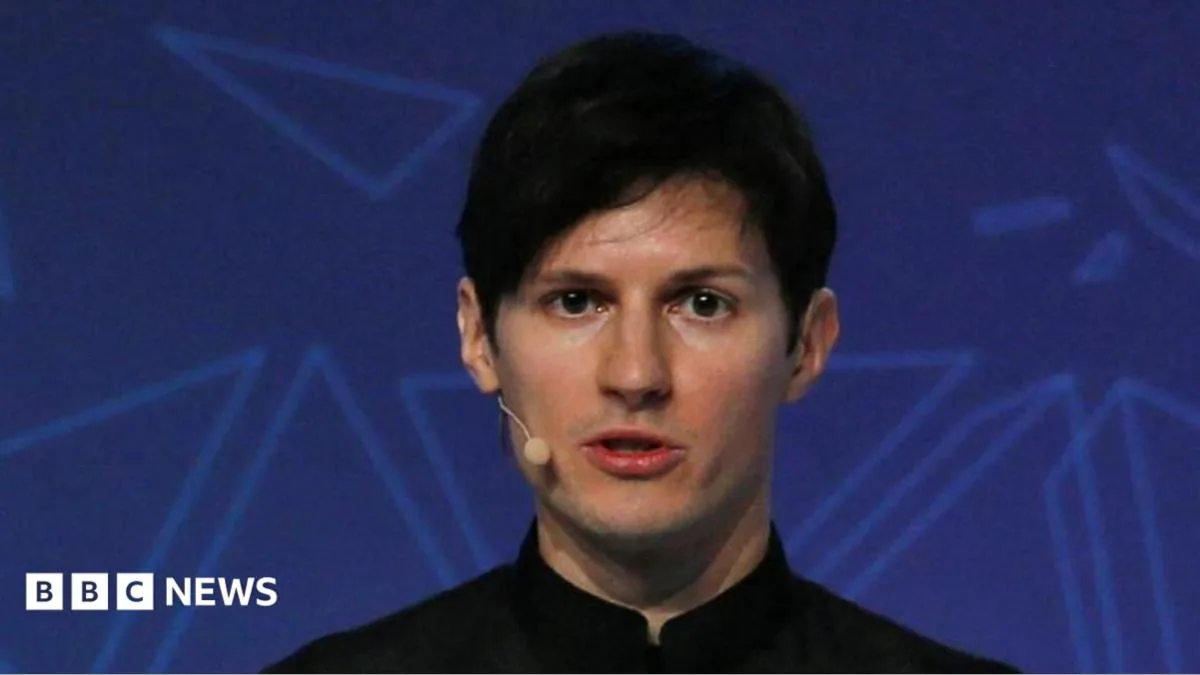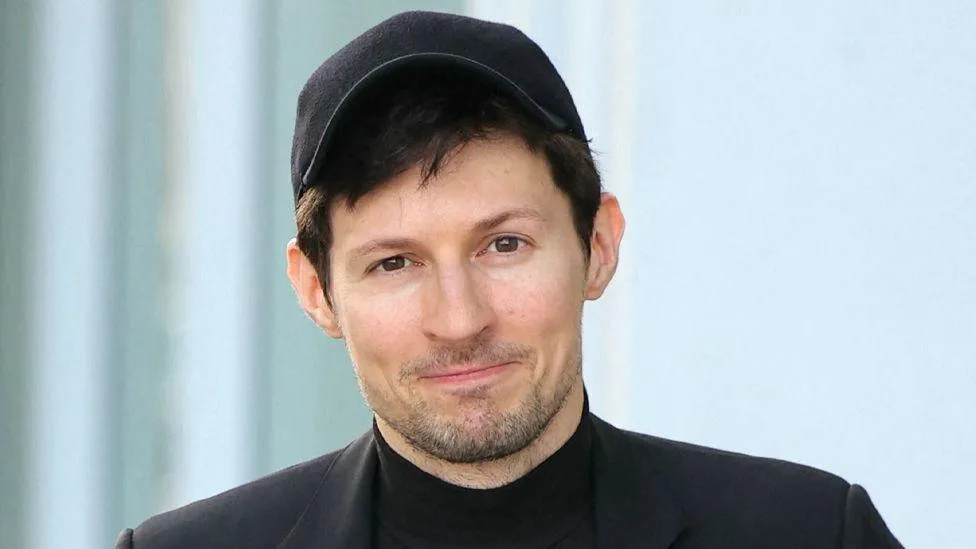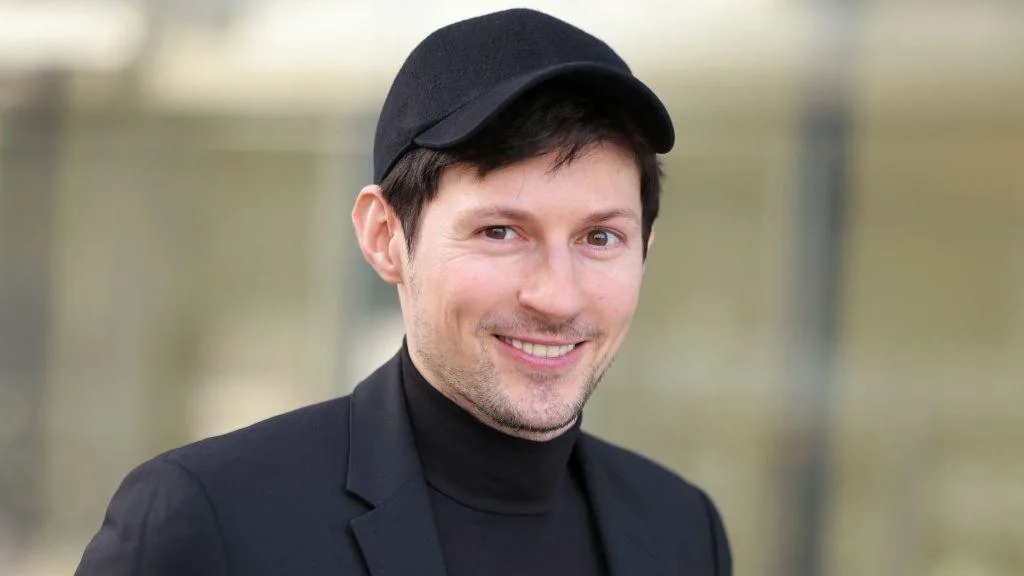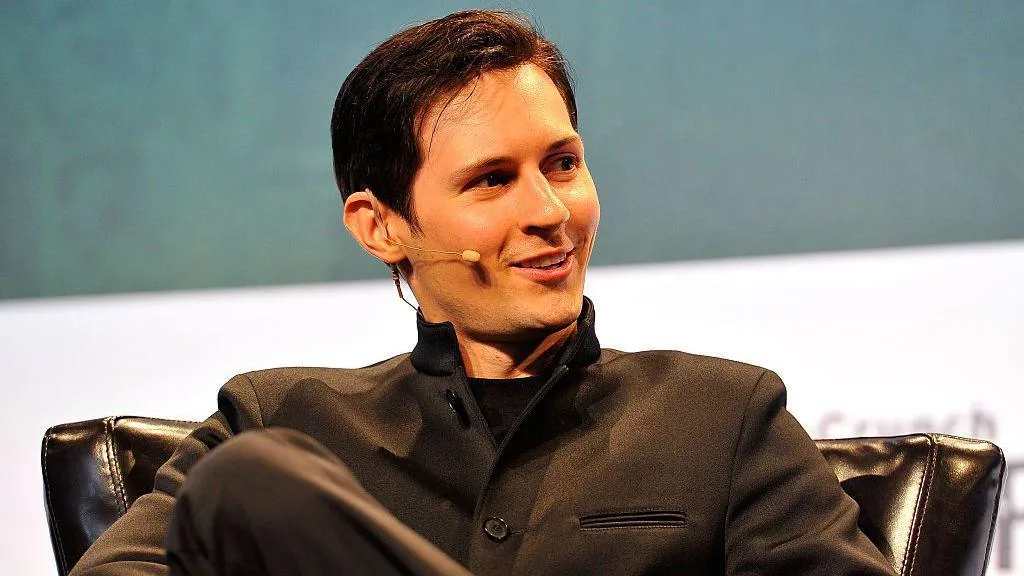
Russia's Federal Security Service (FSB) charged Telegram founder Pavel Durov with facilitating terrorism linked to the platform’s use by Ukrainian security services to recruit Russians for sabotage and terror acts on July 29, 2026 [1, 2, 3, 4, 5, 6, 7, 8]. The Russian authorities also issued an international arrest warrant for Durov on the same day [1, 2, 3, 4, 9, 5, 6, 7, 8].
The FSB accused Telegram's administration of failing to remove channels, chats, and bots used by Ukrainian intelligence and extremist groups to coordinate sabotage and terrorism inside Russia [1, 2, 3, 4, 5]. The agency claimed Telegram’s presence in conflict zones endangered Russian servicemen by allowing Ukrainian special services to collect information for military purposes [3, 4]. Since July 2025, Russia has detained 46 Telegram users, aged 12 to 22, allegedly recruited through a Telegram dating chatbot to carry out sabotage and terrorism within Russia [4].
Durov, 41, currently lives in France and holds French and United Arab Emirates passports [1, 3, 6, 7, 8]. He founded VKontakte, Russia's Facebook equivalent, before launching Telegram after selling his stake in VK [2, 5, 6, 7, 8]. Russian efforts to restrict Telegram included blocking its voice and video calls in August 2025 and promoting a state-backed alternative called MAX messenger [1, 3, 5, 10]. Durov described MAX messenger as a tool for "surveillance and political censorship" and mocked Russian internet censorship, saying, "Russian officials clearly don’t understand who has the right to prohibit whom from going online" [10]. He added he was banned from posting information online in Russia by law after being blacklisted on July 31, 2026, as a "terrorist and extremist" for refusing to comply with Moscow’s monitoring and censorship demands [10, 11].
Durov is also facing investigations in France over allegations that Telegram failed to curb illegal content and cooperate with authorities; he denies any wrongdoing [2, 3, 5, 6, 10]. Telegram has faced similar scrutiny in Norway and Australia related to illegal content and national security concerns [10, 11].
Telegram’s official X account responded to the charges by posting an image of Durov holding up his middle finger [1].
Russia continues to push users toward the MAX messenger, while Telegram remains restricted. The case marks a significant escalation in tensions between the Russian state and the encrypted messaging app founded outside the country.
Durov's next legal challenges include ongoing investigations in France and potential extradition demands stemming from the international arrest warrant issued by Russia.