The Russian Defense Ministry announced on August 30 that it is preparing large-scale strikes on Ukraine’s energy infrastructure. The ministry said this action is a retaliation for what it described as ongoing Ukrainian attacks on Russian civilian infrastructure and energy complexes [1, 2, 3]. The ministry’s Telegram statement declared, “To respond to the Kyiv regime’s continued attacks on civilian infrastructure and Russian oil and energy facilities, the Russian military has begun preparing large-scale strikes on Ukraine's energy sector” [1].
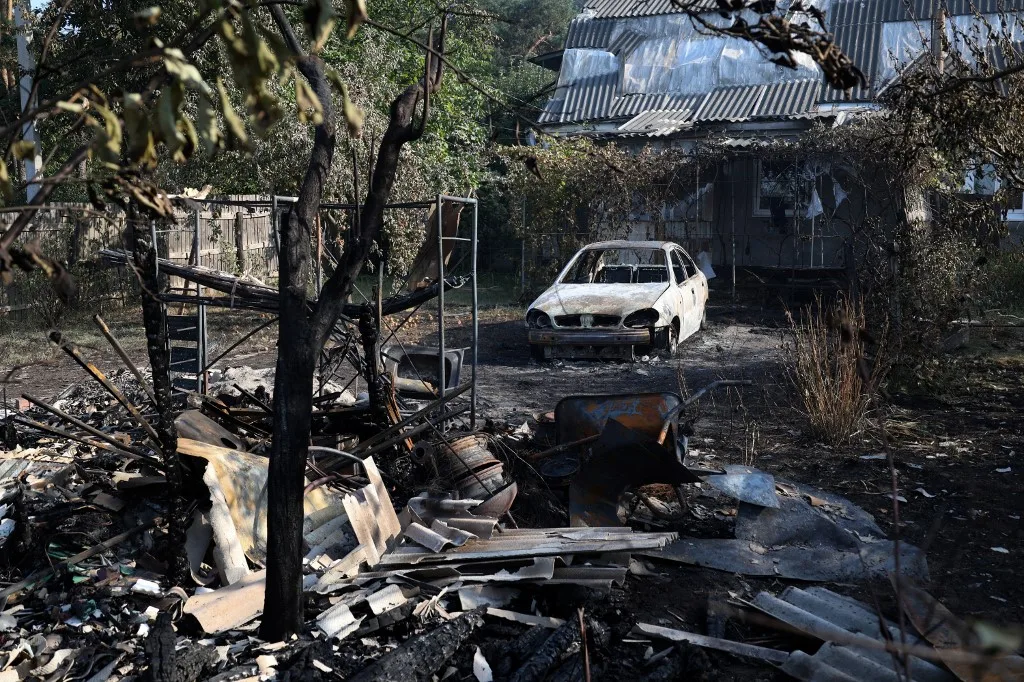
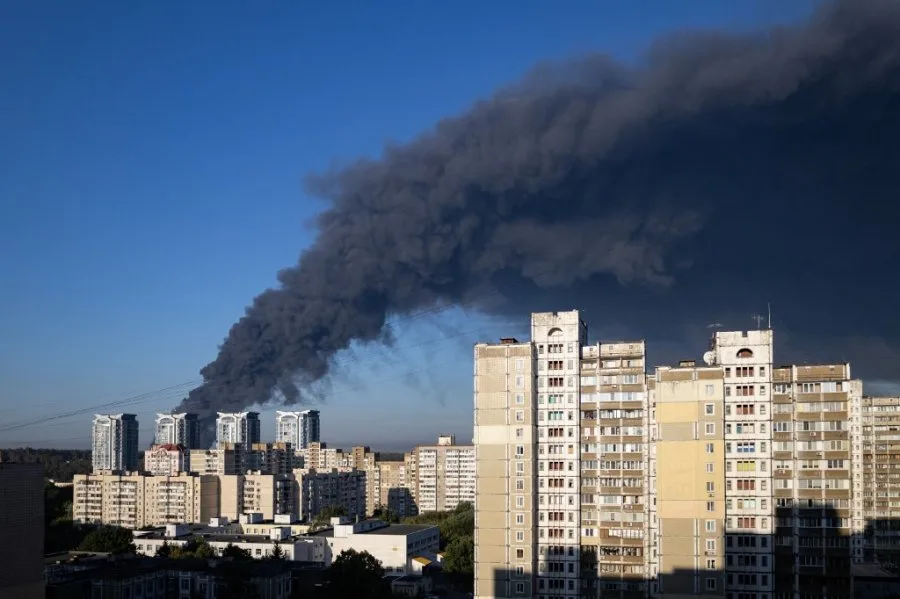
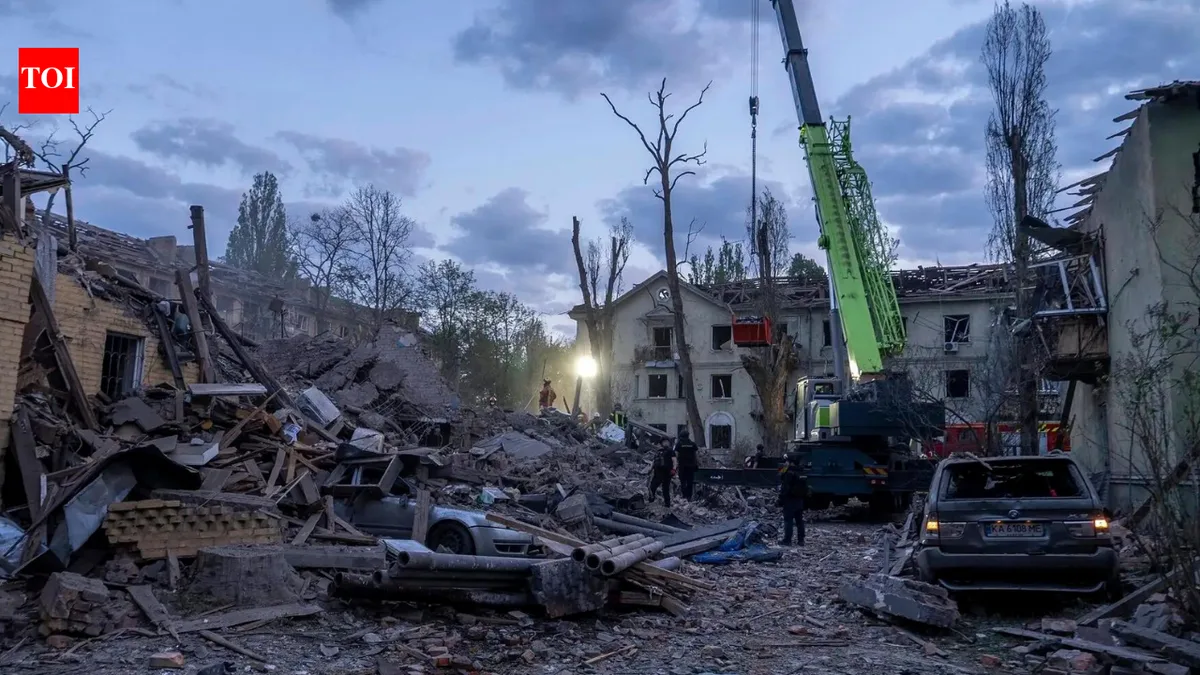
This announcement follows a deadly Russian missile strike on August 29 against a Ukrainian ammunition depot near Kyiv that caused a massive explosion. The blast killed at least 38 people, according to Ukrainian President Volodymyr Zelenskyy, who later updated the death toll [1, 2, 3]. Zelenskyy criticized the storage of weapons close to populated areas, saying, “Military arms must never be stored near residential or other densely populated areas” [2]. Ukrainian officials have launched a criminal investigation into alleged negligence related to the depot’s location [1, 2].
In addition to the depot attack, Russian forces said they targeted a factory near Kyiv producing asbestos and cement, which they claimed stored explosives. They also attacked a drone and ammunition manufacturer [1, 3]. These military actions come amid a surge in Russian strikes hitting warehouses, commercial buildings, oil and port facilities, and ships across Ukraine, leading to rising civilian casualties [1, 3].
The Ukrainian Air Force reported that between August 28 and 29, Russian forces launched at least two missiles and 267 drones against Ukrainian targets, illustrating the scale of ongoing hostilities [1]. Ukraine also carried out a drone strike on a Russian refinery in northwest Russia, reportedly causing a fire [1, 3].
Russia’s missile attacks on Ukraine’s energy infrastructure during the winter of 2025 resulted in severe damage, causing millions of Ukrainians to suffer from cold and power outages [1, 3]. The renewed threat of large-scale assaults comes as diplomatic efforts led by the United States to end the conflict have stalled. Russia's demands for broad territorial and political concessions have been rejected by Ukraine, prolonging the war — the deadliest in Europe since World War II [1].
The Russian Defense Ministry’s August 30 announcement signals an intensification of the conflict, with Ukrainian officials preparing for potential widespread damage to their energy facilities in the coming days [1, 2, 3].