On May 29, 2026, a suspected Russian drone crashed into a residential building in Romania, a NATO member state, triggering diplomatic tension and security concerns across Europe [1, 2].
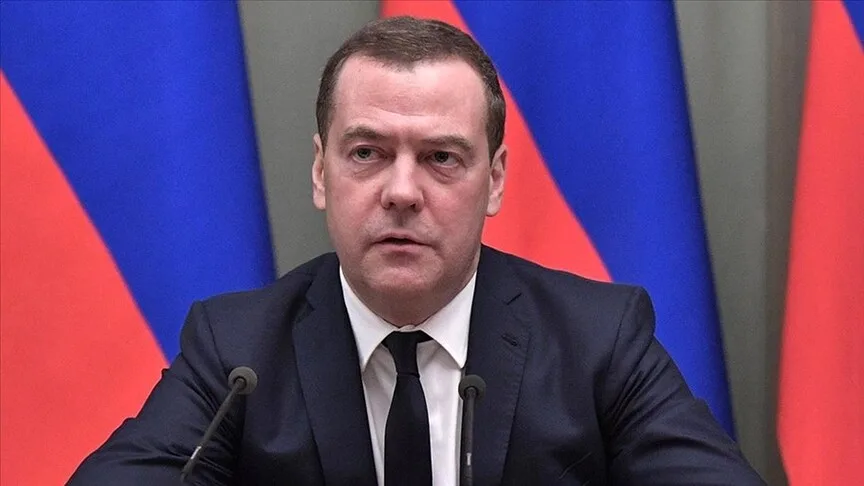
Russian Security Council Deputy Chairman Dmitry Medvedev warned European leaders that such drone incidents will continue. "Let them get ready: this will continue to happen. There is a war going on! And the citizens of EU states, as the population of the belligerent countries, will not be able to sleep peacefully," he said [1].
Medvedev stated it remains unconfirmed which country owned the drone. Yet he accused European nations of supplying drones, parts, weapons, and intelligence used in attacks on Russia. "European drones, spare parts for them, other weapons, not to mention intelligence data, take part in attacks on our country every day. As a result, residential buildings are damaged and our peaceful citizens are killed," he charged [2].
He further asserted that European countries are direct participants in the war against Russia by supporting Ukraine, adding, "All EU countries need to shut up on this matter. European states are direct participants in the war against Russia, and no one is arguing about that anymore" [2]. Medvedev also cautioned that European locations involved in manufacturing drones for Ukraine face elevated risks of drone incidents [1, 2].
Russian President Vladimir Putin was briefed on the drone crash, according to Kremlin spokesman Dmitry Peskov and reports from TASS [1, 2]. In response, Romania closed its Russian consulate in Constanta, a move seen as retaliation for the drone incident [1].
NATO condemned the drone crash and vowed to defend all allied territory. NATO Secretary General Mark Rutte described Russia's behaviour as "a danger to us all," while EU Commission President Ursula von der Leyen said, "Russia’s war of aggression has crossed yet another line. We will keep increasing pressure on Russia" [1, 2].
Romania’s consulate closure followed shortly after the May 29 crash, marking an escalation in diplomatic measures tied to the incident [1].