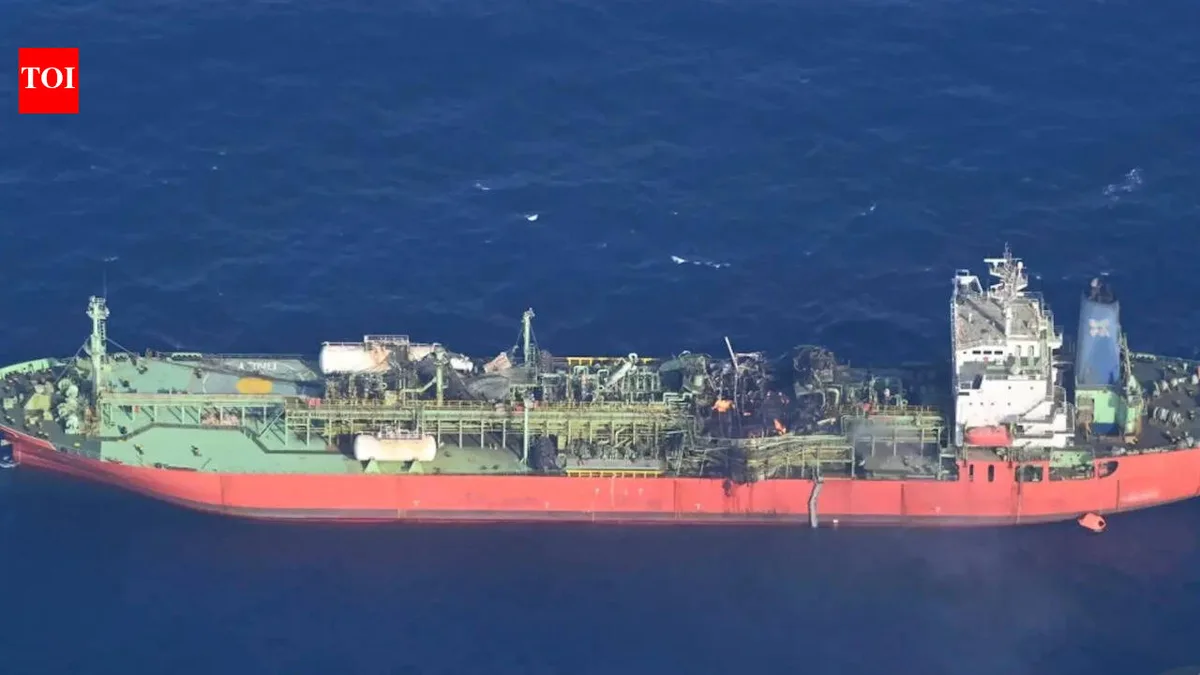
Armed assailants boarded and took control of the chemical tanker Asana about 65 nautical miles south of Yemen's Al Mukalla port in the Gulf of Aden on July 17, 2026, while the vessel was transiting eastbound [1, 2, 3, 4]. The tanker, which had no publicly disclosed flag, was heading toward the Somali port of Bosaso at the time [1, 2, 4].
A distress call was issued by the vessel around 06:20 GMT that day [1, 2]. Early reports noted one person seen near the bridge and the tanker moving slowly southeast, likely toward Somali waters [5, 4]. The vessel was not equipped with an armed security team when attacked [1, 2].
Somali pirates are suspected as the hijackers, rather than Yemen’s Iran-aligned Houthi militia, which has been active in the region [1, 2, 4]. The UK Maritime Trade Operations (UKMTO) issued a warning to vessels in the area, urging caution following the unauthorized boarding [1, 5, 3, 6]. UKMTO said, "A vessel was boarded by unauthorised personnel while transiting east in the Gulf of Aden, 65 nautical miles south of Yemen's Al Mukalla port" [1].
Naval forces, including a South Korean warship, Yemeni Coast Guard patrol boats, and surveillance aircraft, were dispatched or deployed toward the location to monitor the situation and respond as needed [1, 2, 4]. British maritime risk group Vanguard noted that "details regarding the number of assailants, the circumstances of the boarding, and the status of the vessel and crew remain unclear" [2].
The hijacking is part of a resurgence in Somali piracy incidents since early 2026 after nearly a decade of relative quiet [5]. The event took place amid heightened regional tensions, including renewed confrontations between Iran and the US and other maritime incidents near Oman [3, 6].
Reports differ slightly on some details: some sources report the vessel's name as "Astana" and location as 26 nautical miles off the Hadramout coast, but the majority identify the vessel as "Asana" and location about 65 nautical miles south of Al Mukalla [1, 5, 2, 3, 6, 4].
The situation remains fluid as naval units continue to monitor Asana’s movements and coordinate responses in the Gulf of Aden.