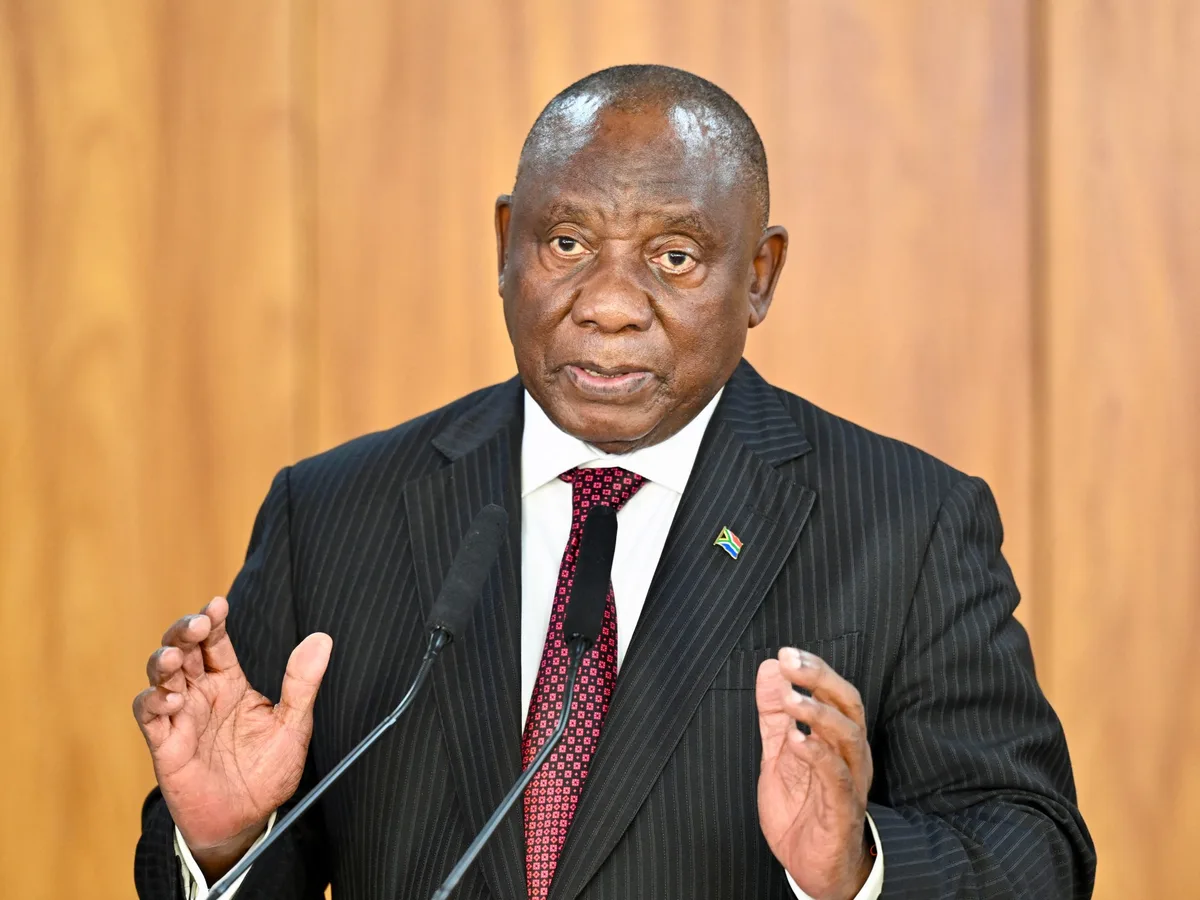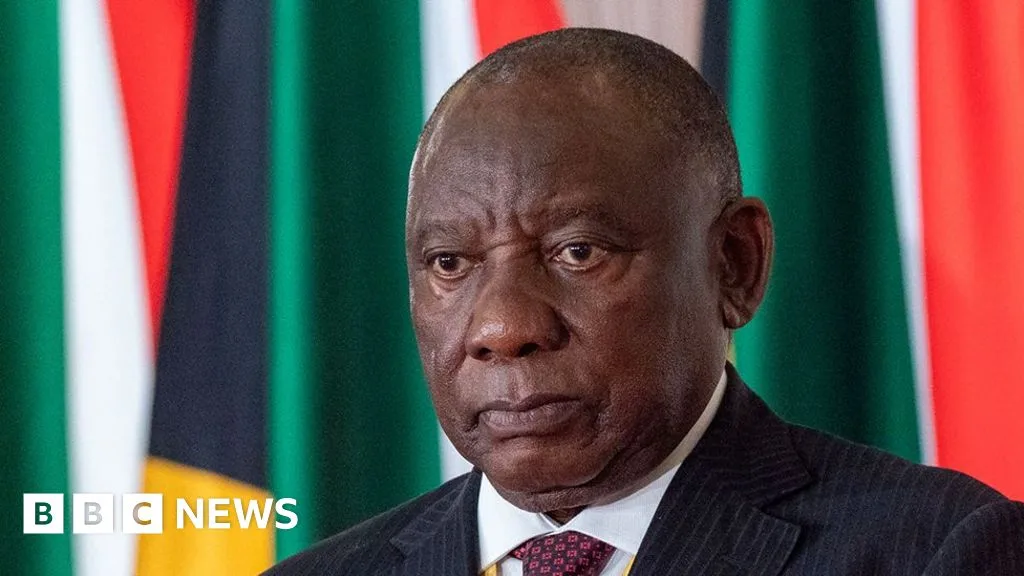
South African President Cyril Ramaphosa has launched a legal challenge against an independent panel report that accused him of serious misconduct related to the theft of cash from his private farm [1, 2]. The scandal began in 2020 when around $580,000 was allegedly stolen from Ramaphosa’s Phala Phala farm in Limpopo province [1, 2].
The independent panel concluded in 2022 that Ramaphosa may have violated his oath of office and has a "case to answer" [1]. The report triggered parliamentary action, and a 31-member impeachment committee was formed in late May 2026 to consider whether to proceed with impeachment proceedings [2]. The committee includes 9 members from Ramaphosa’s African National Congress (ANC) party, which lost its parliamentary majority in the 2024 general election but still holds roughly 40% of the National Assembly seats through a coalition [1, 2].
Ramaphosa filed his challenge at the High Court in Cape Town on May 26, arguing the panel misconstrued its mandate and misinterpreted the charges [1]. He said in court, "I do not make this application lightly" [1]. South African law requires foreign currency to be deposited with authorized dealers within 30 days. Ramaphosa maintains the cash was from a legitimate buffalo sale [1].
Parliament has decided to move forward with the impeachment inquiry despite the president’s court action [2]. George Michalakis, parliamentary leader of the opposition Democratic Alliance (DA), said, "The good thing is that Parliament seems to be moving forward." He added that the DA strongly believes the impeachment committee chairperson should not come from the ANC [2].
The next step will see the 31-member committee continue its inquiry into the Farmgate scandal, deliberating on whether the evidence warrants impeachment proceedings against Ramaphosa.