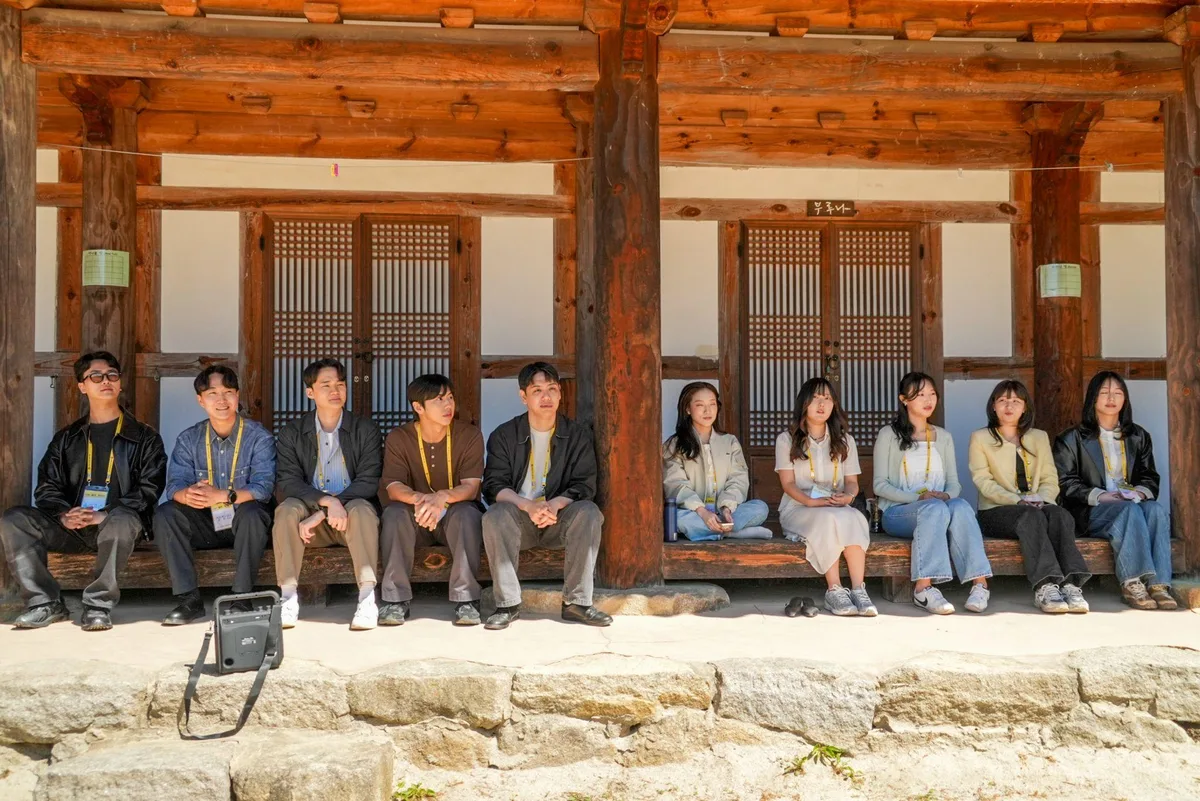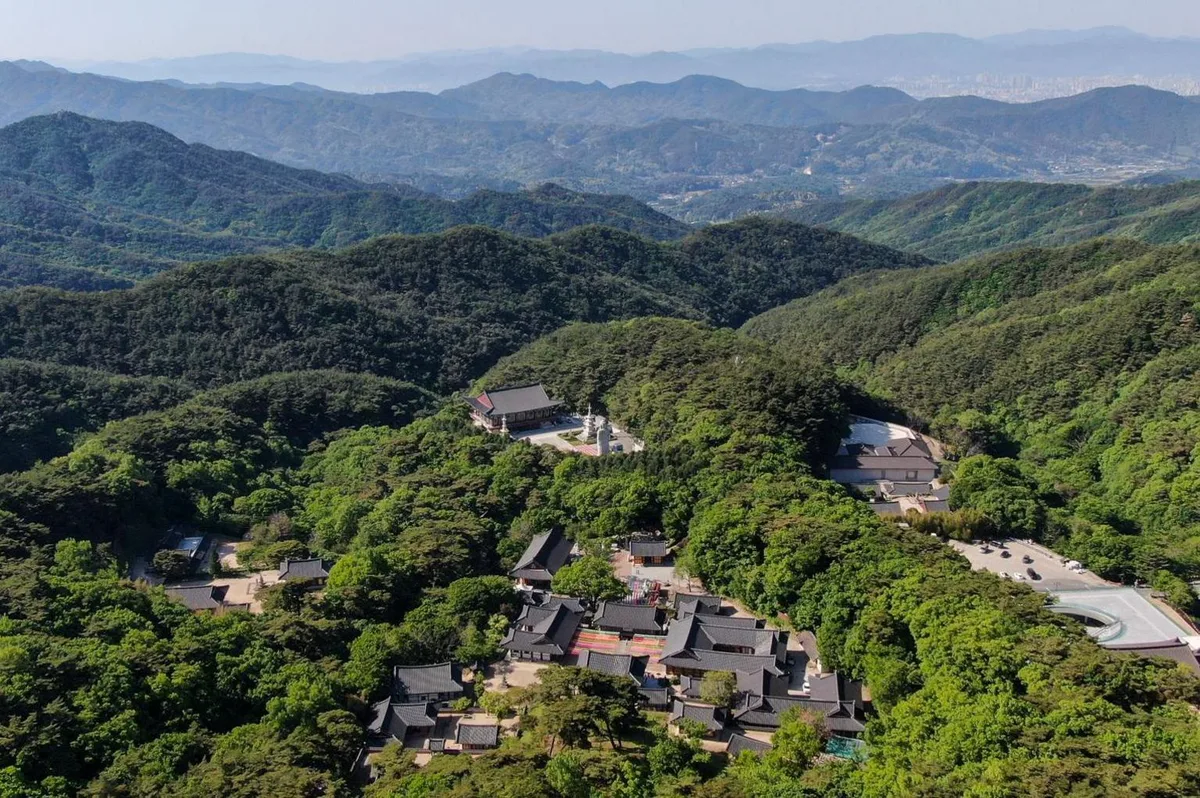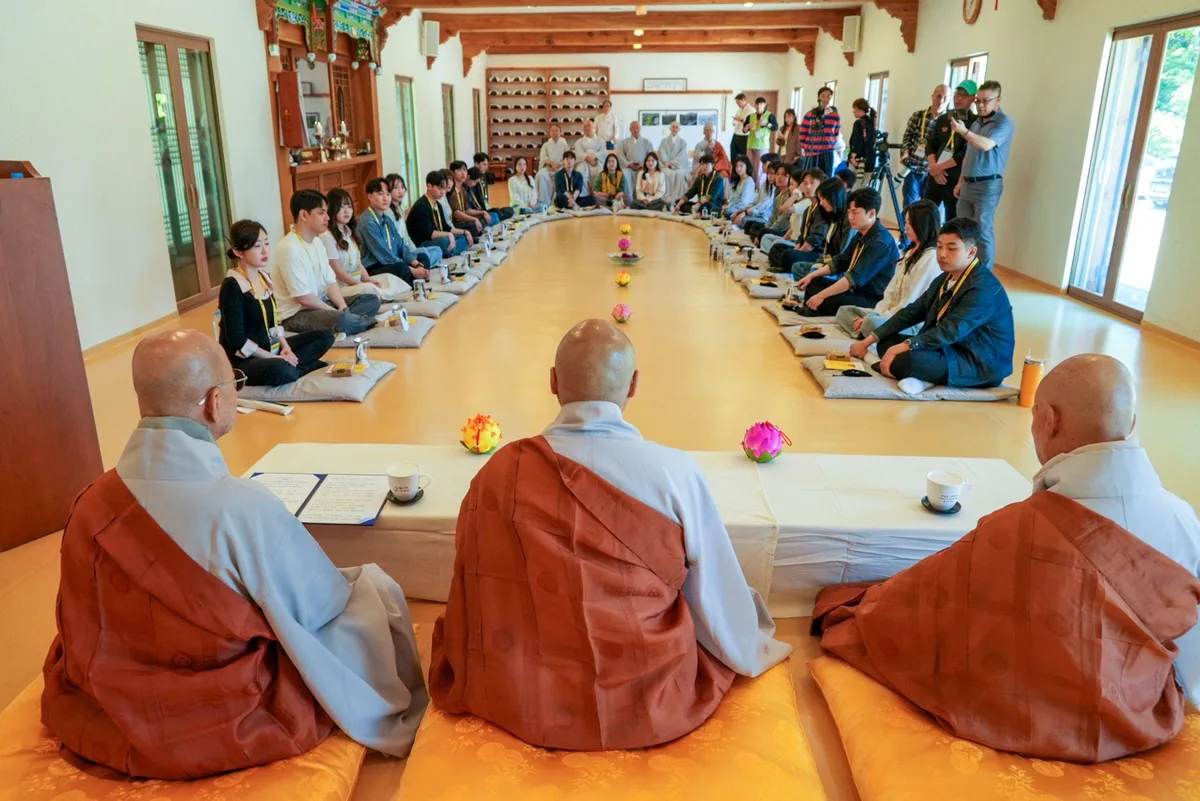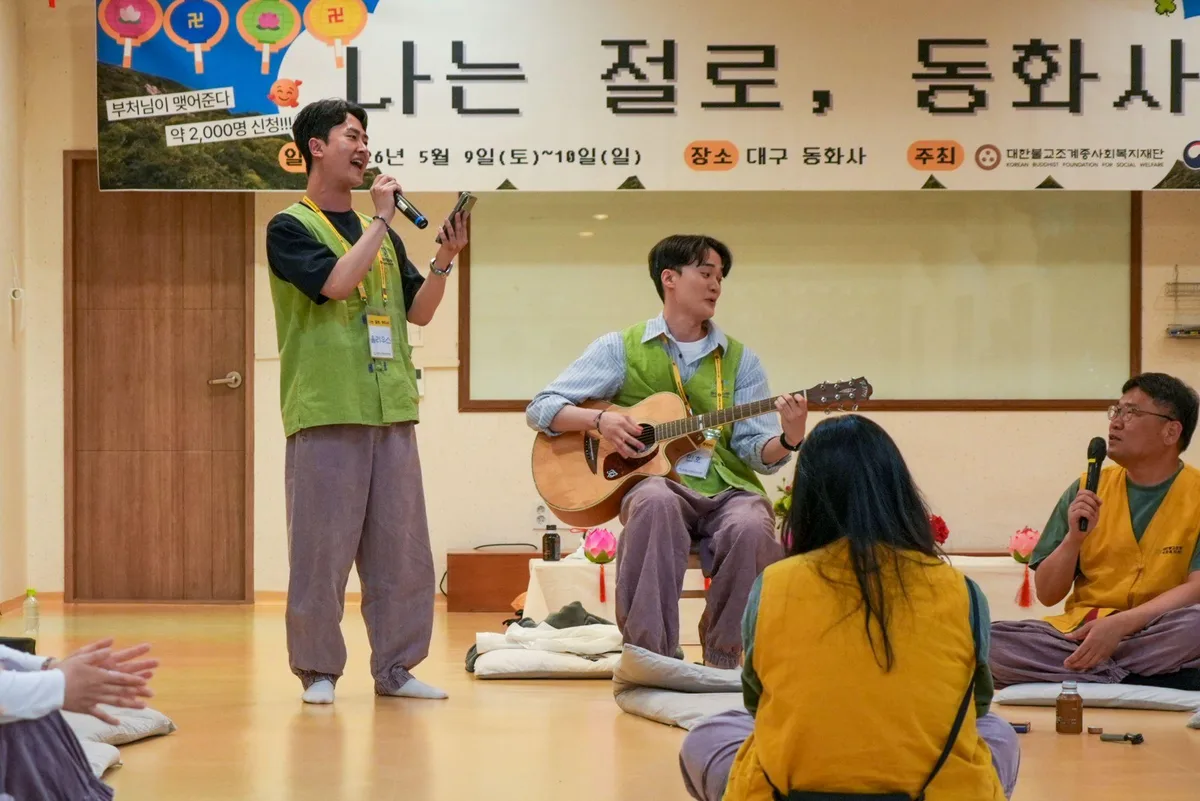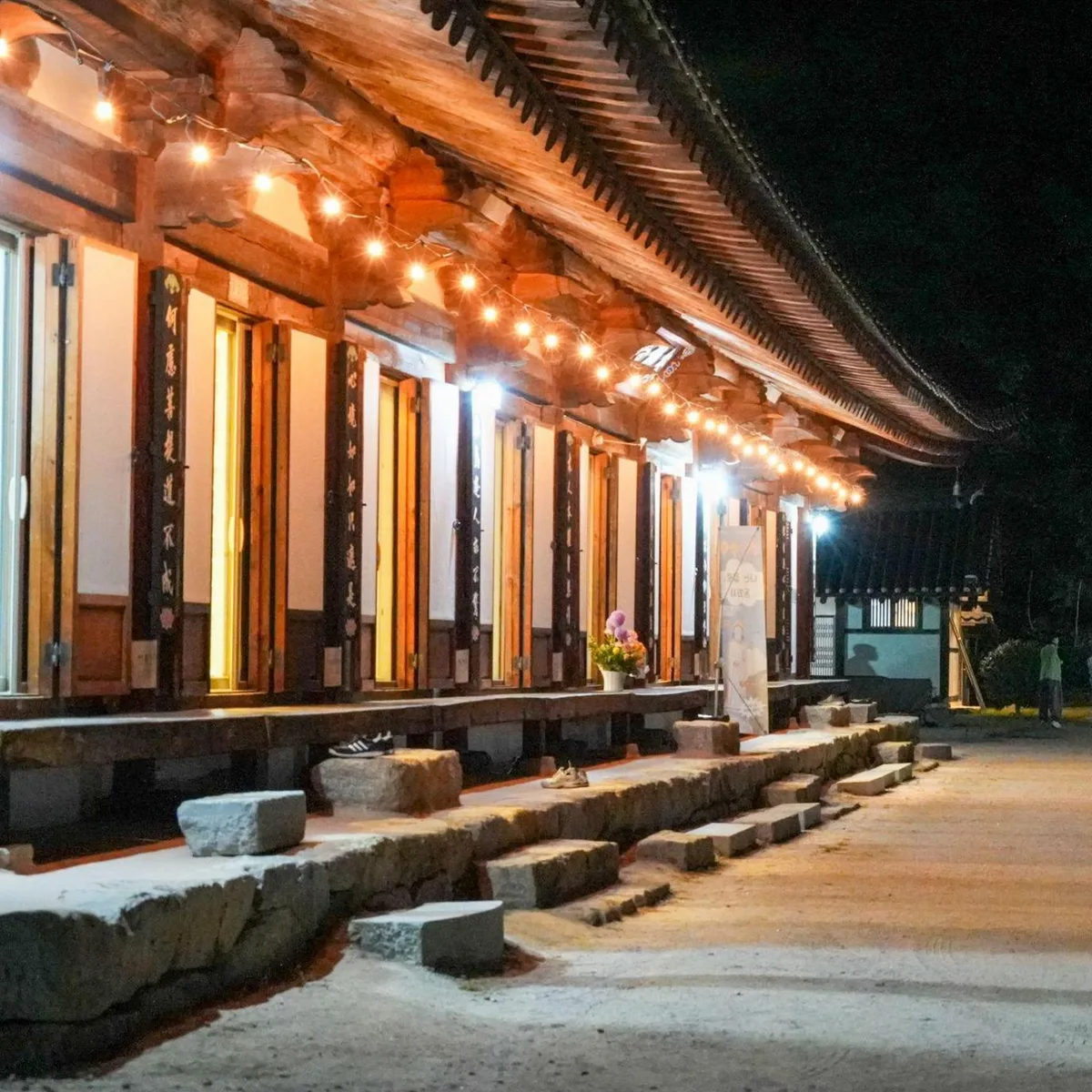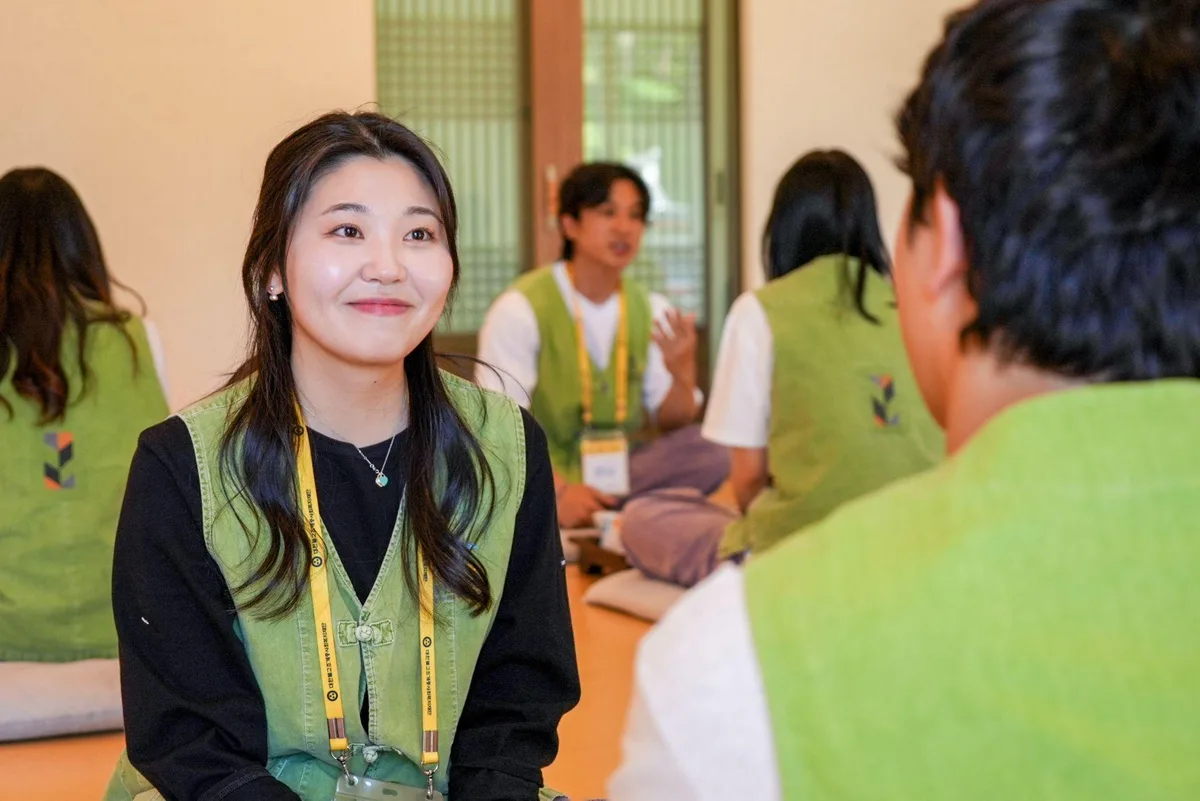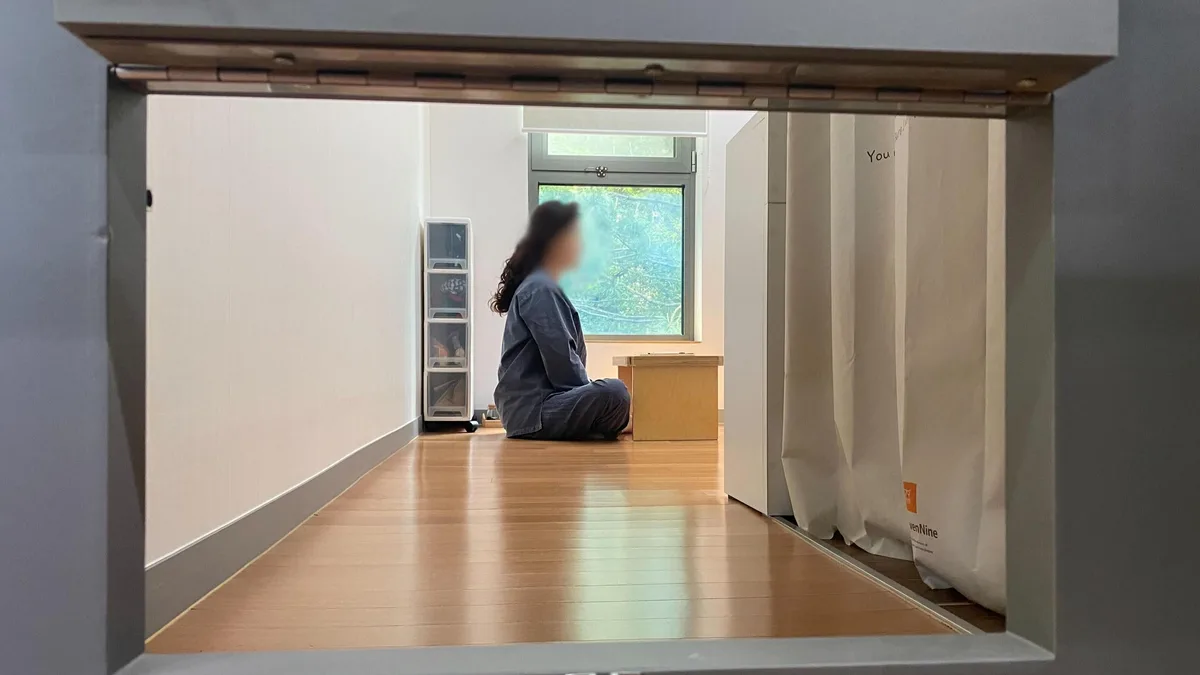
Donghwasa, an 8th-century Buddhist temple on Palgongsan mountain in South Korea, hosted a 30-hour dating retreat involving 12 men and 12 women aiming to tackle the country’s low birth rate [1, 2, 3, 4]. The event took place in early August 2026 and gathered 24 participants selected from over 1,580 applicants, chosen for their seriousness about marriage and having children regardless of faith [2, 3, 4].
South Korea’s total fertility rate hit a record low of 0.72 in 2023, well below the replacement rate of 2.1 [2, 3, 4]. Government efforts to reverse this decline have included extended parental leave, cash bonuses for births, and subsidized housing for newlyweds [2, 3, 4]. Since the early 2000s, various matchmaking events have been held, but only in 2024 did the birth rate gently rebound to an estimated 1.0, up from 0.8 in 2025, though the causes remain unclear [3, 4].
The retreat featured activities such as first dates, speed dating, talent shows, giving plastic roses to preferred partners, and communal meals designed to break the ice and build connections [3, 4]. By the end, eight couples had successfully paired off [4]. One participant, Kim Ah-kyung, said she struggled to meet men due to a busy work-home routine and lack of social opportunities, calling one-on-one activities limiting [3].
Monk Yoo Cheol-ju, who hosted the retreat, connected its mission to historical examples when Buddhist monks defended Korea. He called the low birth rate a "national crisis" and said, "Buddhists have always been the first to take action when our country is in trouble" [2, 3, 4]. The event concluded with a senior monk's speech urging participants to help continue the population, followed by singing the Korean national anthem [3, 4].
South Korean authorities have spent approximately 2,500 billion KRW since 2006 on fertility-related policies [3, 4]. The retreat's success in matching 8 couples is an immediate outcome as the country seeks solutions to its demographic challenges.