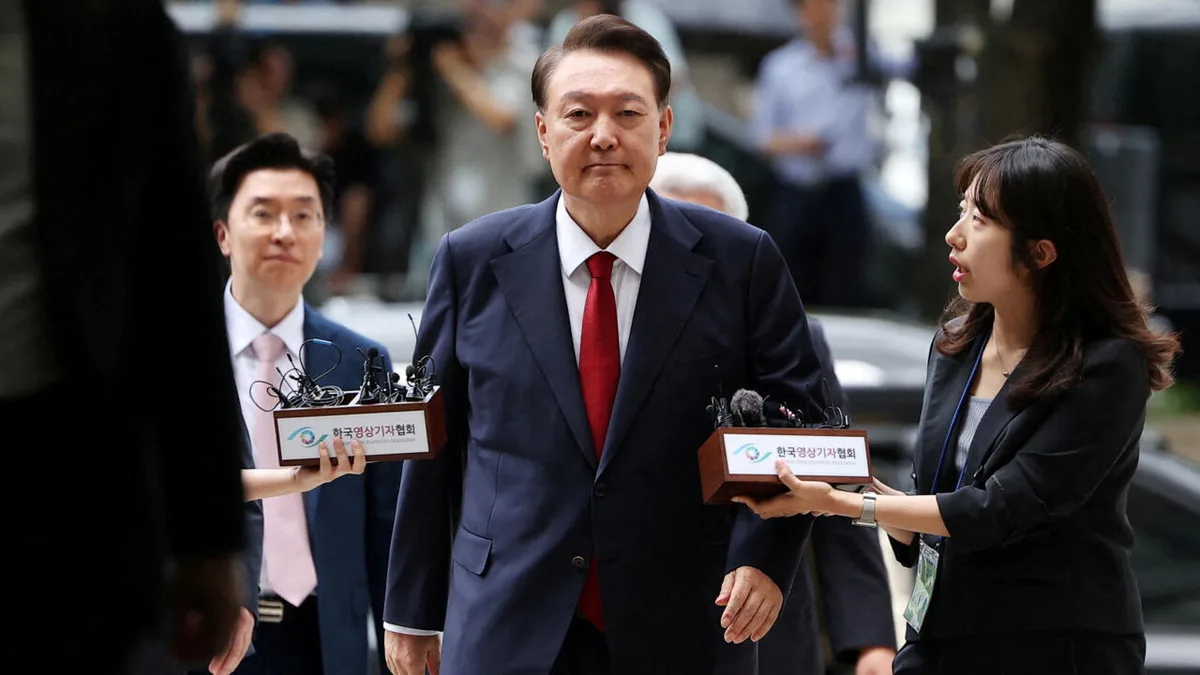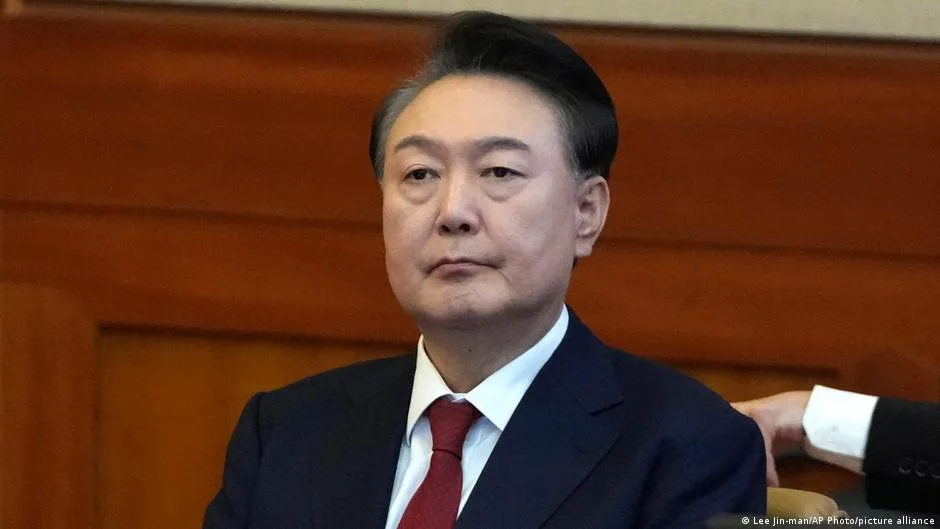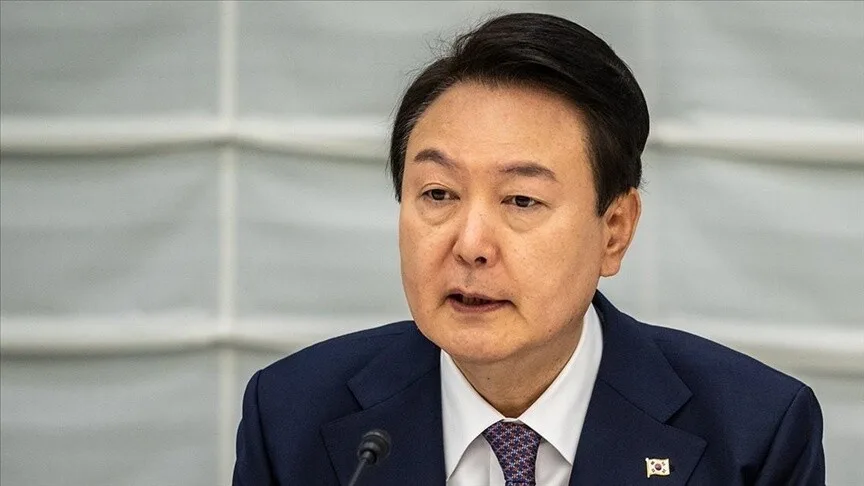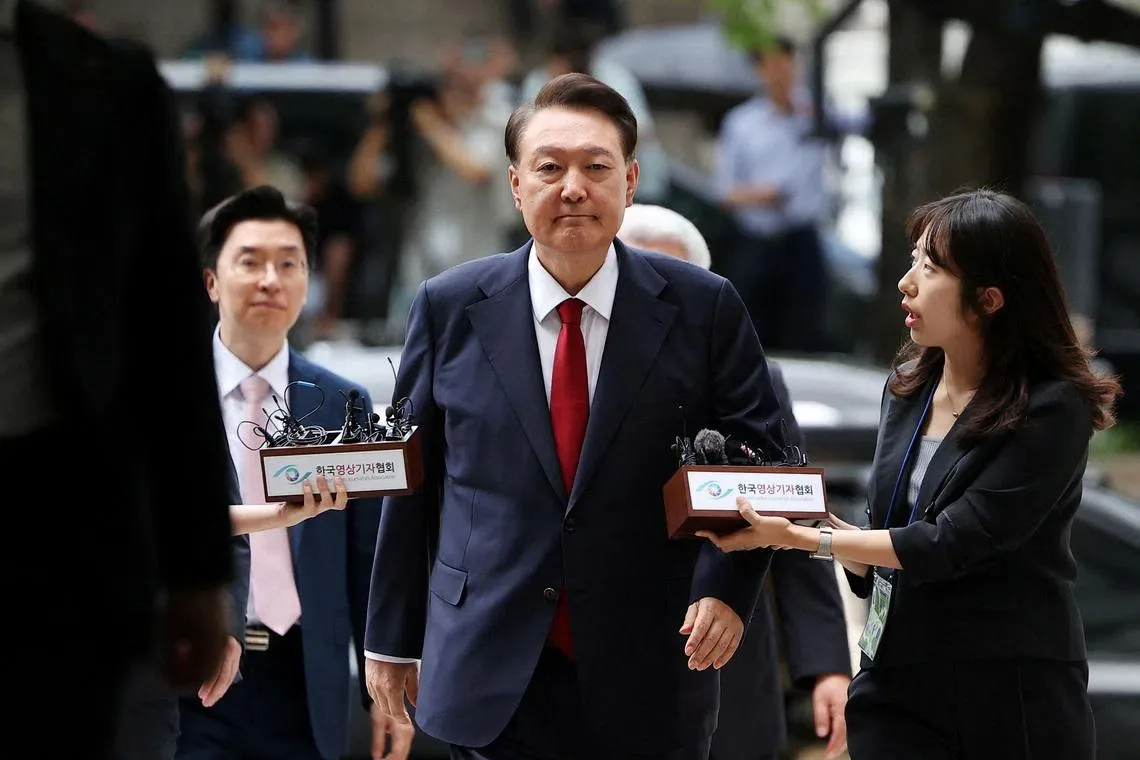
South Korea’s Supreme Court on July 9, 2026, upheld the seven-year prison sentence given to former President Yoon Suk Yeol for obstructing authorities’ arrest efforts linked to his brief martial law declaration in December 2024 [1, 2, 3, 4]. The top court dismissed all appeals, confirming there was no legal misinterpretation in the lower courts’ rulings [2, 3].
Yoon faced multiple charges including fabricating documents, improperly imposing martial law without a formal cabinet meeting, spreading false information to foreign media, and directing presidential security agents to block his arrest [1, 2, 3, 4]. Parliament had quickly overturned the December 2024 martial law after Yoon declared it during a political crisis and mass protests, followed by his impeachment [2, 3]. He was accused of bypassing proper cabinet deliberations by convening only select ministers before imposing martial law [3].
In January 2026, a lower court sentenced Yoon to five years in prison for abuse of power and blocking his arrest, among other charges [1, 2, 3, 4]. The Seoul High Court increased the sentence to seven years in April 2026 and added charges related to spreading false information [1, 2, 3, 4]. Prosecutors had sought a longer 10-year term [1, 3].
Yoon has been in custody since July 2025 while facing separate trials, including a life sentence for masterminding an insurrection amid the martial law declaration and 30 years for sending drones into North Korea [1, 2, 3, 4]. On the Supreme Court decision, a judge said, "All appeals are dismissed" and affirmed the lower courts' legal findings contained no errors [2, 3].
Yoon’s legal team criticized the ruling as reached "without sufficient deliberation" and said they would challenge it through constitutional review procedures and complaints [1, 2, 3]. The Supreme Court’s final verdict concludes the direct appeal process on the seven-year sentence stemming from the martial law and obstruction case.