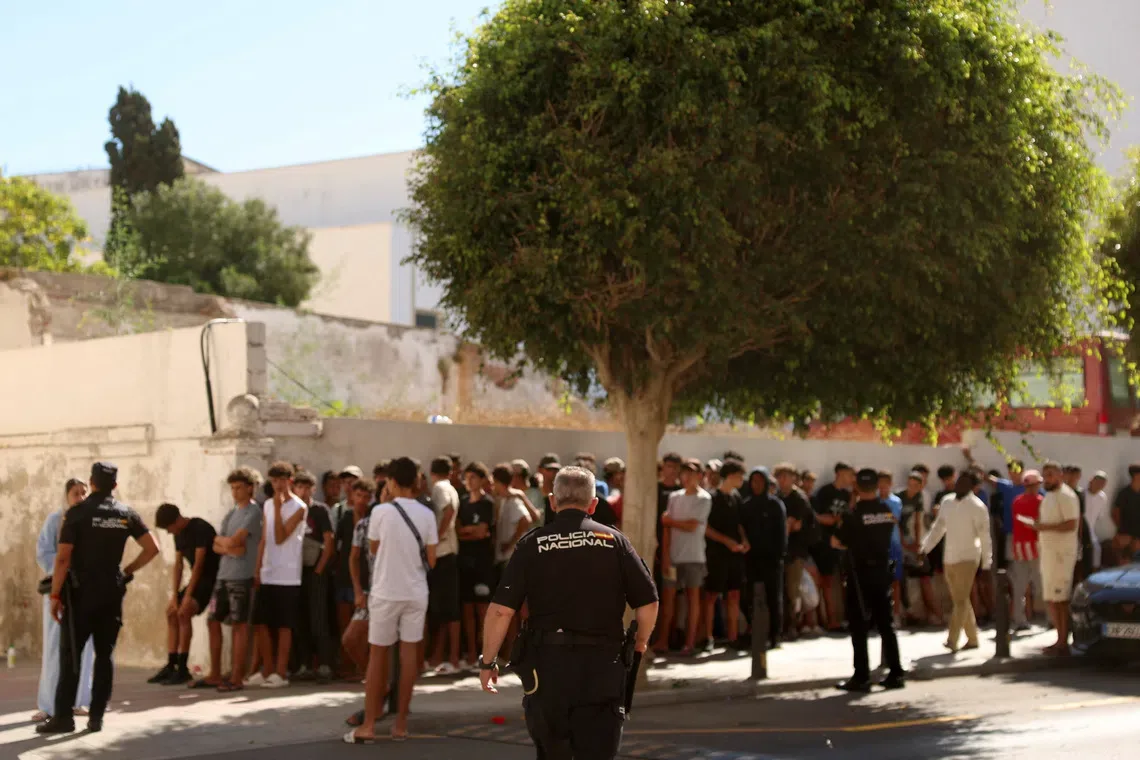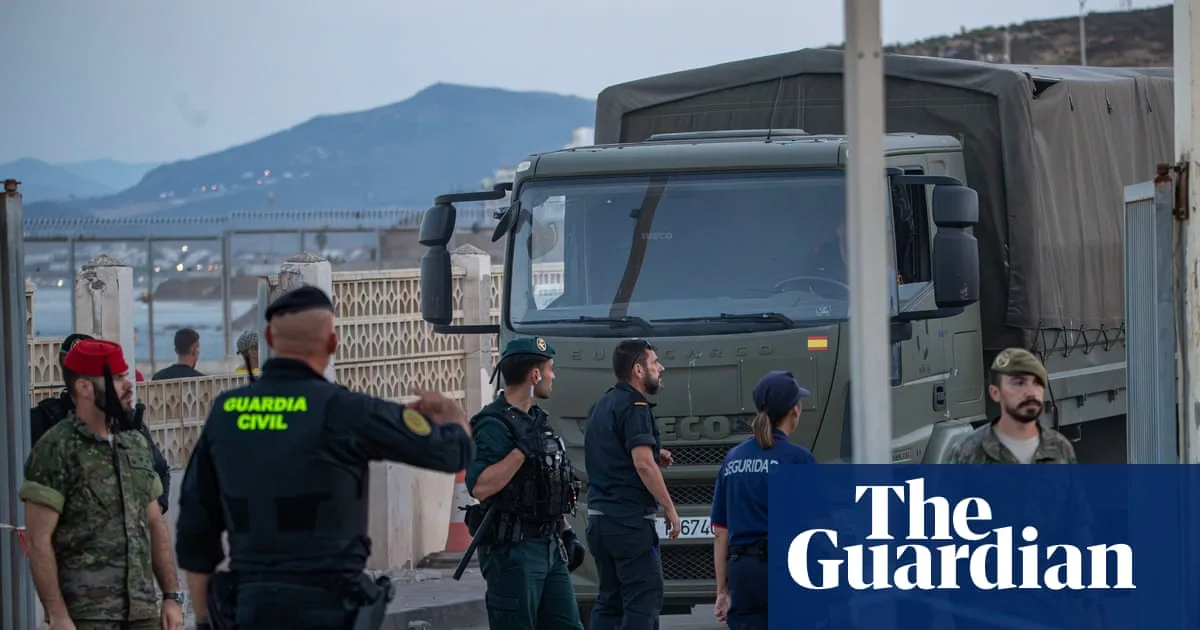
Spain began implementing border checks on travelers from Italy at airports and ports starting at midnight on August 8. The controls will last until September 7 and involve random identity checks verifying passports, nationality, and visas, officials said [1, 2, 3, 4].
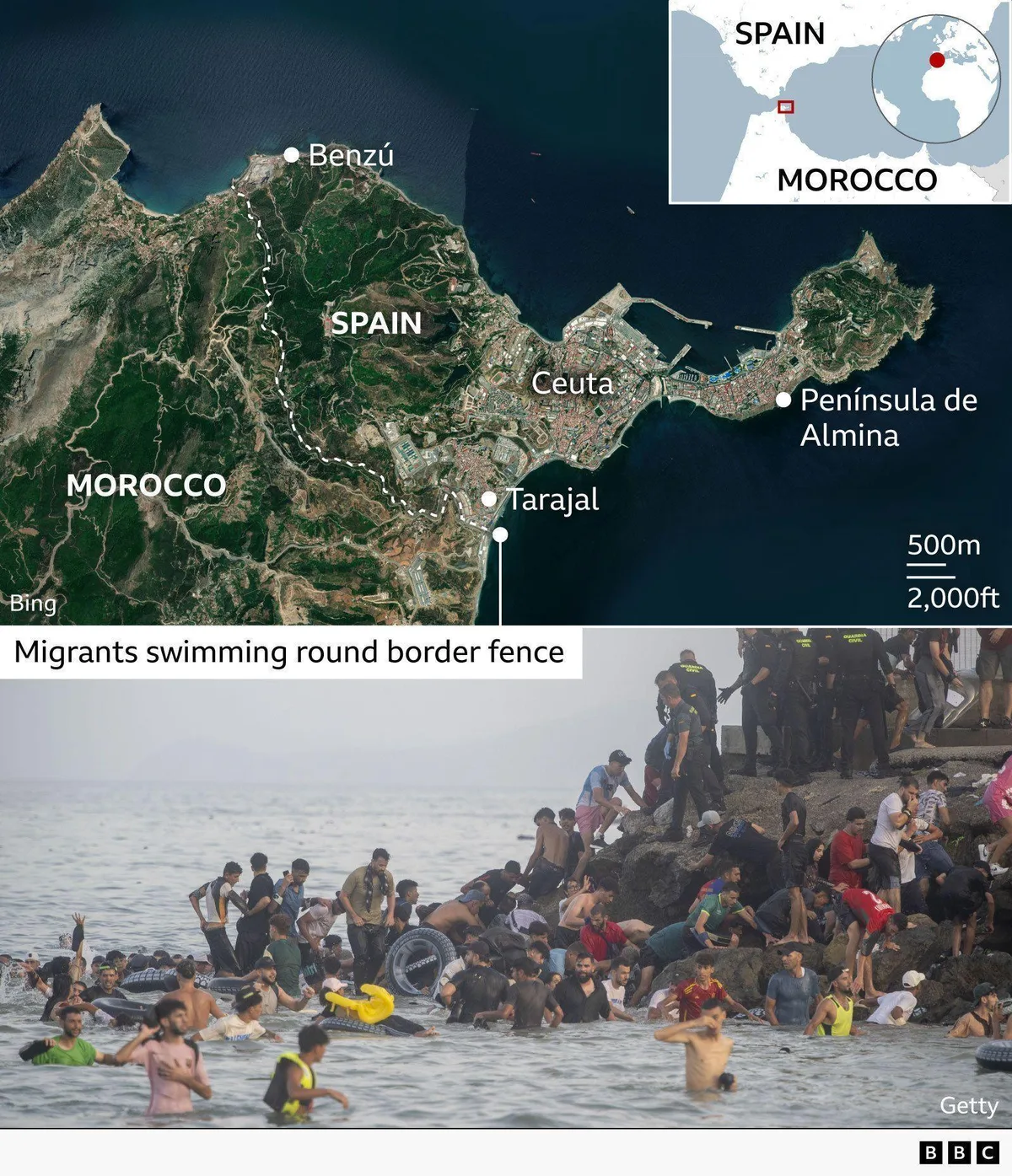
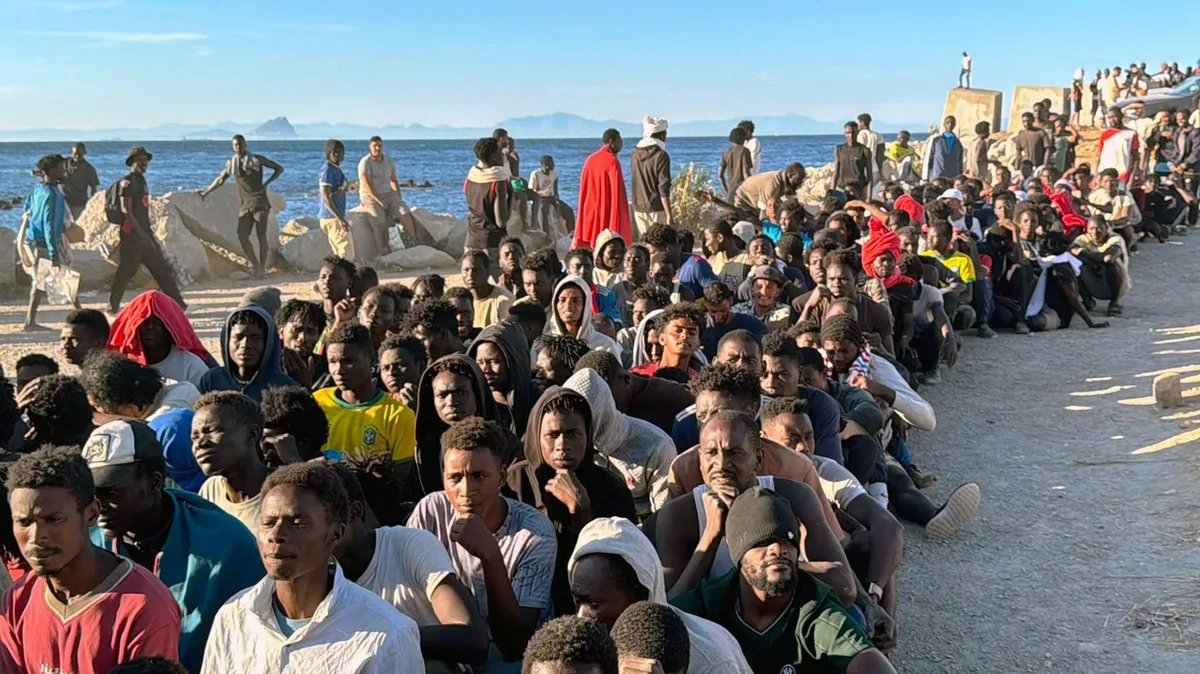
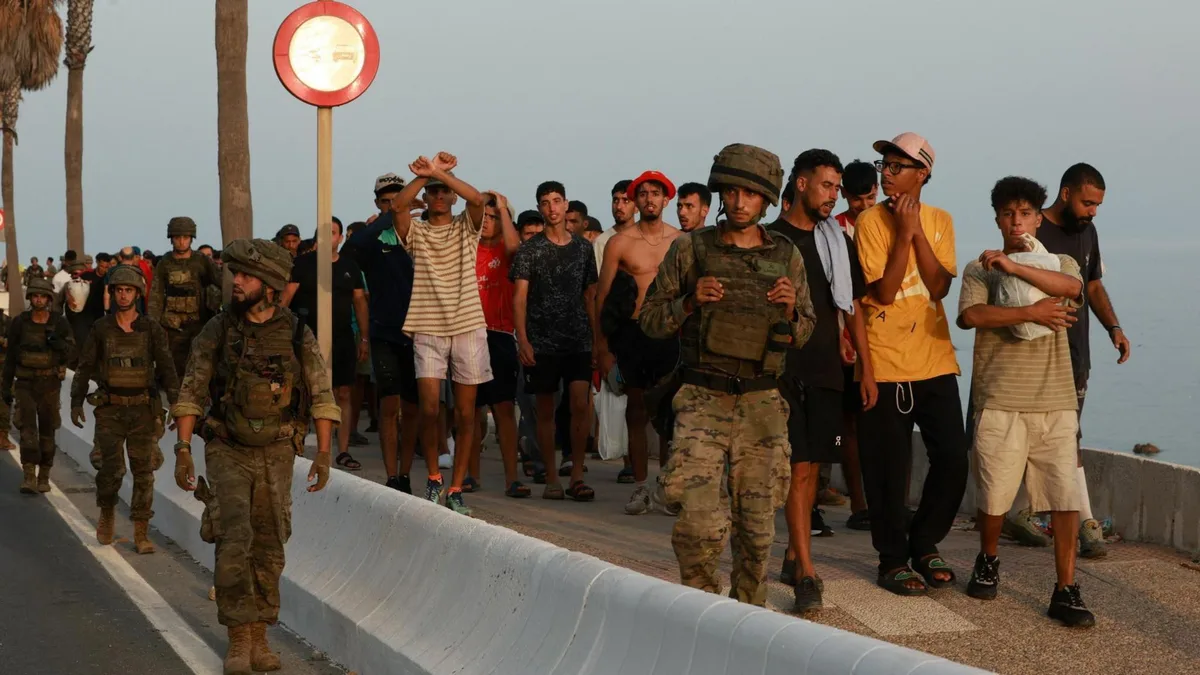
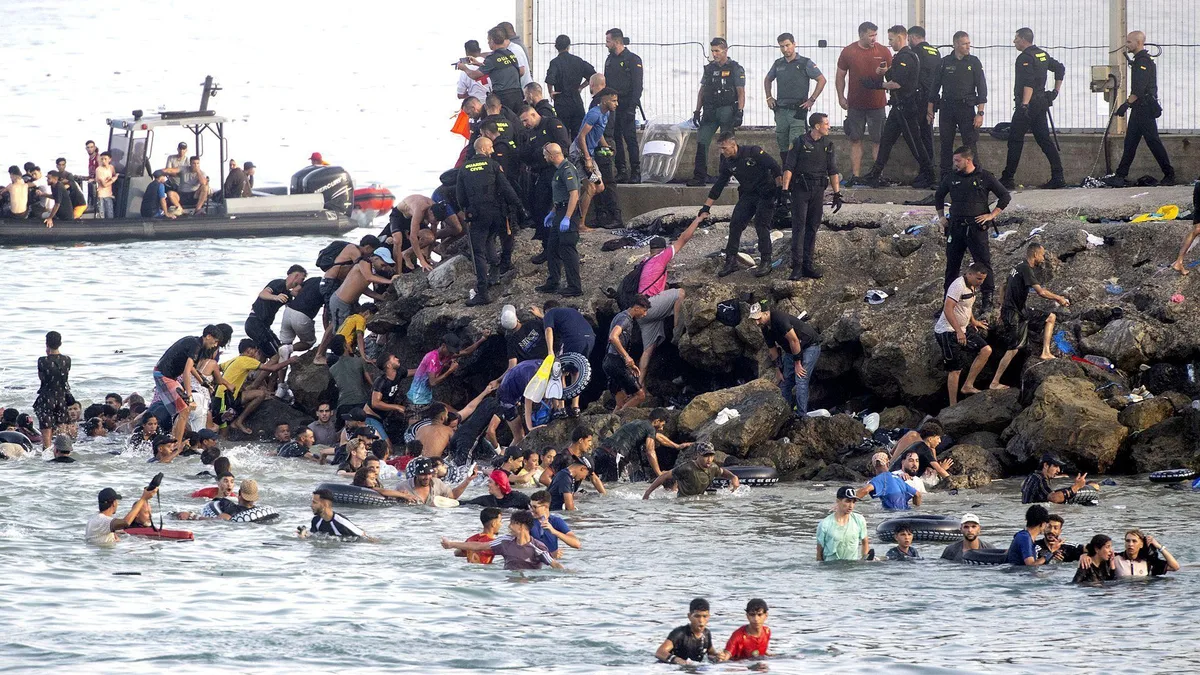
The new Spanish measures came after Italy reinstated temporary border controls on arrivals from Spain on August 1, citing concerns over security and irregular migration flows following a surge of migrants into the Spanish enclave of Ceuta from Morocco at the end of July [5, 1, 2, 6, 7, 3, 8]. About 72,000 to 78,000 migrants crossed into Ceuta in a mass rush on July 30-31, causing a crisis that saw at least 100 migrants die during the crossing [5, 8, 9].
Spain criticized Italy's decision to impose controls as unjustified, discriminatory against Spanish citizens, and damaging to European unity. Spanish Foreign Minister José Manuel Albares called Italy's actions "an attack on the dignity of the Spanish people" and said, "there is no reason whatsoever to introduce these measures... Secondary movements of migrants from Spain to Italy are practically zero" [5, 2, 7, 3, 9, 4].
Italy rejected Spain's demand to remove controls by August 9 and promised to maintain the restrictions until at least August 15. Italy's Foreign Minister Antonio Tajani defended the controls as necessary for national security and to prevent irregular migration, stating, "some order needs to be brought in: we’re not against Spain, but we have a duty to protect our borders." He described Spain's reciprocal reaction as "incomprehensible and completely unacceptable" [1, 2, 6, 7, 3, 8, 9, 4].
While Spain and Italy do not share a land border, and Ceuta lies outside the Schengen zone, Spain said it would adopt "proportionate measures to protect the interests and dignity of its citizens" if Italy failed to lift its controls by August 9 [5, 2, 7, 3, 9]. The Spanish government reported that the vast majority of migrants who crossed into Ceuta have since returned to Morocco [5, 7, 3, 9, 4].
The dispute reflects contrasting views on the necessity and legality of border controls within the European Union. Italy cites higher irregular migrant arrivals in recent years and security risks to justify its stance, while Spain labels the measures discriminatory and symbolic due to the geographic context [7, 9, 4].
Spain’s border checks on Italian travelers continue through September 7. Italy intends to keep its controls on travelers from Spain in place until at least August 15 [1, 2, 7, 3, 4].