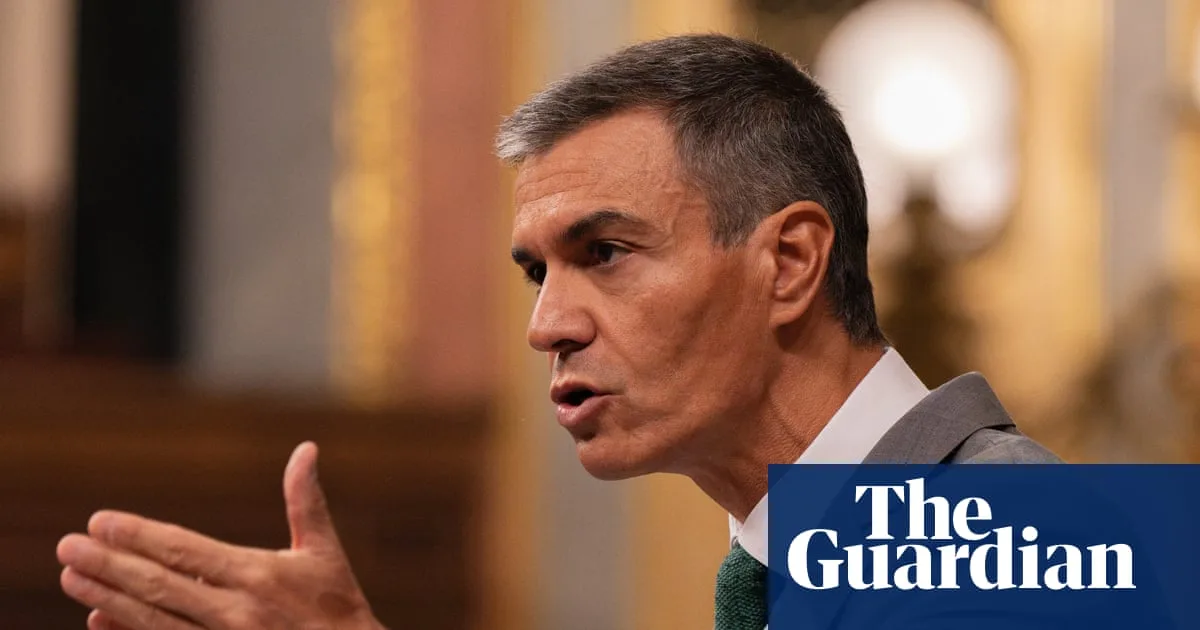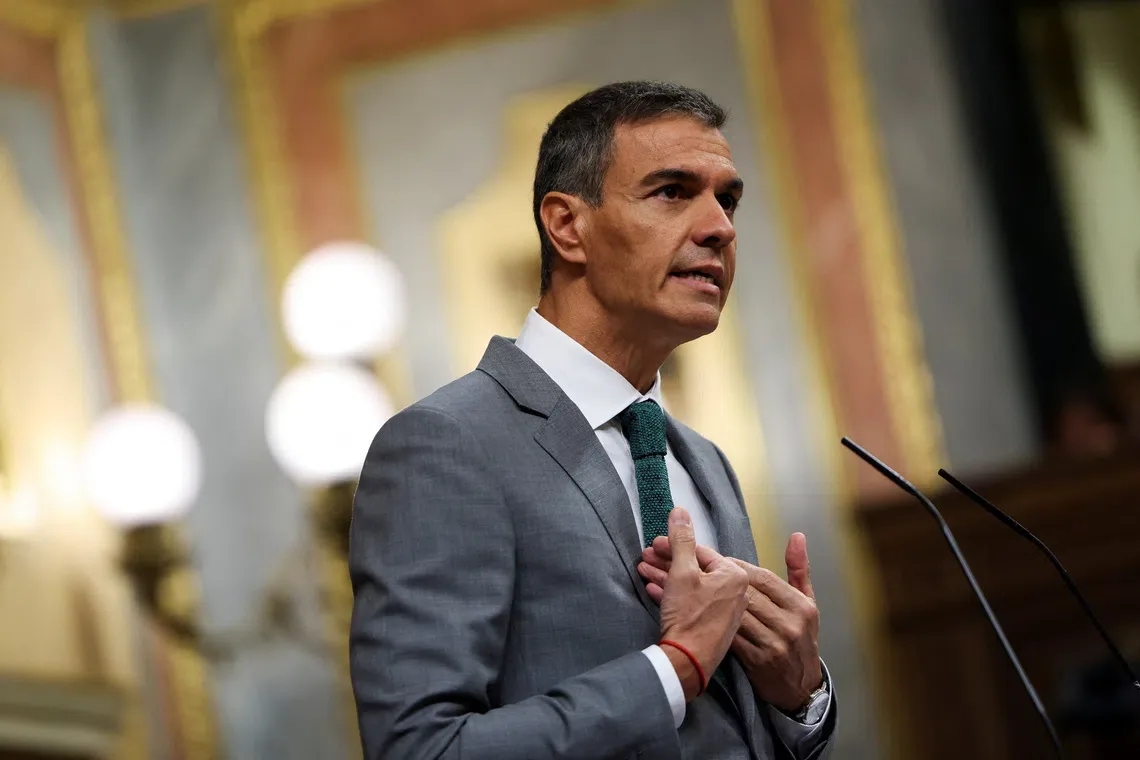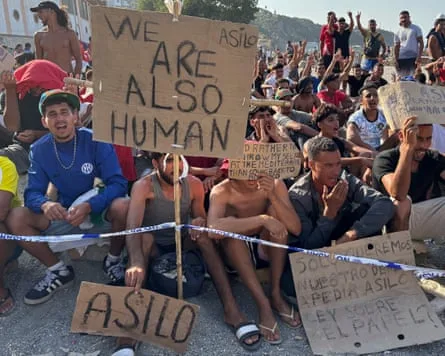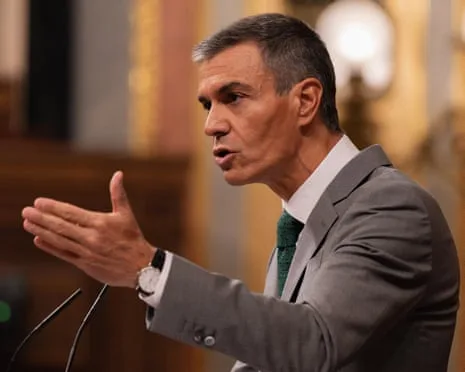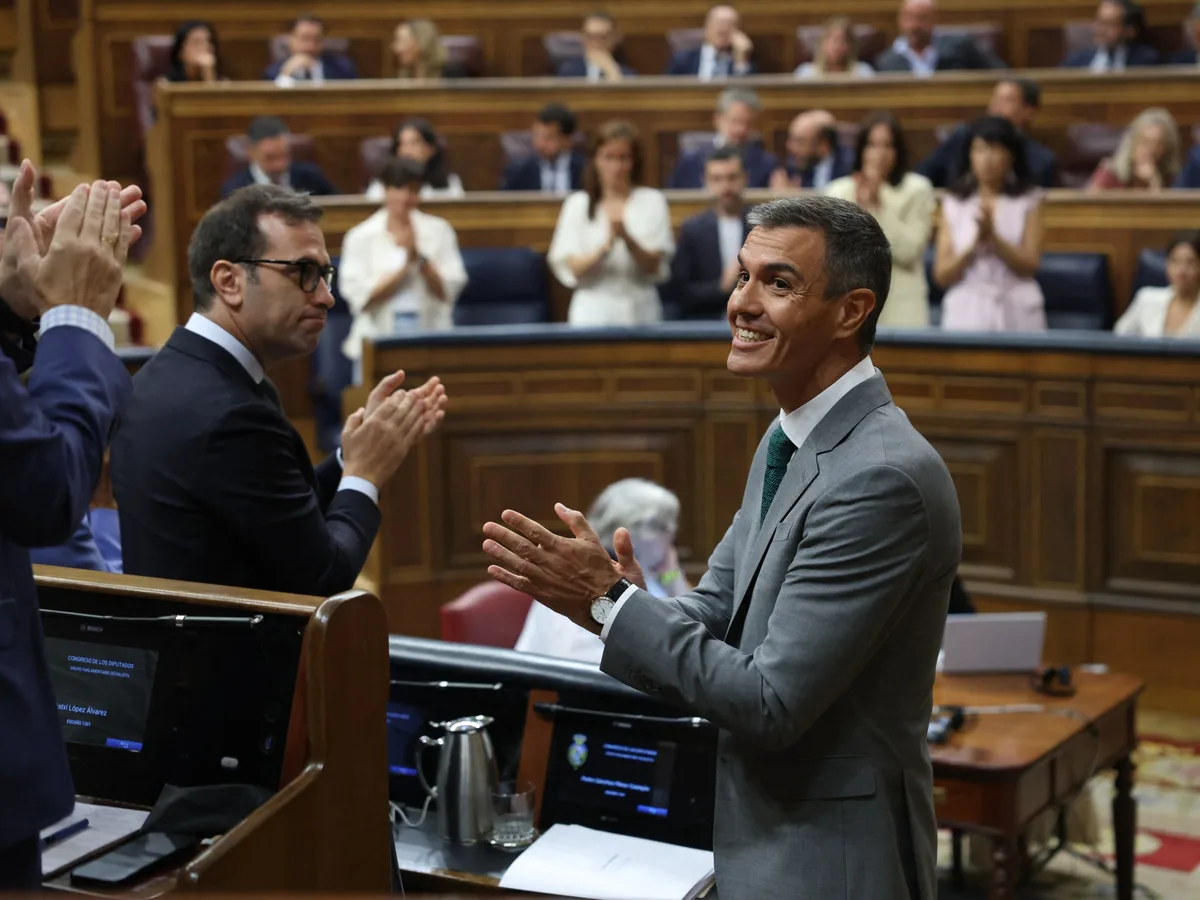
Spain’s Prime Minister Pedro Sánchez told parliament on September 3 there is no reliable evidence that Morocco planned or orchestrated the mass migrant arrivals in Ceuta during late July 2026 [1, 2, 3, 4, 5]. About 70,000 to 72,000 people crossed into the Spanish enclave from Morocco during the surge, with a 10-hour peak period on July 30 when Moroccan security forces were allegedly less present or permissive at the border [1, 2, 3, 4, 5].
A police intelligence report cited by Spanish authorities said Moroccan forces were deployed in smaller numbers than usual near the border and may have allowed or failed to stop crossings during that peak period on July 30, but Prime Minister Sánchez stated Spain has not determined whether Moroccan security’s actions were due to inaction or inability [1, 2, 3, 4]. Sánchez said, “I can assure you that no institution – not the diplomatic service, nor the European Commission, nor any international body – has provided the Spanish government with any solid evidence that Morocco planned or carried out the incident. None whatsoever” [2].
Moroccan officials have denied any involvement in enabling or orchestrating the crossings [1, 2, 3, 4]. Nevertheless, the Spanish government summoned Morocco’s ambassador on August 21 to protest remarks by Moroccan ministers regarding Spanish sovereignty claims over Ceuta and Melilla [2, 5].
Weeks after the surge, approximately 5,000 migrants remained in Ceuta, including about 1,200 children [4]. The migrant influx caused a political crisis within Spain, with large protests held on September 2 in Madrid attended by roughly 50,000 people criticizing the government’s handling of the situation [2]. Opposition politicians and some allies accused Sánchez of incompetence, complicity, or appeasement toward Morocco and called for his resignation. Opposition leader Alberto Núñez Feijóo said, “The operation came from Morocco, was consented to by Morocco and there are indications that Morocco coordinated it,” and called Sánchez “a coward who should resign” [2, 5].
Spain continues to appeal for solidarity from European partners to manage the migrant crisis sparked by the Ceuta surge [2, 4]. The number of migrants who died trying to enter Ceuta is estimated at 141 [2].
The next step will involve ongoing diplomatic discussions and efforts to manage migrant flows at Spain’s borders while addressing political pressures at home.