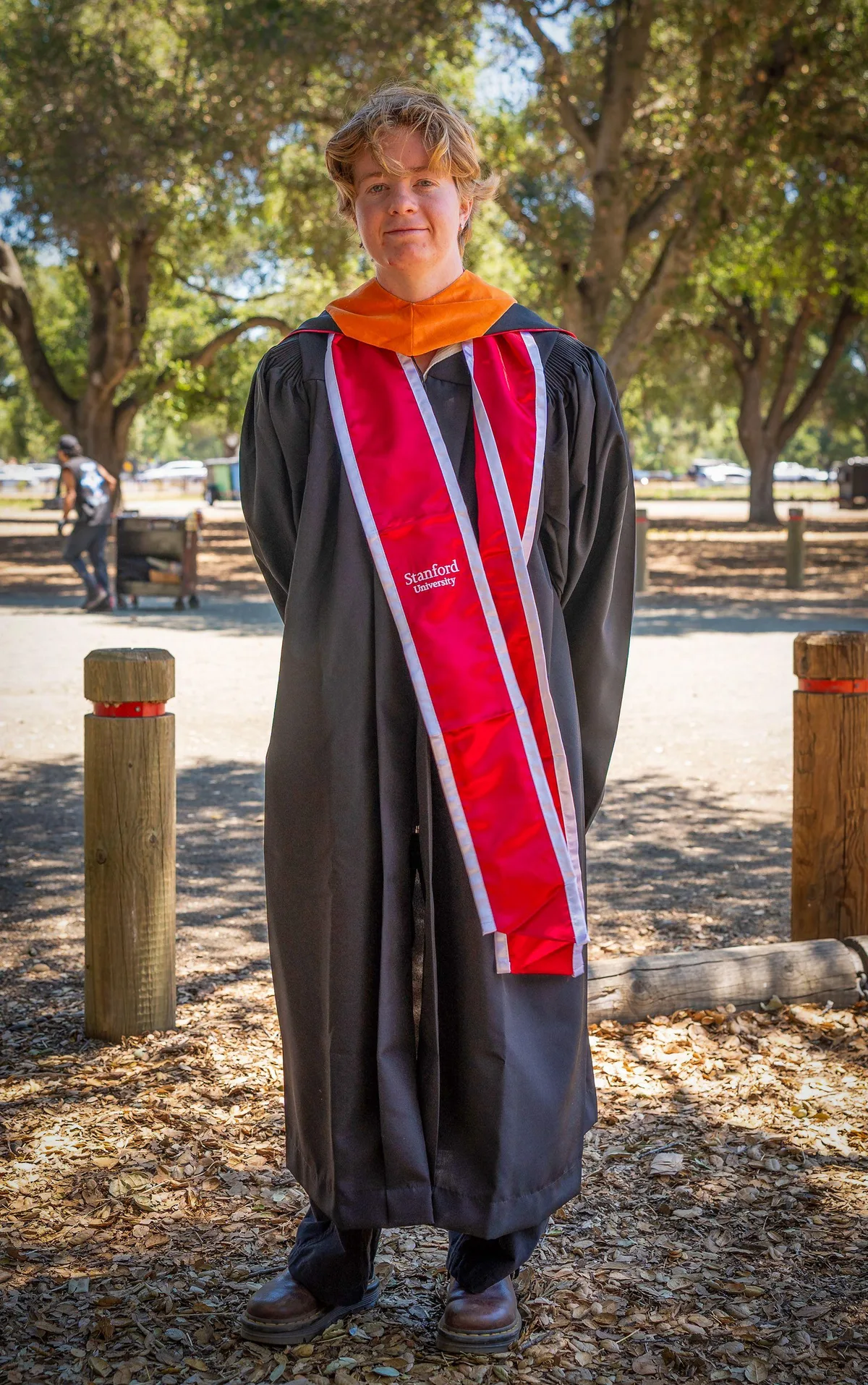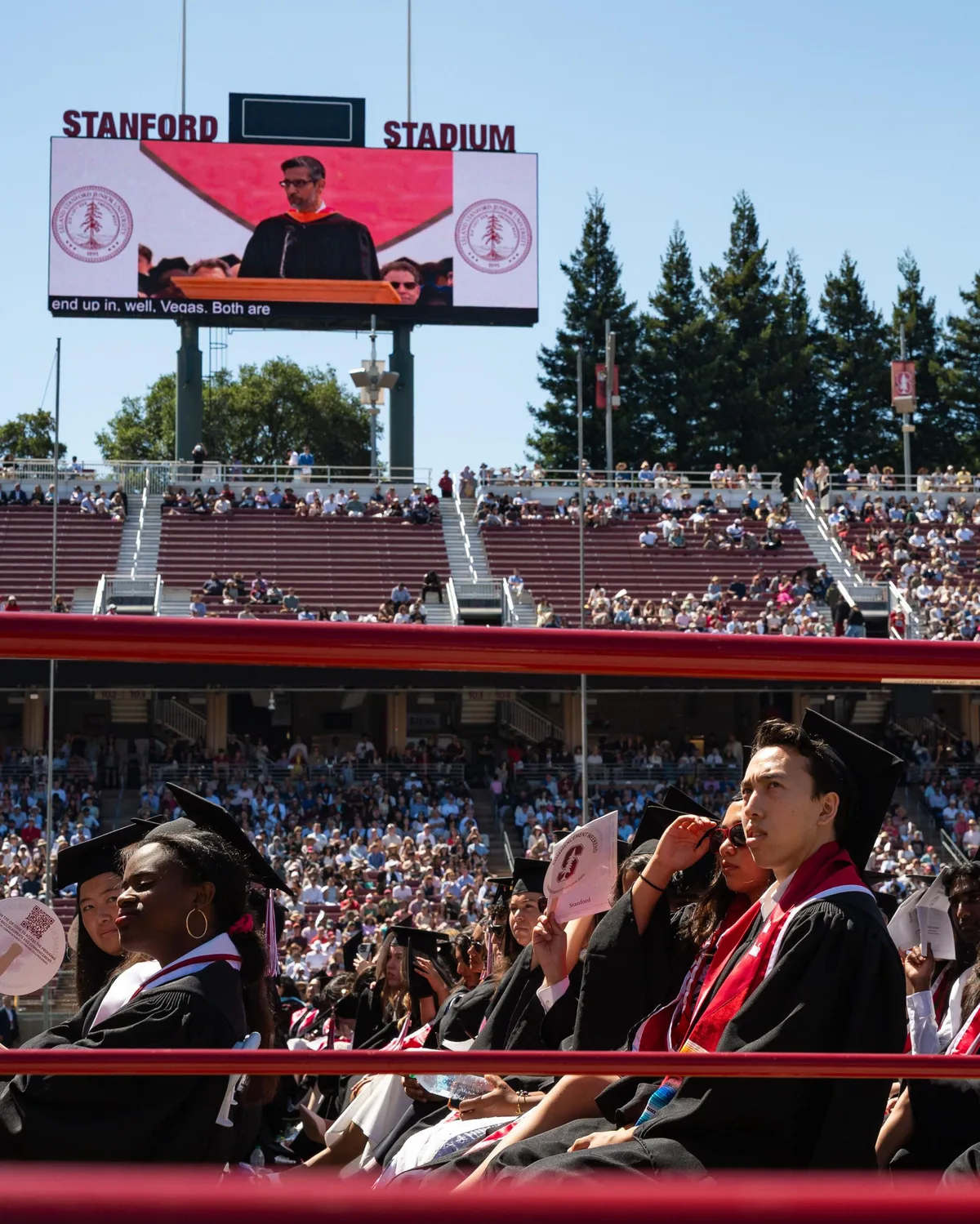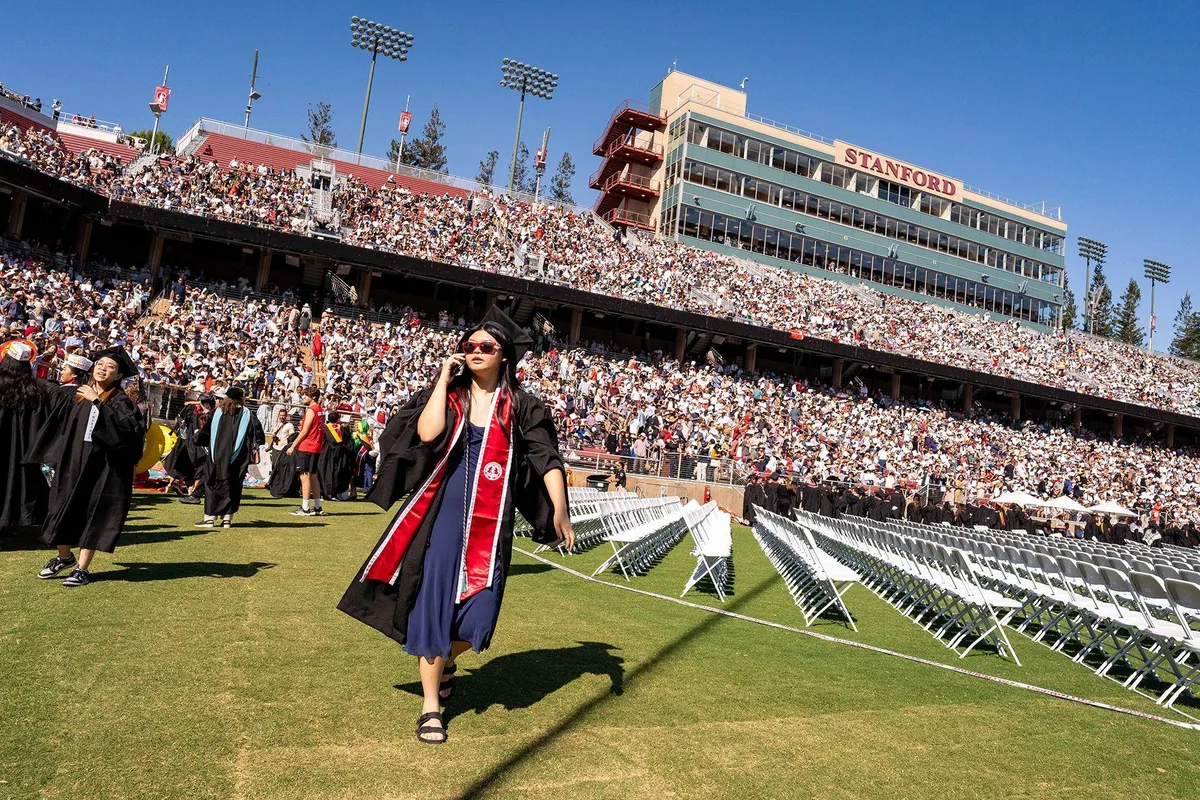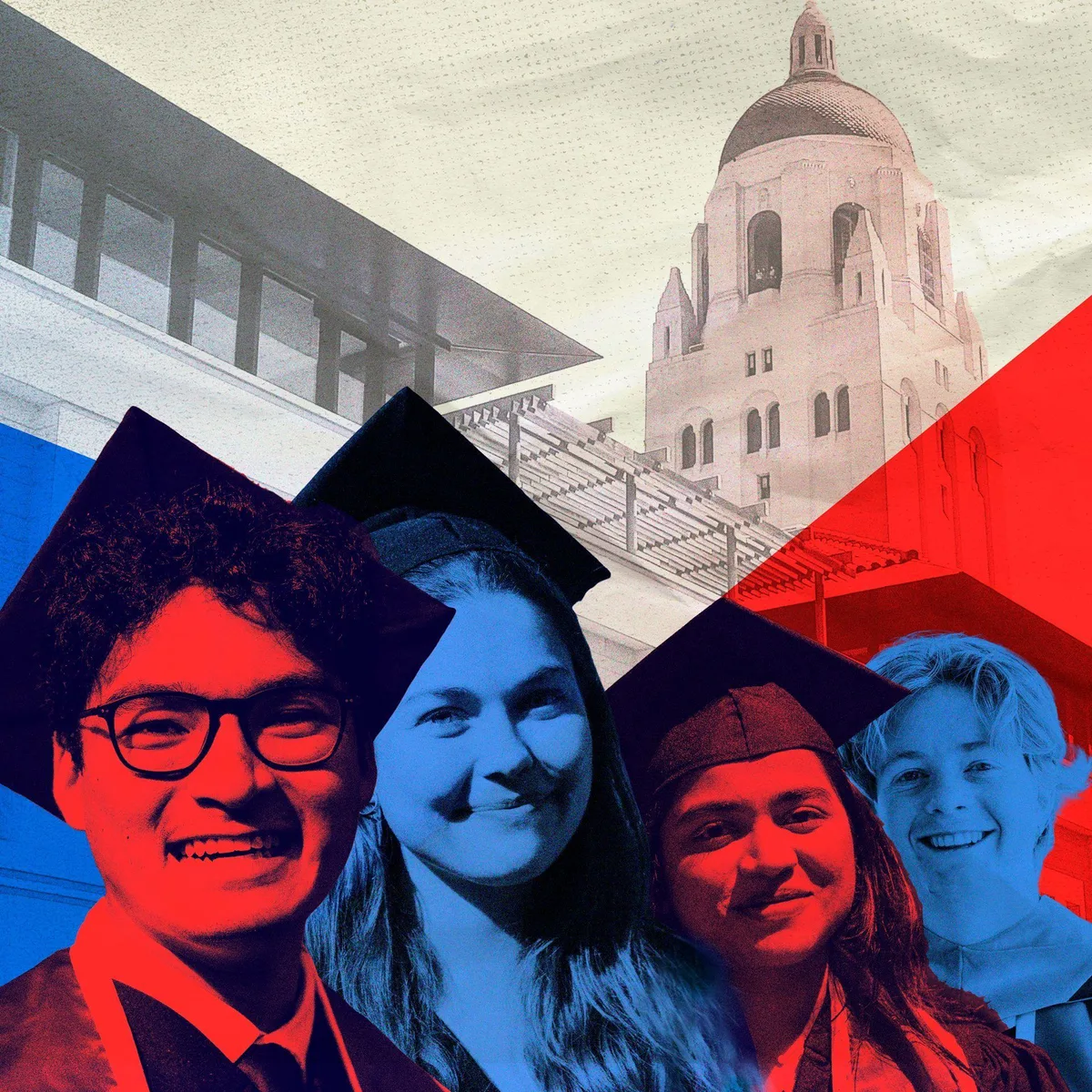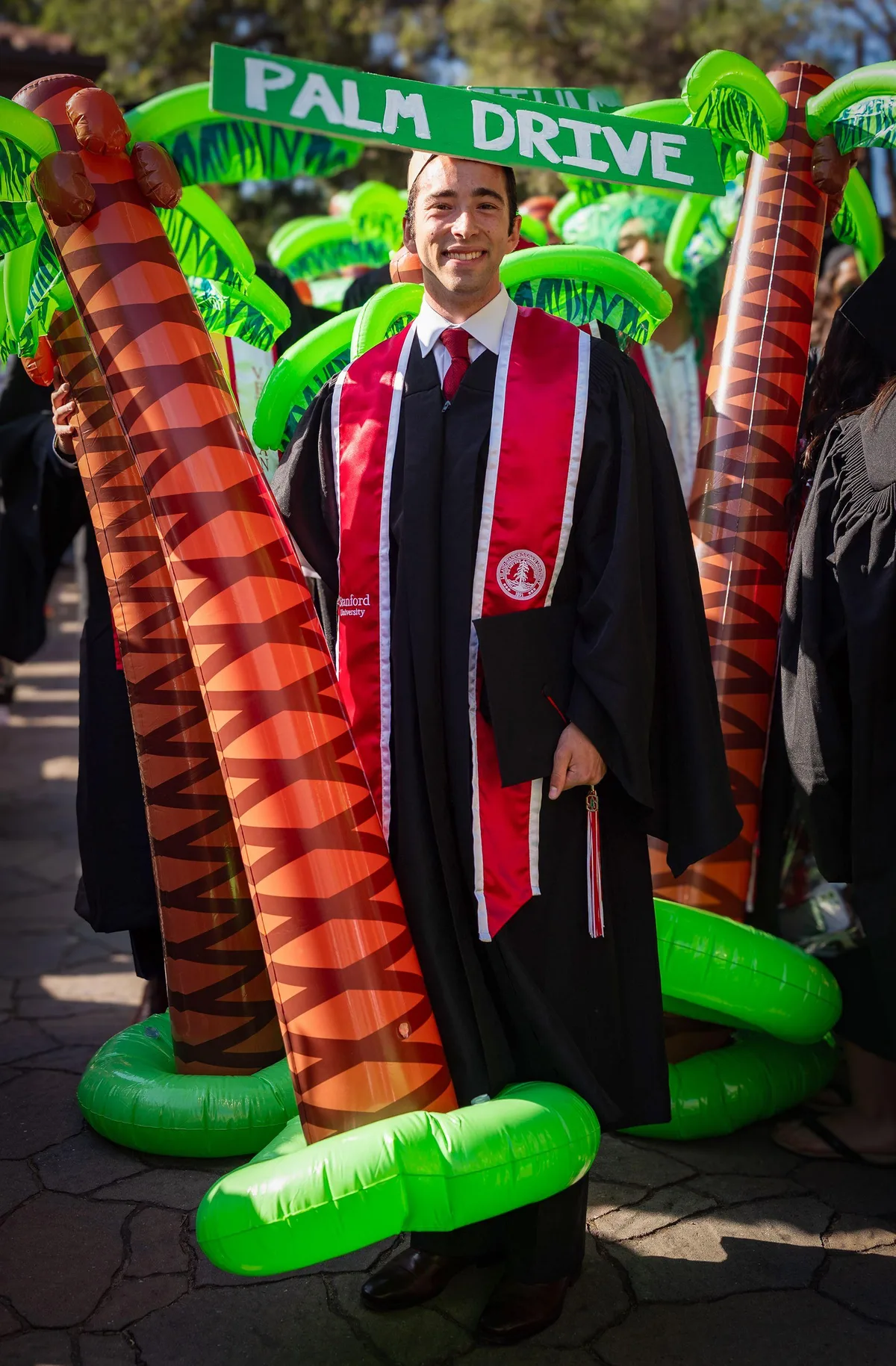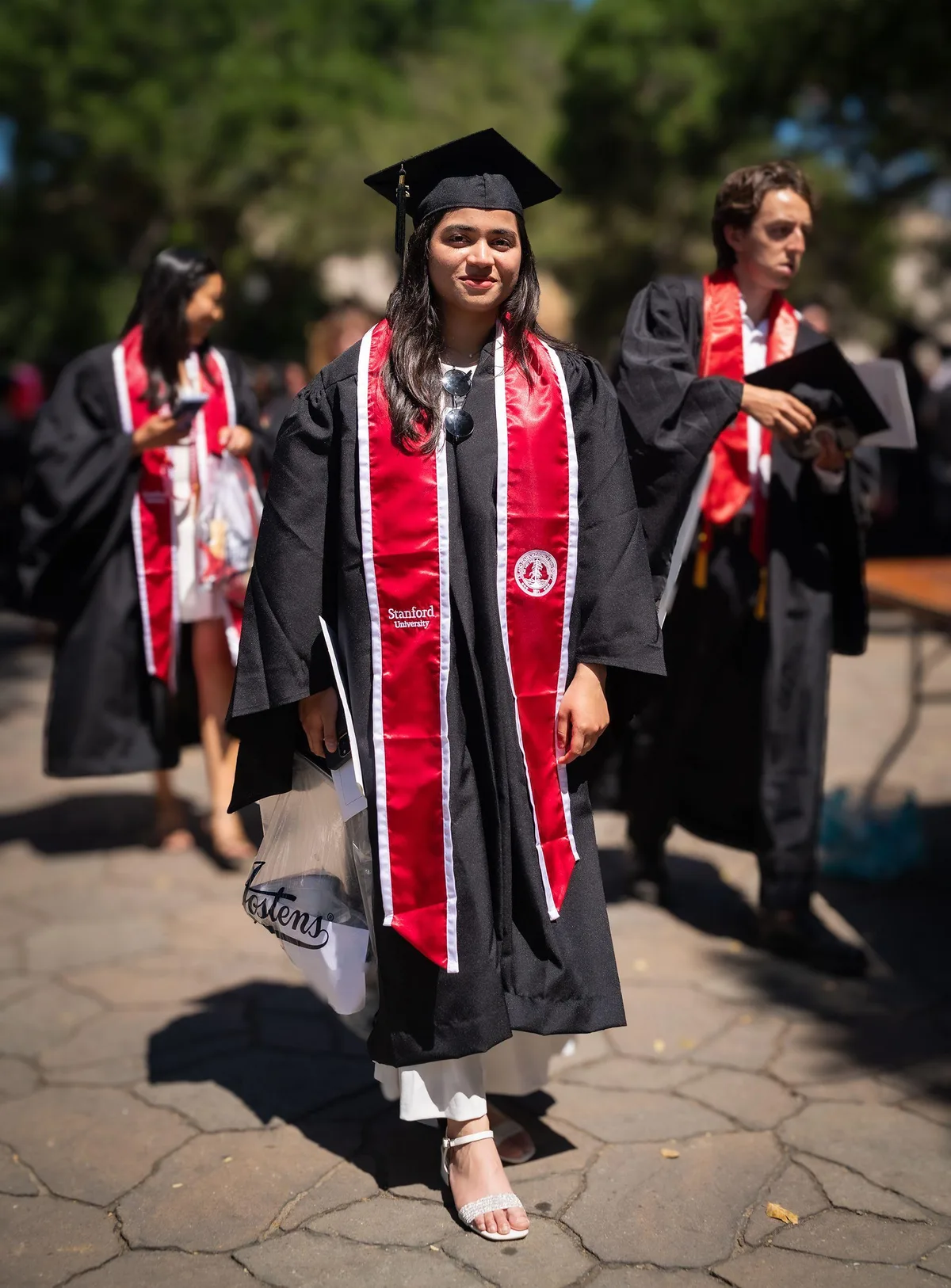
Stanford University graduates at the 2026 commencement expressed mixed feelings about artificial intelligence, ranging from optimism about its potential to fear over its ethical implications and effects on employment [1, 2, 3, 4].
Ifdita Hasan, a computer science and AI major, said she is optimistic about AI as a tool to explore and understand the universe. “I think AI offers us a chance to deepen our understanding of the universe. It’s a tool people should try to use and learn to adapt to,” she said [2].
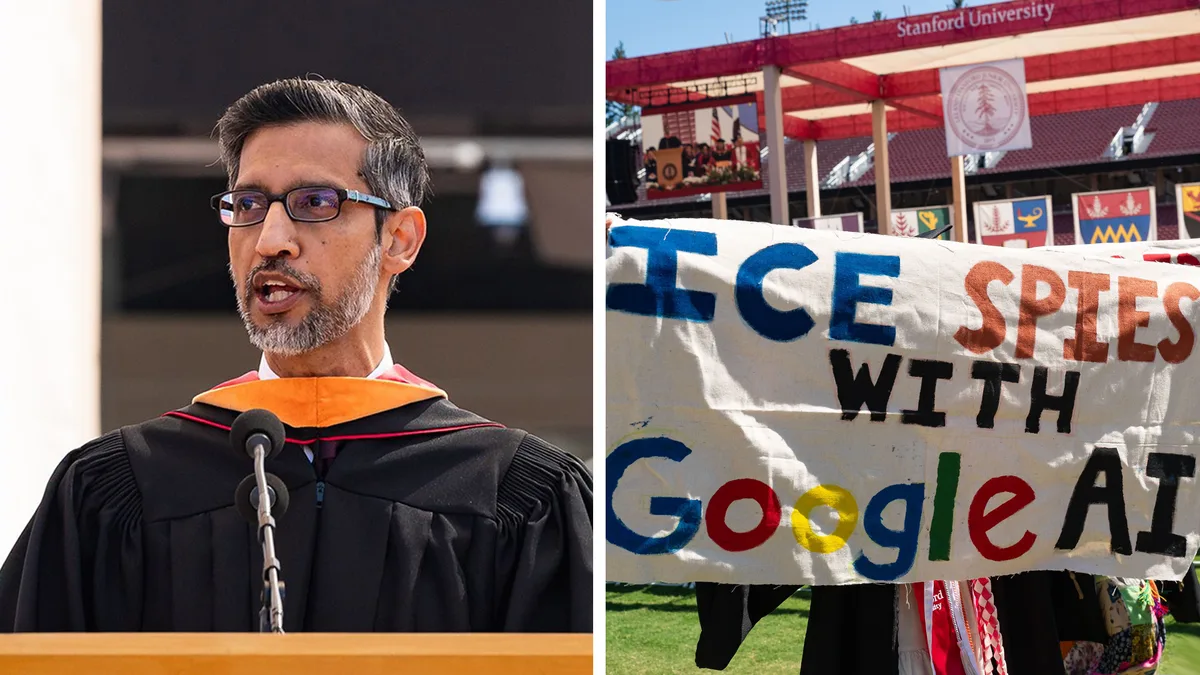
By contrast, Atash Heil, a geosystems major, voiced worry about AI’s rapid influence and the lack of ethical development. She said, “It has made such a huge impact in such a short time. This technology must develop ethically, but it is not currently doing so” [2]. Heil also expressed concern about AI’s effect on creativity: “Seeing those signs on graduation day was scary. Is the future going to be like that? I hope art is made by humans; that’s what makes it art, right?” [3].
During Google CEO Sundar Pichai’s commencement address, some graduates walked out while holding signs critical of AI surveillance and waved Palestinian flags [1, 2, 3]. Pichai noted he was told to avoid discussing AI in his speech [1].
The Stanford campus sits in Silicon Valley, about 25 kilometers from the headquarters of major tech firms like Google, Meta, and Apple [2, 3, 4]. Stanford has historically been a key player in AI research, having coined the term "artificial intelligence" and maintains close ties to leading AI figures such as Fei-Fei Li [2, 3].
Students also worry about "cognitive offloading," relying on AI to solve problems and complete mental tasks which affects learning and academic integrity. Some courses have reintroduced proctoring and oral exams to combat cheating, raising generational concerns about the future of education [2, 3, 4]. Lucy Zimmerman said, “It’s affecting how people learn. Some classes are bringing back supervised exams and more oral tests. I worry about future generations, including mine” [2].
The labor market is reshaping under AI’s influence. A Stanford study released in November 2025 found entry-level job openings in AI-impacted fields like software development have declined in the US, a finding corroborated by the Federal Reserve Bank of New York [2, 3, 4]. Despite this, demand for AI talent is booming. Corporate monthly hiring for AI roles exceeds 100,000 in 2026, and AI talent recruitment has surged 97.6% over five years, far outpacing the 22.9% growth in the overall recruitment market [4].
Many 2026 graduates have secured jobs or plan to pursue further studies, although exact employment data has not been released by Stanford [2, 3]. The university remains a unique innovation hub where concerns about AI’s ethical development, educational impact, and labor market disruption are intensely debated.
Graduation day highlighted tensions over AI’s role in society as students balanced hope for new opportunities with anxiety over a rapidly changing future shaped by technology.