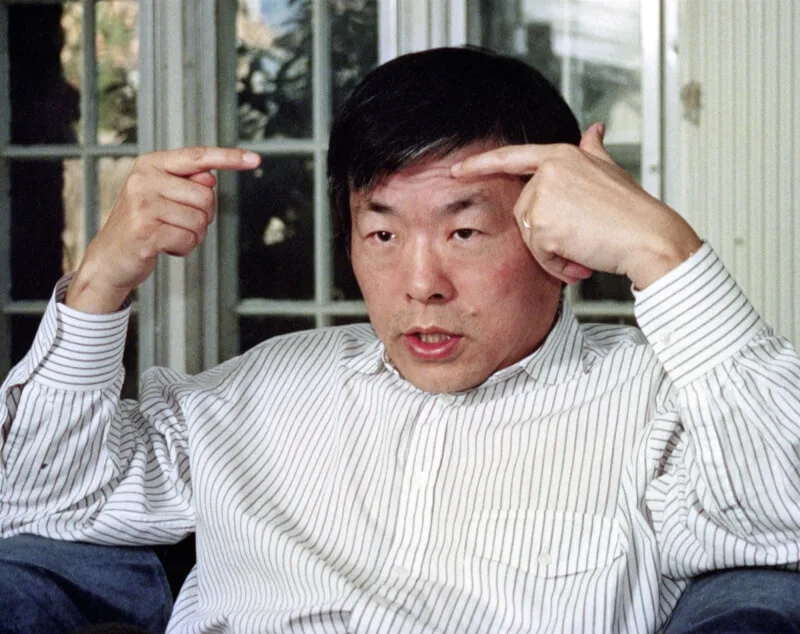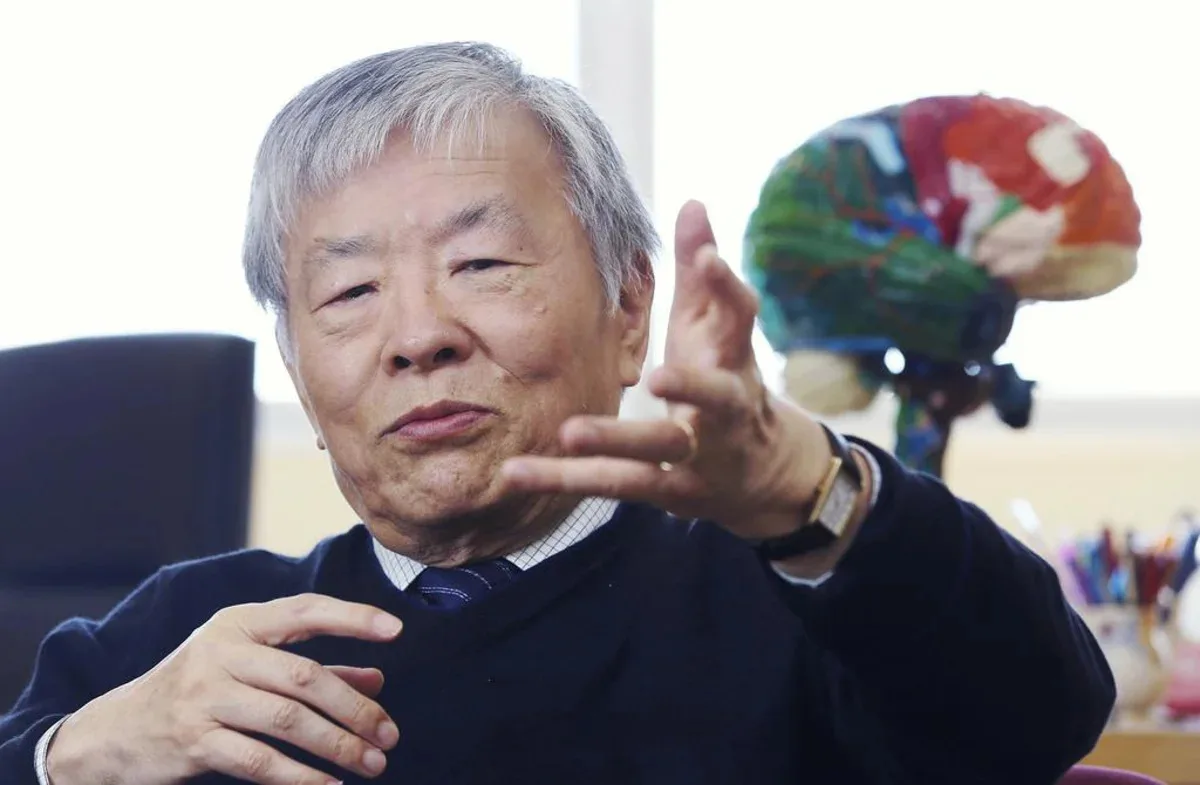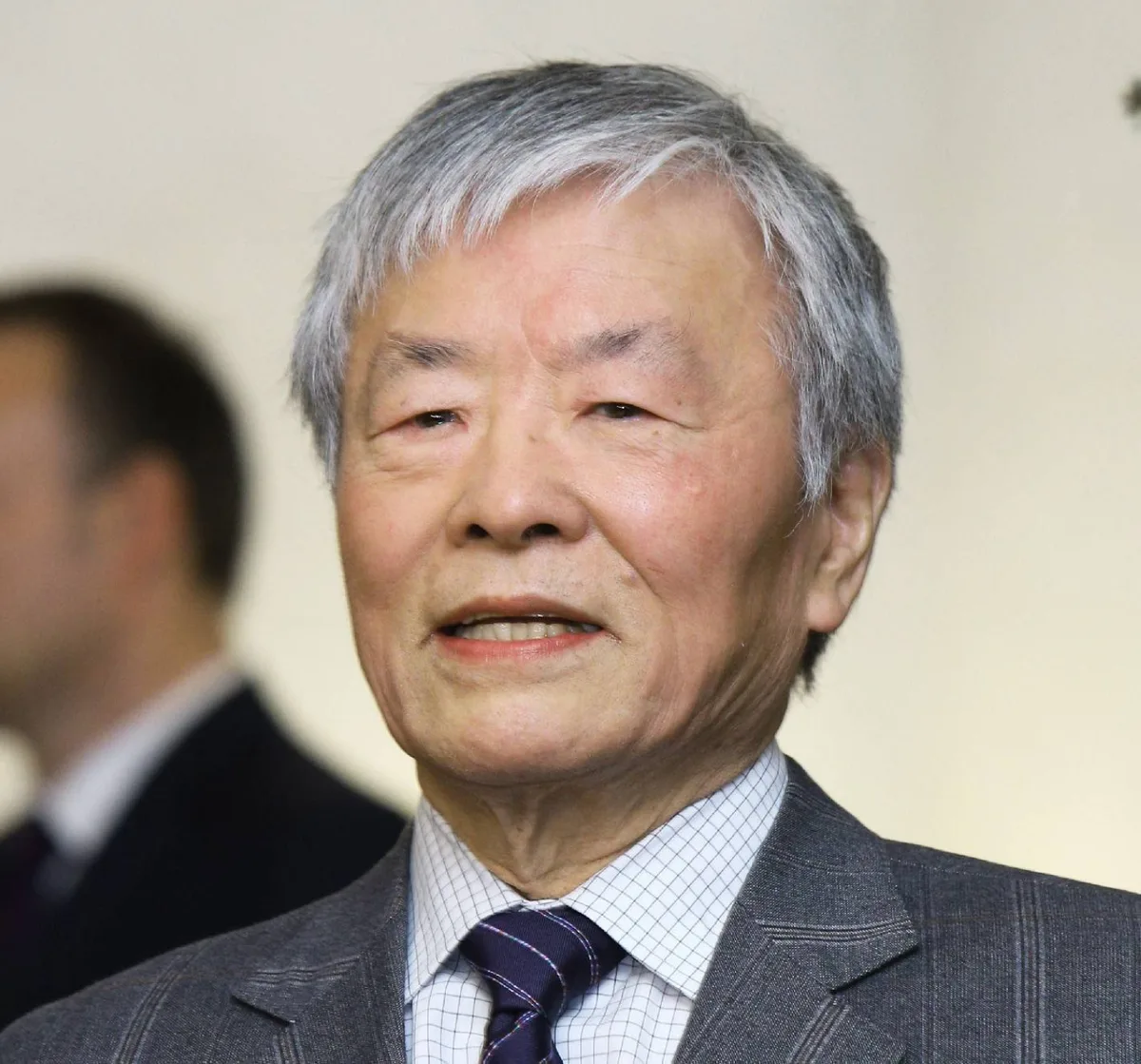
Susumu Tonegawa, the first Japanese scientist to win the Nobel Prize in Physiology or Medicine, died on July 11, 2026, at the age of 86, MIT confirmed [1, 2, 3].
Born in Nagoya, Japan, in 1939, Tonegawa graduated from Kyoto University Faculty of Science in 1963 before moving to the United States to pursue molecular biology [1, 2, 3]. He earned his doctorate at the University of California, San Diego, in 1968 and worked at the Basel Institute for Immunology in Switzerland prior to becoming a professor at MIT [1, 2, 3].
Tonegawa received the Nobel Prize in 1987 at the age of 48 for identifying how gene rearrangements create diverse antibodies essential for the immune system [1, 2, 3]. His groundbreaking work explained the mechanism behind immune diversity, a fundamental biological process.
Later in his career, he shifted focus to brain science, researching mechanisms of memory storage and methods to rewrite fear memories in mice. Some of this neuroscience work was recognized as among the top breakthroughs by Science magazine [1, 2, 3]. He also served as head of Japan’s Riken Center for Brain Science alongside his MIT work [1, 2].
Tonegawa received Japan’s Order of Culture in 1984 and several prestigious international scientific awards [1].
Chief Cabinet Secretary Minoru Kihara paid tribute, saying, “He continued to actively publish research results in recent years, making great contributions to scientific and technological development in Japan and the world. The creation of scientific and technological innovations is the source of the future development of human society. I express my sincere respect for his achievements” [1].
Myriam Heiman, director at MIT’s Picower Institute, mourned Tonegawa as a fundamental figure who changed biology, saying in Chinese, “利根川進從根本改變了人類對生物學的理解,憑藉卓越的創造力、科學洞察力及對基礎問題的堅持,在免疫學與神經科學領域開創全新方向,其學術成就與影響力將持續深遠影響全球科學界” [3].
MIT confirmed that a private funeral was held, followed by burial in Kyoto, Japan [2].