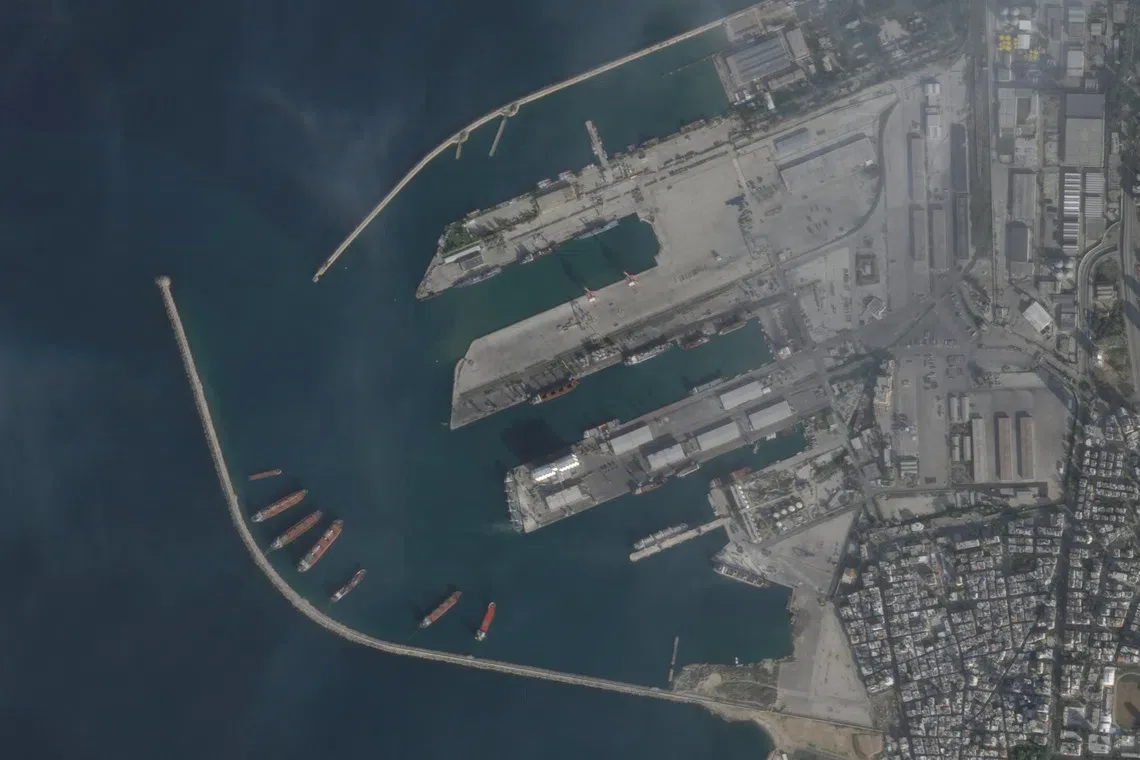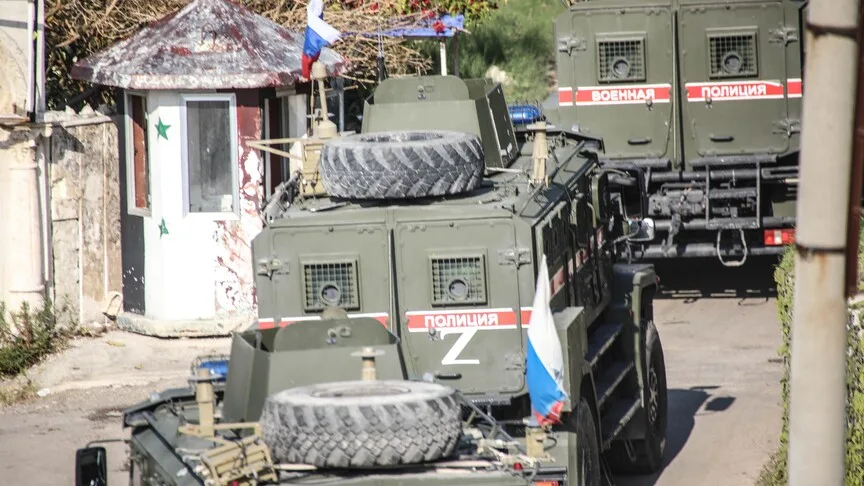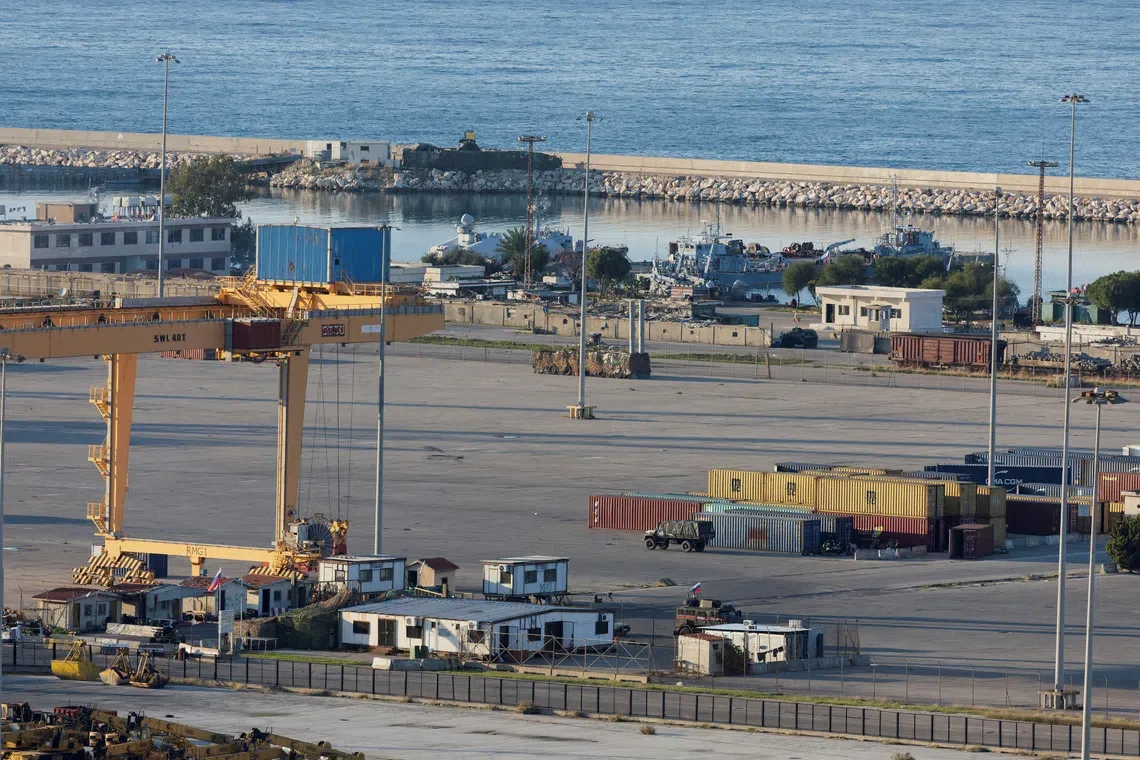
Syria and Russia finalized a memorandum of understanding on August 9 after 18 months of negotiations over the future of Russia's military bases at Tartous naval base and Hmeimim airbase in Syria [1, 2, 3]. Under the agreement, Syria will assume control of civilian facilities at the bases, including Hmeimim airport and Pier No. 4 at Tartous port, placing them under Syrian civilian administration [1, 2, 4]. Syria's General Authority for Ports and Customs announced it would take over commercial sites previously operated by Russia at Tartous, including the pier and associated warehouses [1, 4, 5].
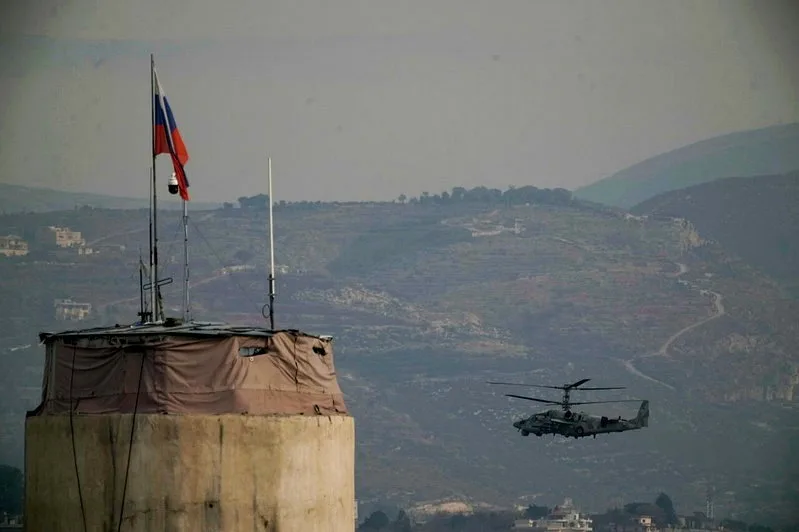
The military portions of the Tartous and Hmeimim bases will be repurposed as joint training and qualification centers under new arrangements designed to safeguard the interests of both nations [1, 2, 3, 4]. While Russian forces will remain stationed at these training centers, the exact troop numbers have not been disclosed [6].
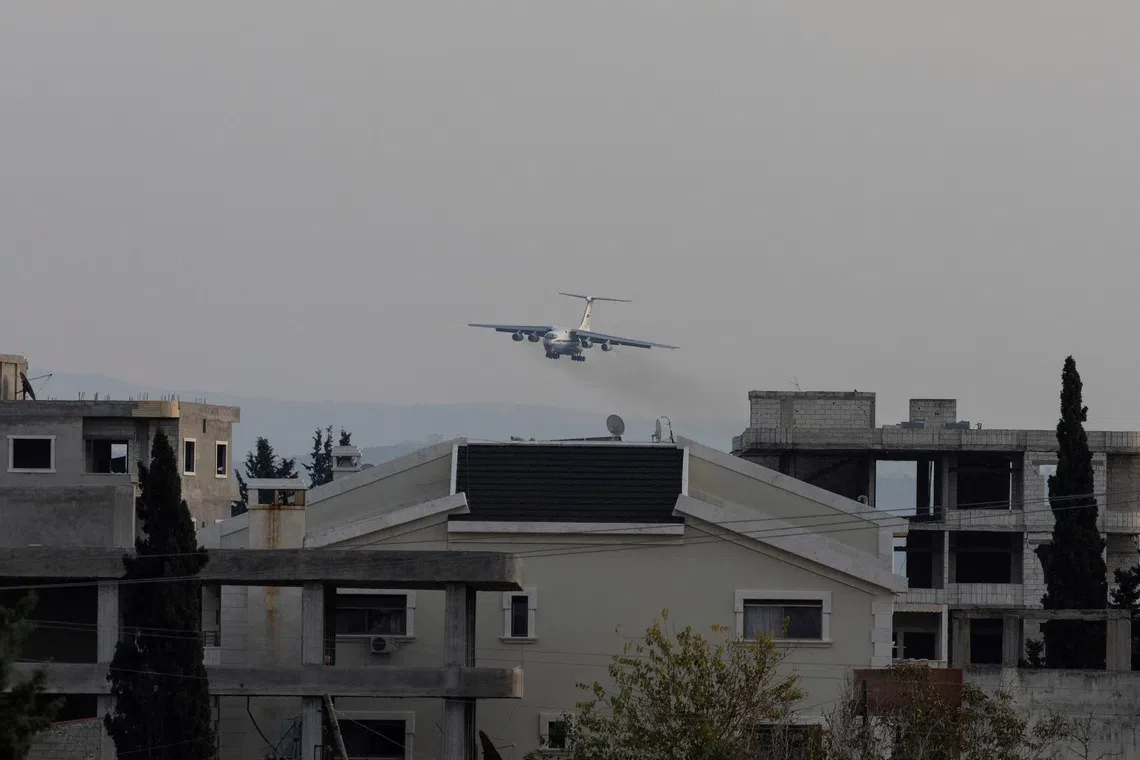
Syria has already begun taking control of civilian airport facilities adjacent to Hmeimim, namely Latakia International Airport. Omar al-Hasri, head of Syria’s Civil Aviation Authority, said, “The Authority’s specialised teams have begun the technical and operational assessment of the airport, its facilities and systems, in preparation for developing a plan to rehabilitate it. This is an important step towards restoring and operating Syrian airports and reintegrating them into the national civil aviation system” [2].
Russia’s naval facility at Tartous and the airbase at Hmeimim have long served as Moscow’s principal military footholds in the Mediterranean and Middle East [1, 4]. The fate of these bases became a key issue following the ousting of former Syrian President Bashar al-Assad in December 2024, which prompted negotiations on their status [1, 4, 5, 7].
The transition and full implementation of the new arrangements are scheduled to be completed within three months of the memorandum signing, by November 9, 2026 [1, 2, 3, 4]. Since the signing, Syrian officials including Foreign Minister Asaad al-Shaibani have inspected the facilities as part of the transition process [2].
The Russian Foreign Ministry called the memorandum "an important step aimed at further improving bilateral cooperation in the military sphere" [6].