Syria's voting rights at the Organisation for the Prohibition of Chemical Weapons (OPCW) were restored on July 9, 2026, after a five-year suspension. The OPCW decision came by consensus, co-sponsored by 67 States Parties, reflecting changes after Syria’s transitional government took power following the fall of the Assad regime in 2024 [1, 2, 3].
Syria was suspended from voting in 2021 due to repeated chemical weapons use during its civil war and failure to fully declare its chemical weapons program. Investigations concluded the previous Assad government used sarin and chlorine gas despite international denial. The suspension followed Damascus's chemical attack near Eastern Ghouta in 2013 that killed at least 1,400 civilians and prompted Syria’s joining the OPCW later that year [1, 2, 3].
The OPCW cited a "significant change in circumstances" after the Assad regime's ouster in 2024 and progress made by Syria’s new authorities. Syrian transitional leaders have located remnants of chemical weapons from the former regime, including raw materials and munitions. They committed to destroying these stockpiles. OPCW Director-General Fernando Arias said the decisions "reflect the tangible progress achieved through continued cooperation and constructive engagement" between Syria and the wider OPCW membership [1, 2, 3].
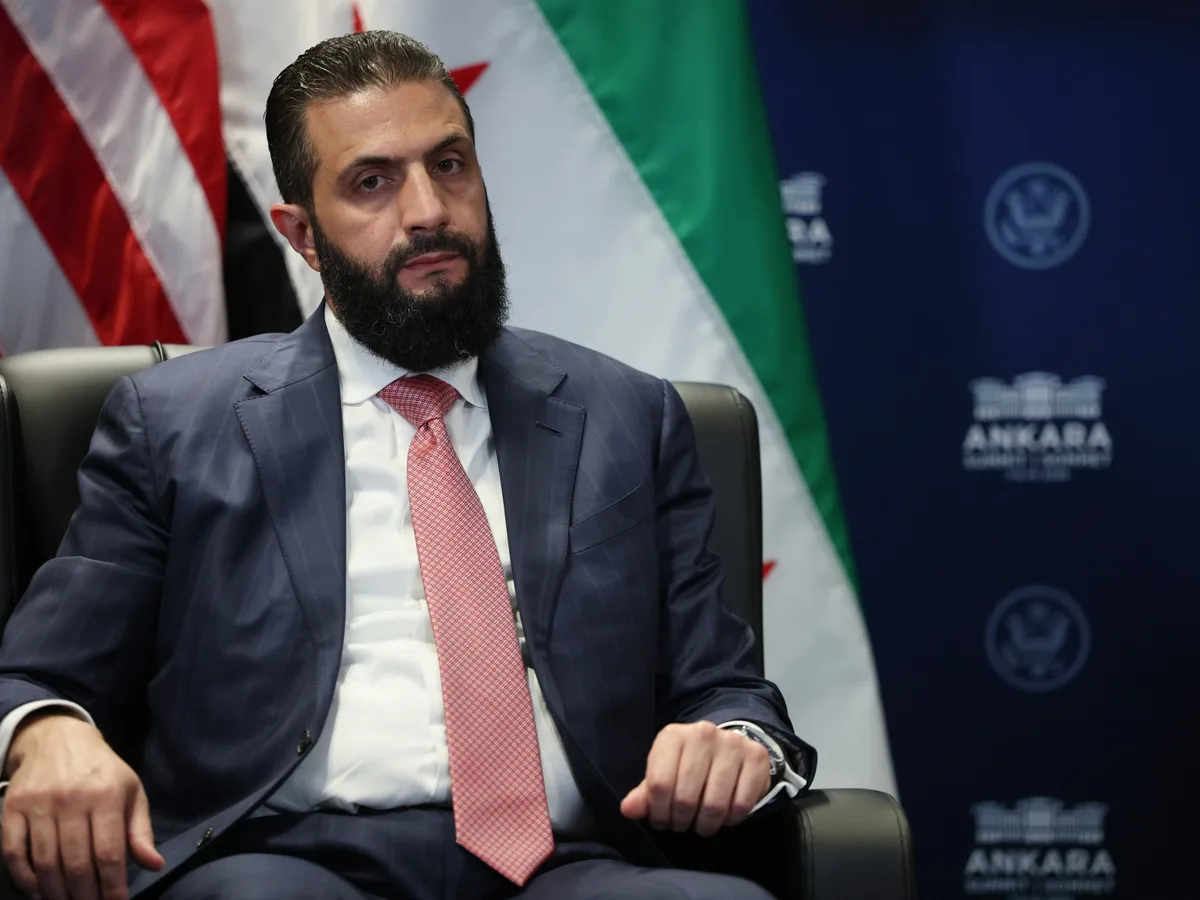
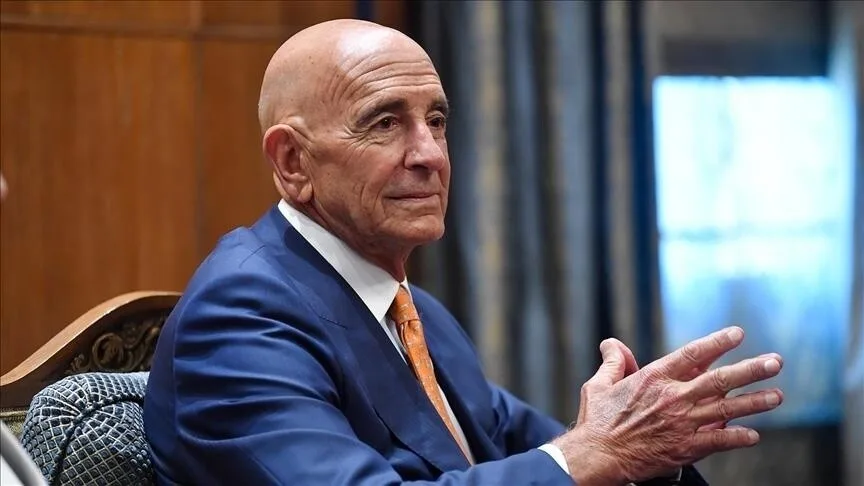
US Special Presidential Envoy Tom Barrack welcomed the restoration as "a meaningful milestone," praising the Syrian government's progress. Syrian Foreign Minister Asaad al-Shaibani called regaining voting rights "a historic step reflecting Syria's restored international position" and noted the unprecedented consensus among member states [3].
The OPCW will continue to monitor Syria’s efforts and take necessary action to eliminate remaining chemical weapons [1, 2, 3]. Syria’s restored voting rights mark the latest development as the country seeks to rebuild its standing internationally following years of conflict and chemical weapons violations.