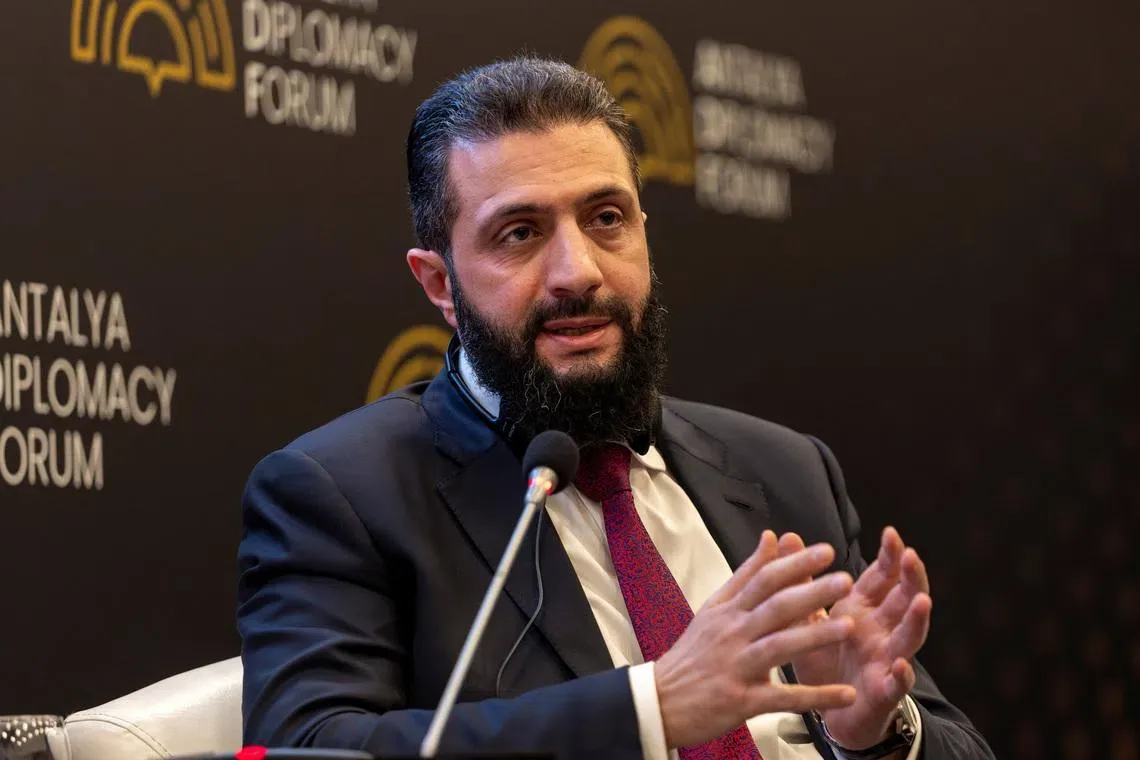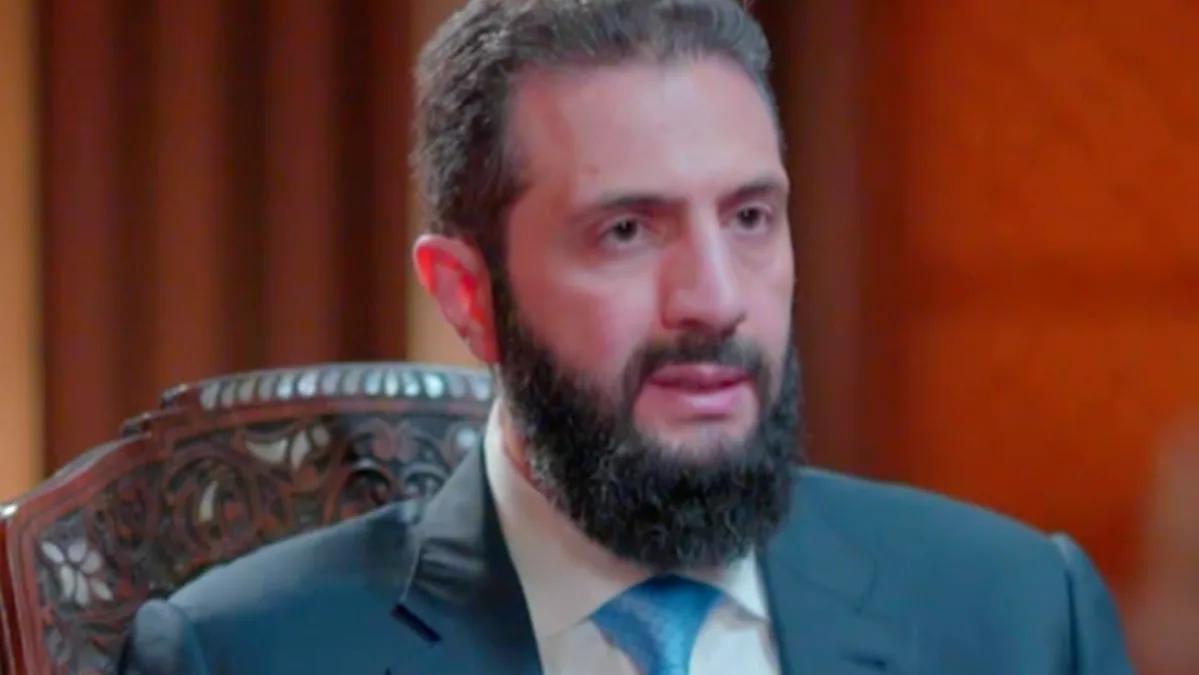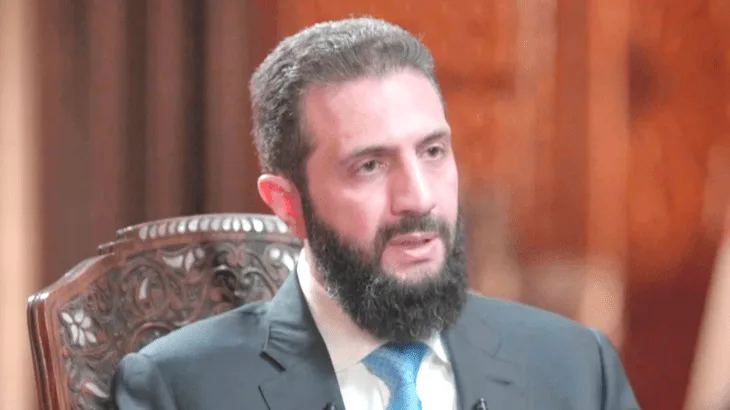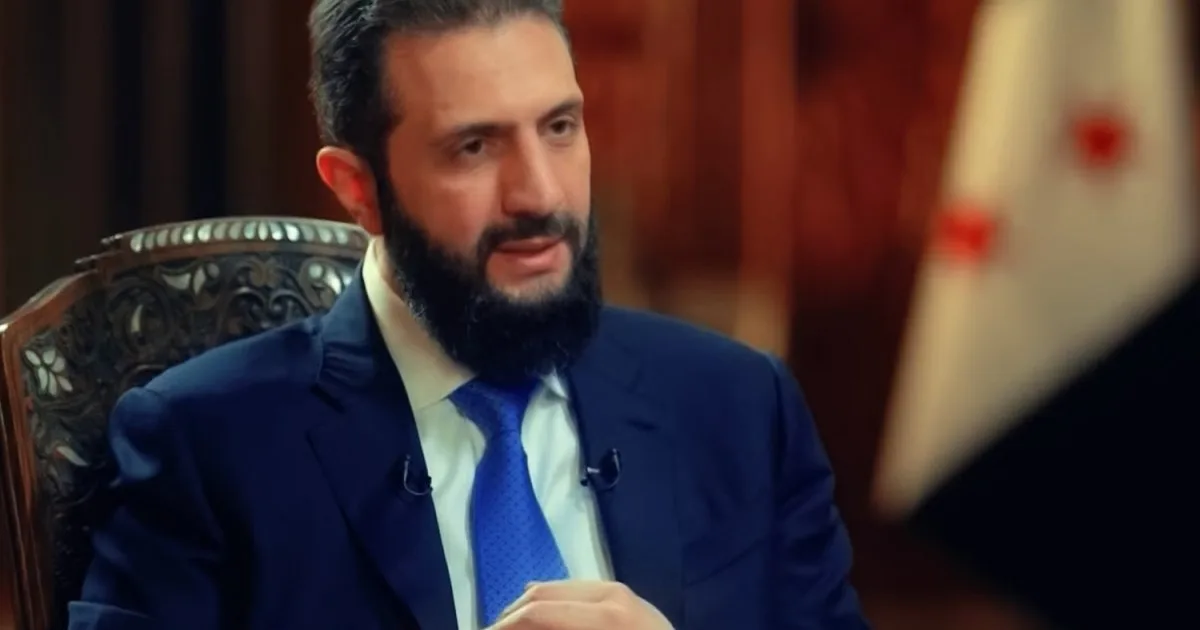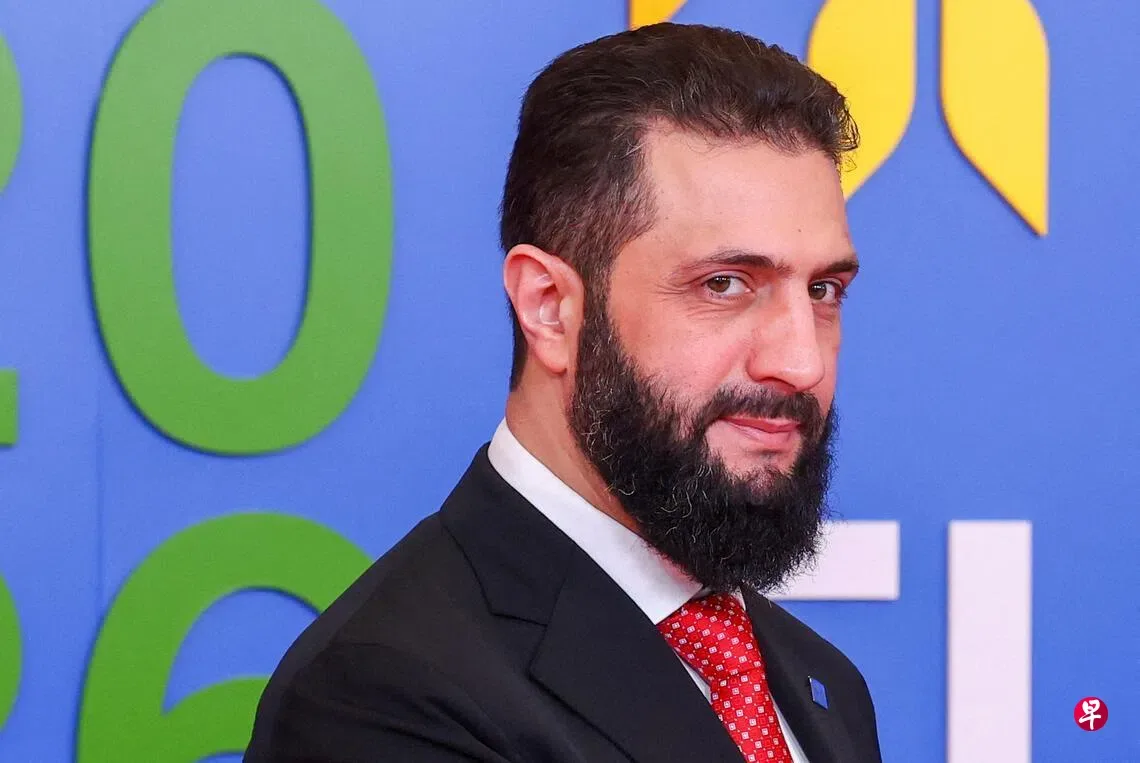
Syrian President Ahmed al-Sharaa announced on July 26, 2026, that Syria is seeking a security agreement with Israel involving multiple countries, aiming to avoid confrontation and pave the way for comprehensive peace between the two nations [1, 2, 3, 4, 5, 6]. He stressed the deal would not compromise Syria’s claim to the Golan Heights, a territory occupied by Israel since 1967 and annexed in 1981 [1, 2, 3, 7, 4, 5, 6].
Al-Sharaa said, "We are avoiding getting into confrontations," highlighting Syria’s intent to resolve disputes short of conflict [1]. He added, "If the security agreement with Israel succeeds, it will pave the way for comprehensive peace without relinquishing Syria’s right to the occupied Golan Heights" [5].
Since Al-Sharaa rose to power in December 2024 following the fall of Bashar al-Assad’s government, Israeli troops have entered Syria and occupied strategic areas including the demilitarized zone and Mount Hermon [1, 2, 8, 4]. Israel has also conducted strikes inside Syria, detained individuals, and intervened to protect the Druze minority in the southwest [1, 2, 8]. On July 26, Israeli forces shelled the Syrian village of Maariyah, destroying an electrical transformer and causing power outages [1, 8].
Al-Sharaa ruled out military intervention in Lebanon despite the crisis there. He said Syria is working with Lebanese authorities to help stabilize the country. "We are not considering military intervention, but Syria has several cards that it can offer the Lebanese state to use as it sees fit," he said [1, 2, 3, 9, 8, 7, 4, 5, 6]. He affirmed his support for Lebanese state monopoly on arms and exclusive authority over decisions of war and peace [3, 5, 6]. Al-Sharaa also voiced concern that chaos in Lebanon would have direct negative effects on Syria [3, 7, 5, 6].
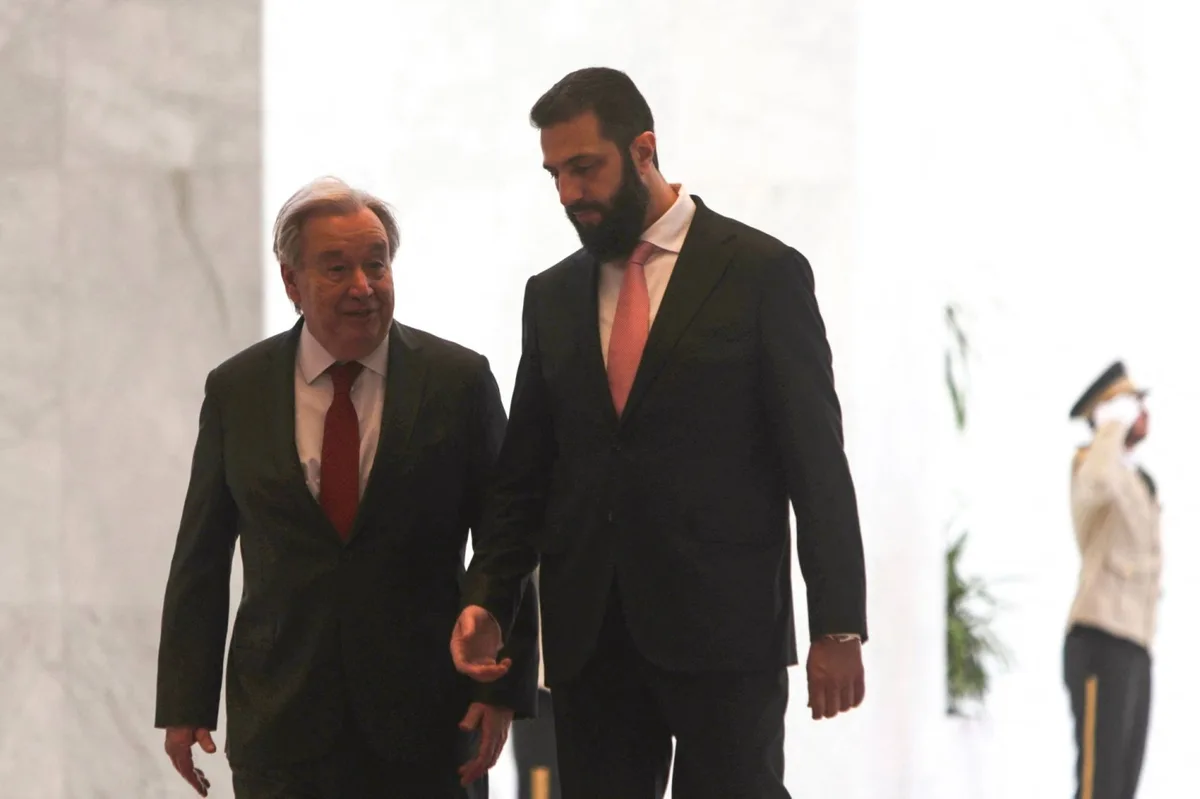
On the same day, U.N. Secretary-General Antonio Guterres visited Syria. He called for respect for Syria’s sovereignty and condemned Israeli violations of the 1974 Disengagement Agreement. Guterres said, "Violations by Israel of the 1974 Disengagement of Forces Agreement are unacceptable & must stop" [1, 8, 4].
Al-Sharaa became the first Syrian president since 1967 to attend the United Nations General Assembly when he traveled to New York in 2025 to restore Syria’s international relations and economy after years of war [1, 2, 8]. He noted economic sanctions alone will not suffice and emphasized the need to remove Syria from the list of state sponsors of terrorism [3, 7].
Al-Sharaa acknowledged ongoing discussions with Russia about the latter’s military presence in Syria and mutual cooperation, as well as efforts to develop relations with Iraq on solid foundations due to shared economic interests [5, 6].