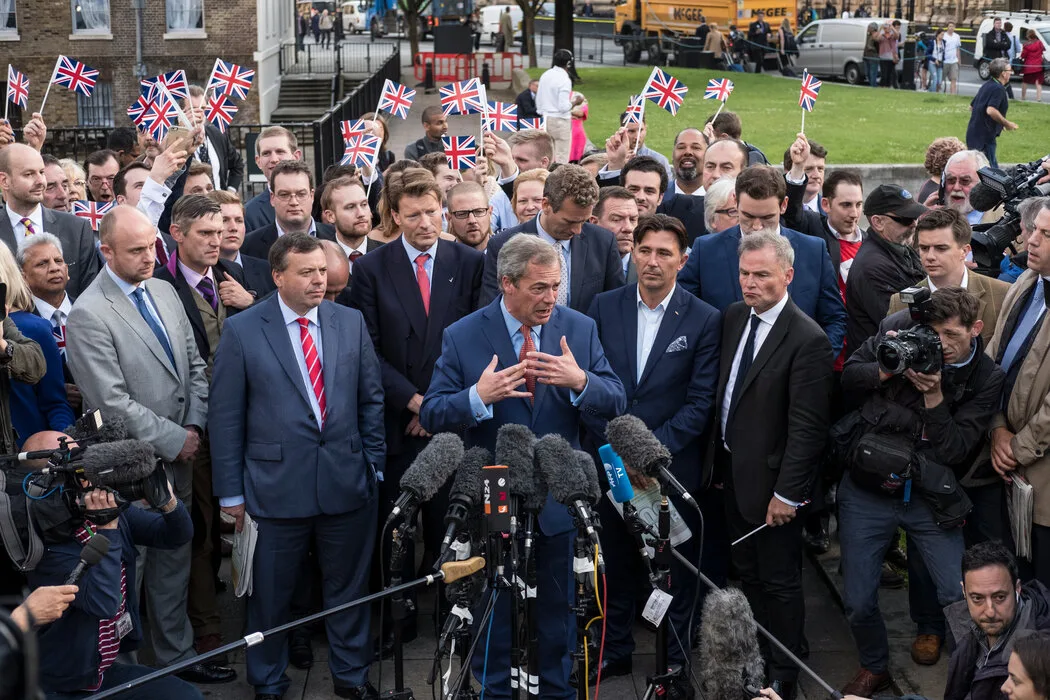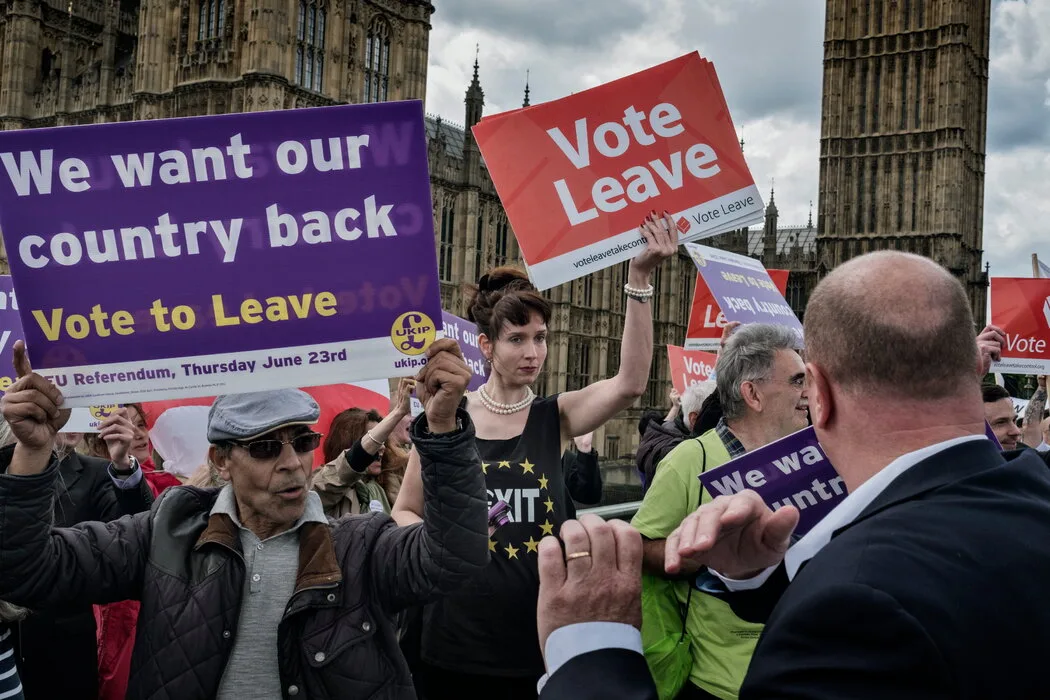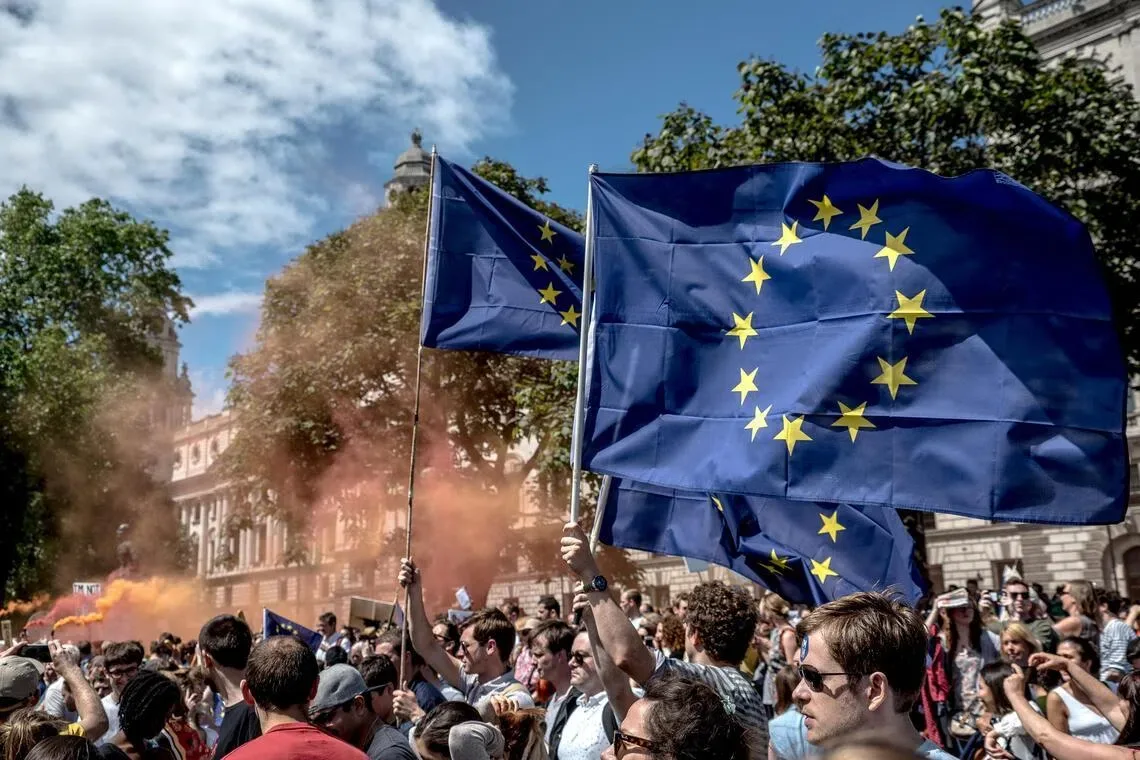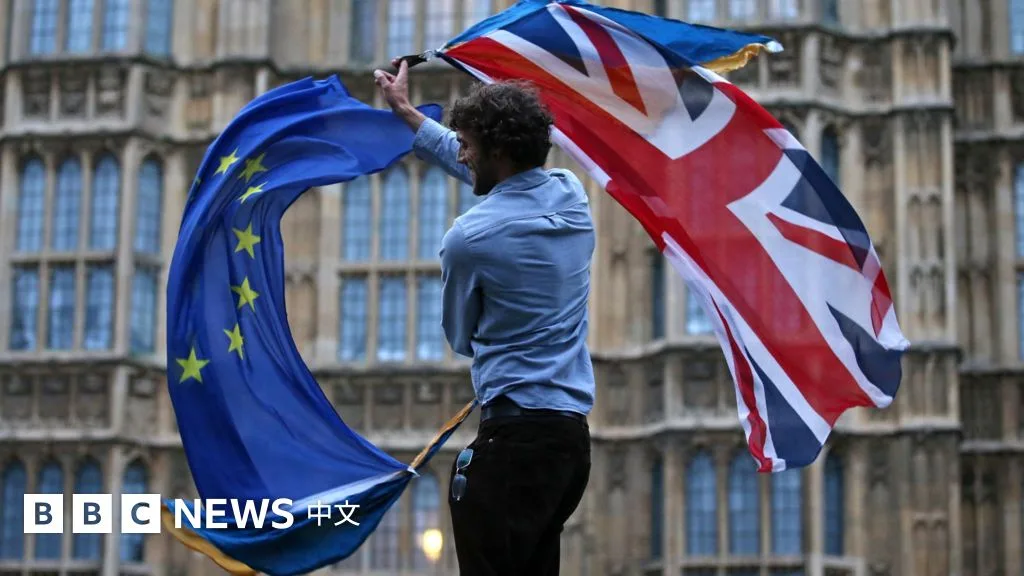
The United Kingdom marked a decade since its 2016 referendum vote to leave the European Union, a decision that has led to ongoing economic challenges and political instability. On June 22, 2026, Labour Prime Minister Keir Starmer resigned, becoming the seventh UK leader since the referendum was held on June 23, 2016 [1, 2, 3, 4, 5].
Brexit officially took effect in January 2020, after an 11-month transition period, formalizing the UK's departure from the EU [1]. Despite a Brexit trade deal reached by December 2020 guaranteeing zero tariffs on goods exports to the EU, UK exports of goods to EU markets have declined 14% in volume and variety by 2025, reflecting increased non-tariff barriers and bureaucratic hurdles [6]. Economist Jonathan Haskel noted investment has been about 13% below trend since 2016, contributing to an estimated £29 billion contraction in the economy [6]. Many economists estimate Britain’s GDP is currently 4%-8% smaller than it would have been if it remained in the EU [1, 6].
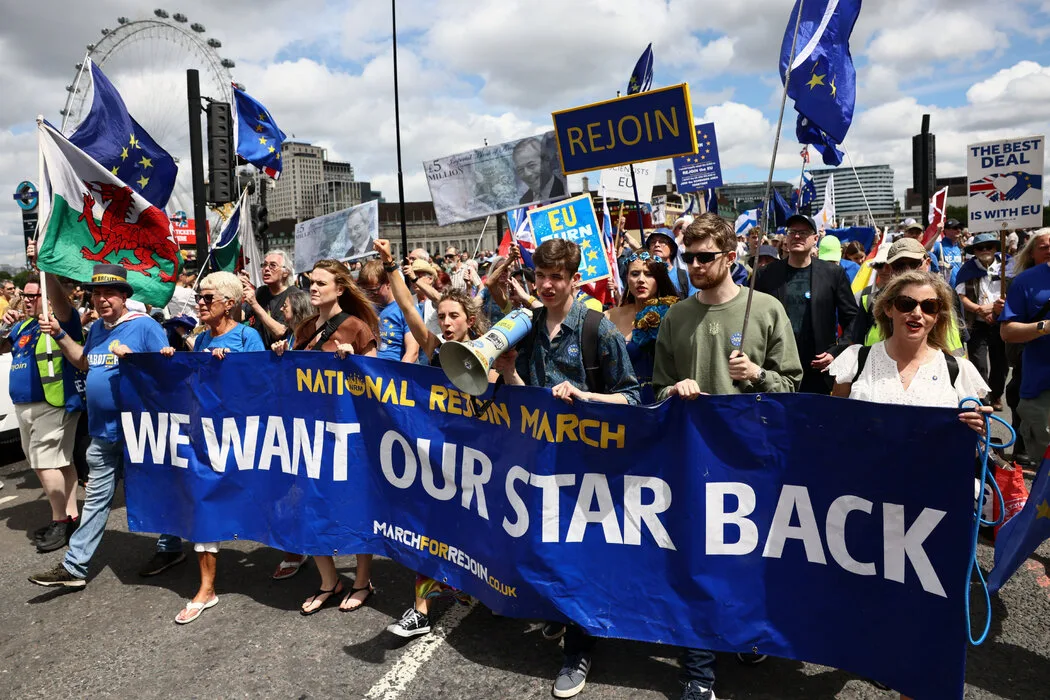
UK service exports to the EU, however, have risen by about 57% since 2016, showing resilience in some sectors despite the adverse trade trends for goods [6]. A 2026 poll found roughly two-thirds of British voters believe Brexit has harmed the country’s economy and increased the cost of living, with 48%-57% now saying Brexit was a mistake and supporting closer ties or even rejoining the EU [7, 1, 4, 8]. UK pollster Luke Tryl said, “A clear majority believe Brexit has failed, even many who voted to leave. Views are split on whether the UK is able to defend itself alone or trust the US as an ally” [4].
Political unrest has remained a constant backdrop since the 2016 vote. Experts describe a cycle of crisis and rapid changes of government, culminating in Starmer’s recent resignation. Starmer himself said, “It is time for different leadership to build unity and face the consequences of Brexit” [1]. The current Labour government seeks closer economic ties with the EU while resisting full acceptance of EU free movement rules [2, 3]. Former EU Brexit negotiator Michel Barnier stressed the EU’s stance, saying, “We must face this situation with respect. The UK will have a new prime minister, and we will work with them. The EU cannot risk dismantling or weakening the single market” [2].
Some EU member states are reevaluating their own Euroscepticism after seeing Brexit’s impact, while political instability and strong Eurosceptic parties also affect countries like France and Germany [2, 3]. EU diplomats indicate openness in principle to UK rejoining if membership conditions are met [8]. Meanwhile, expectations that Brexit would strengthen the UK-US relationship and bring substantial benefits have not materialized as hoped [4].
The UK continues to navigate trade disruptions and political realignments ten years after leaving the EU. With a new prime minister expected soon, the government faces pressure to address economic recovery and clarify its future relationship with Europe.