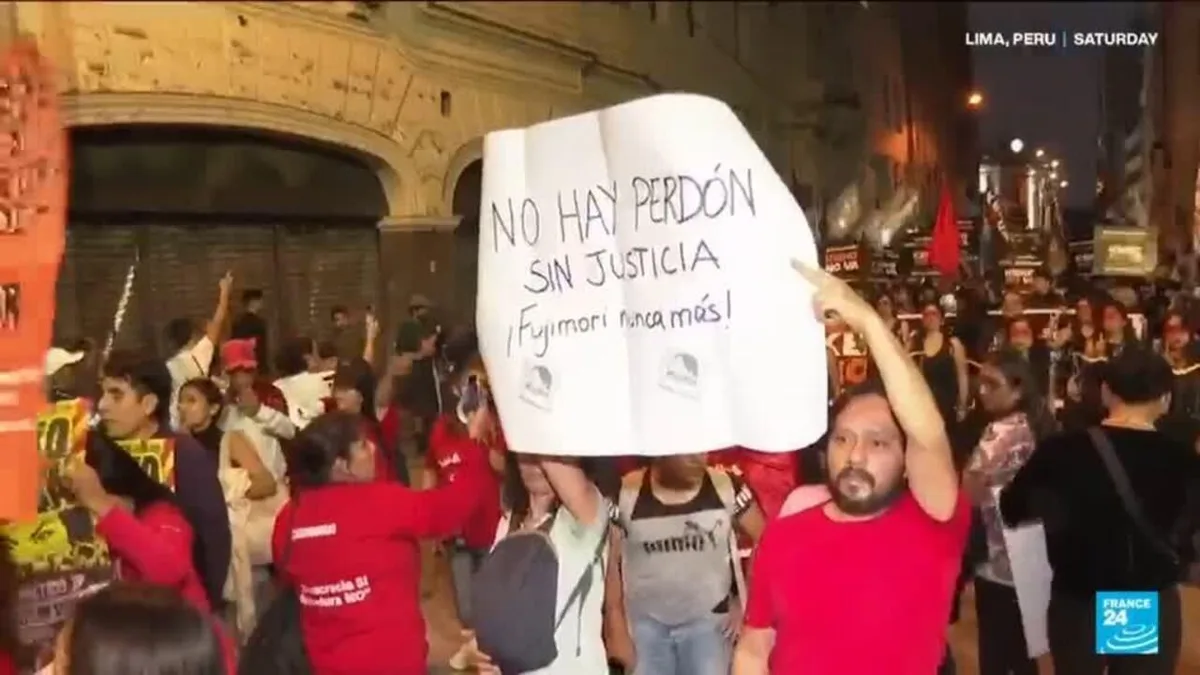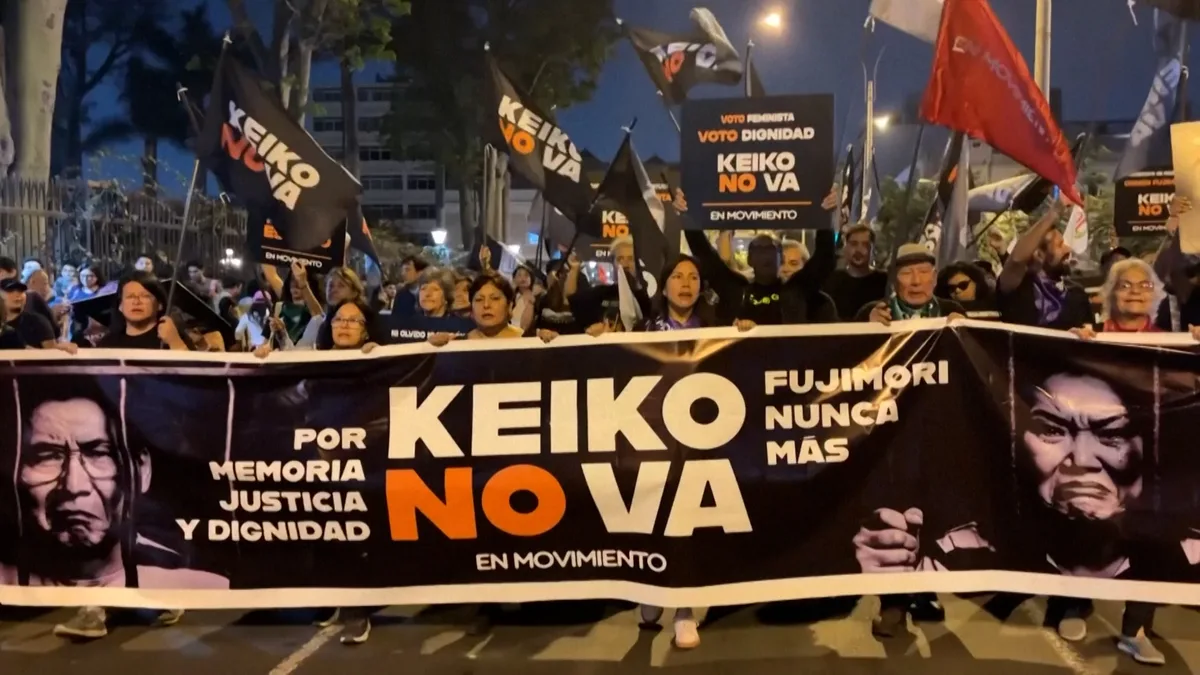
Thousands of protesters gathered in Lima on May 30 to oppose Keiko Fujimori's candidacy for Peru's presidency ahead of the upcoming elections [1, 2]. Keiko Fujimori is the country's most controversial four-time presidential candidate, known largely for her family connection and political legacy [1].
Her father, Alberto Fujimori, served 16 years in prison for crimes against humanity during his presidency in the 1990s [1]. His incarceration remains deeply divisive in Peru, fueling strong opposition to his daughter's political ambitions.
The protests in the capital reflected widespread unease among citizens who associate Keiko Fujimori with her father's authoritarian rule and human rights abuses. Demonstrators rallied peacefully to express their rejection of her presidential bid [1, 2].
No major incidents were reported during the demonstrations, which attracted thousands of people from various social groups and political backgrounds. The protests underscored the continuing polarization in Peru's political landscape ahead of the elections scheduled later this year.
Keiko Fujimori’s campaign continues despite the public backlash, emphasizing her political resilience amid controversy. The election is set to be a critical moment for Peru’s democracy, with several candidates competing for the presidency.
Authorities have said they will monitor the electoral process closely to ensure security and fairness in the lead-up to voting. The next major election events will unfold over the coming months as candidates finalize their platforms and campaigning intensifies.