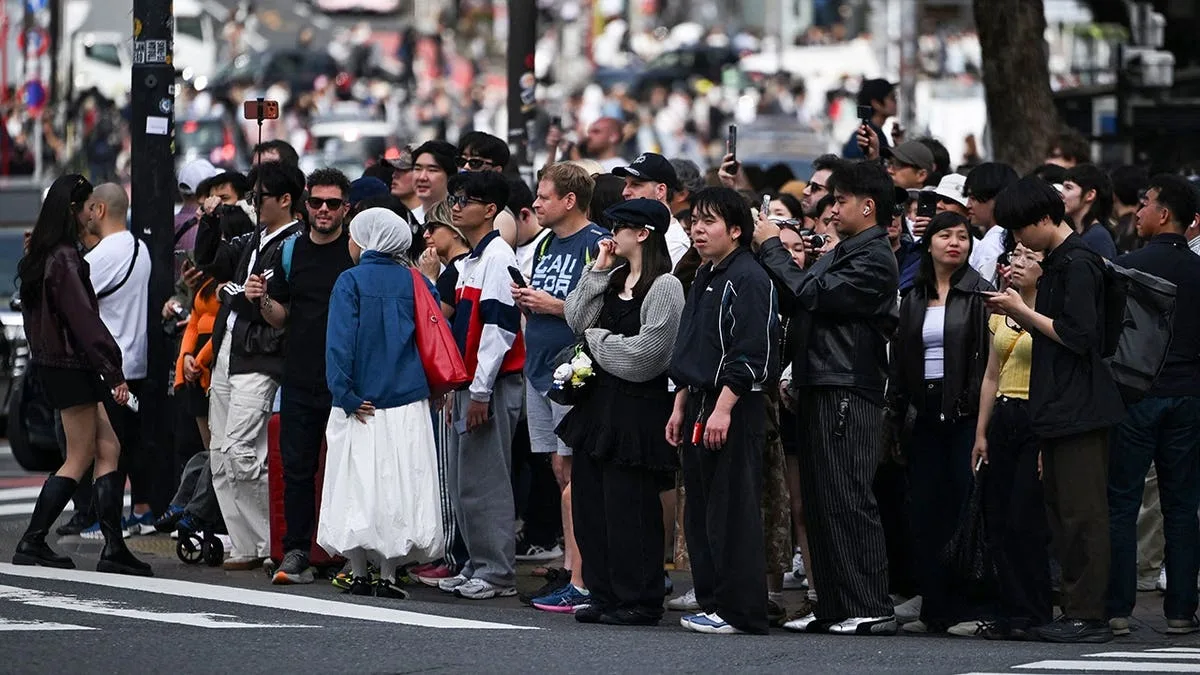
Shibuya Ward in Tokyo started enforcing on-the-spot fines of 2,000 yen (about $13) for littering in public areas on June 1, 2026, as tourism-related litter increased [1, 2].
About 50 officials patrol neighborhoods daily to catch litterbugs. These officers include multilingual staff who speak English, Chinese, and Korean to interact effectively with foreign visitors [1, 2]. Fines can be paid via cash, credit cards, or QR codes [1, 2]. Authorities also issue fines to food and beverage shop operators who fail to provide waste bins in designated districts [1].
The fine system responds to overtourism challenges that intensified after Japan welcomed a record 42.7 million foreign visitors in 2025 [1, 2]. Shibuya is a popular commercial and entertainment hub known for the Shibuya Crossing and sees daytime visitor numbers more than double its resident population of approximately 240,000 [2].
Shibuya Ward officials said, "We cannot tolerate littering simply because there are no rubbish bins. We ask for your cooperation in creating a city where everyone can enjoy themselves comfortably" [1]. Many public rubbish bins remain scarce in Japan due to safety concerns from past terror attacks, which also creates inconvenience for tourists [1].
Shibuya Mayor Ken Hasebe said the city aims to "balance vibrancy and urban environment protection," urging visitors to follow rules. He added, "Shibuya is an international city visited by many people in Japan and from around the world. We must … fulfill our responsibility to protect the urban environment" and asked everyone to respect city rules regardless of nationality [2].
The littering fines are part of wider measures by Japan aimed at managing tourism impacts. These include plans to triple the international tourist tax from 1,000 yen (about $6) to 3,000 yen (around $18) and the deployment of crowd-control smartphone apps [1, 2].
The next step involves continued enforcement by the 50 patrol officers covering Shibuya’s commercial and entertainment districts to maintain order as visitor numbers rise [1].