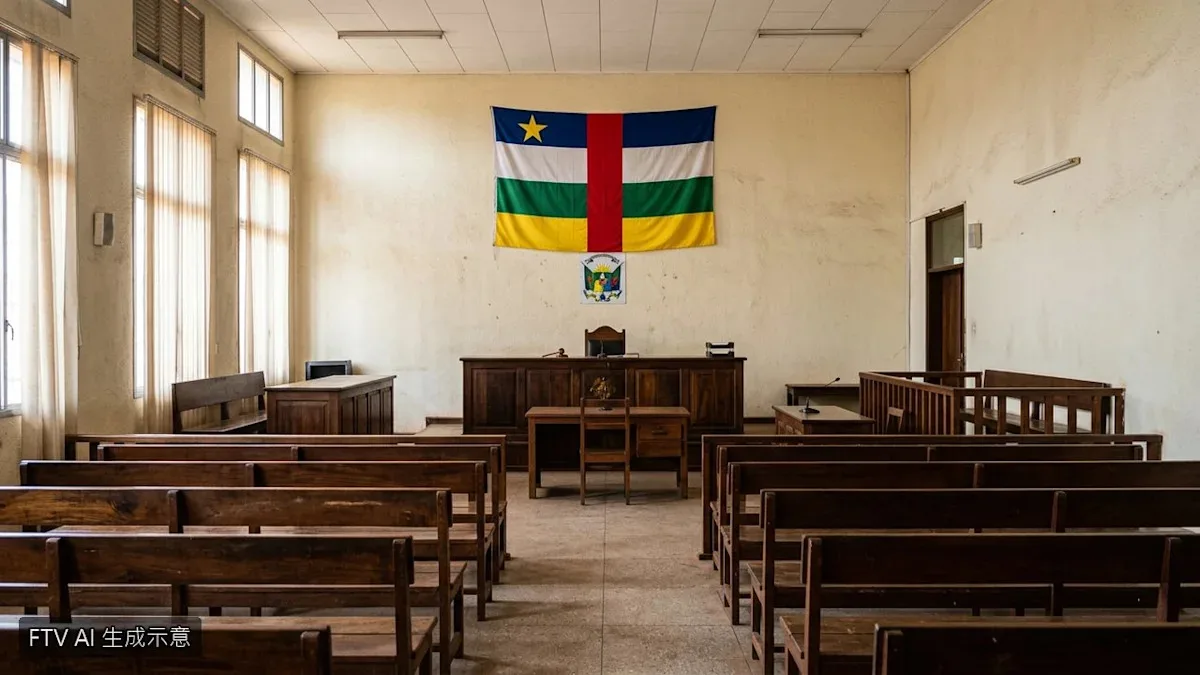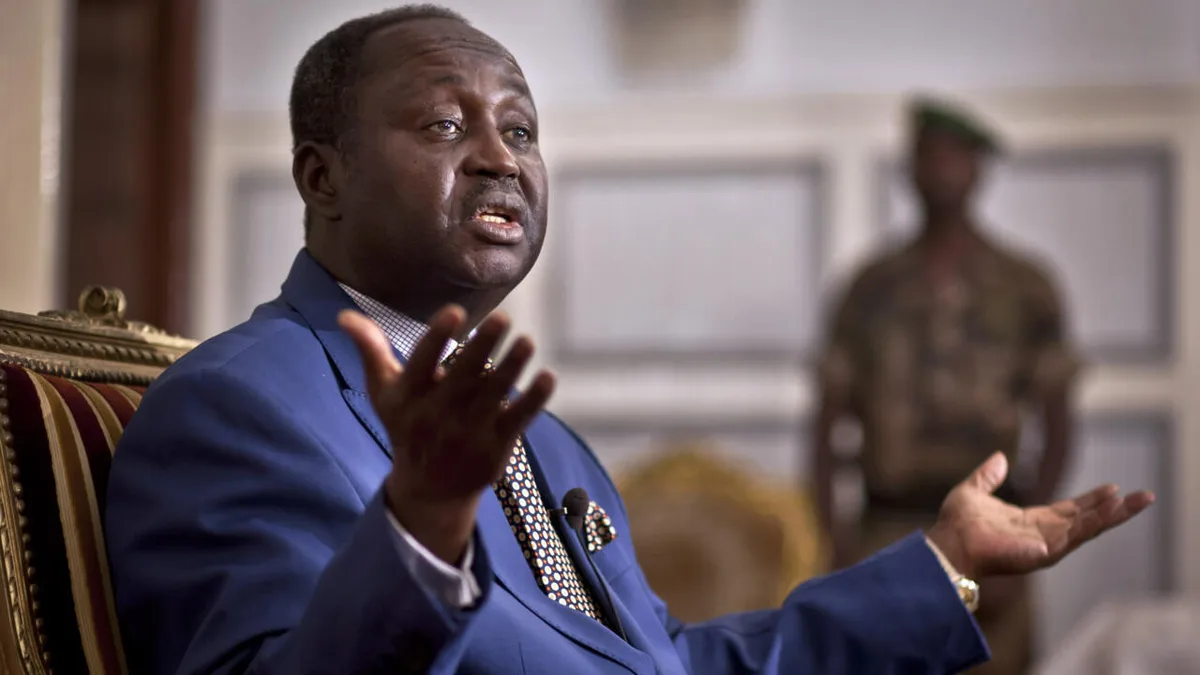
The UN-backed Special Criminal Court (SCC) in Bangui began the trial in absentia of former Central African Republic president François Bozizé on June 16, 2026. Bozizé faces charges of crimes against humanity committed by his security forces between 2009 and 2013, including murder, enforced disappearances, torture, and rape [1, 2].
Bozizé, 79, initially seized power in 2003 through a coup before being overthrown in 2013 by a rebel coalition predominantly composed of Muslim groups. Since March 2023, he has lived in exile in Guinea-Bissau [1, 2].
The SCC, headquartered in Bangui, has both Central African and foreign judges. It was set up to investigate war crimes committed since 2003 and issued an international arrest warrant for Bozizé in February 2024 related to atrocities by his Presidential Guard at a prison and military training center in Bossembele [1, 2].
Following his 2013 ouster, Bozizé formed Christian and animist militias known as anti-Balakas. These militias, along with opposing groups, were responsible for thousands of civilian deaths and numerous alleged war crimes during the conflict [1, 2].
Three of Bozizé's former senior military officers—Eugene Barret Ngaikosset, Vianney Semndiro, and Firmin Junior Danboy—are currently held in pre-trial detention in the Central African Republic [1, 2].
In 2020, Bozizé led a new rebel alliance that challenged the government before it was pushed back with the help of Russian Wagner mercenaries. He was previously sentenced to life hard labor in 2022 for rebellion and murder [2].
The trial continues amid persistent instability in the Central African Republic, with the SCC pursuing accountability for abuses. Further proceedings will follow the current session as the court hears evidence against Bozizé and his associates [1, 2].