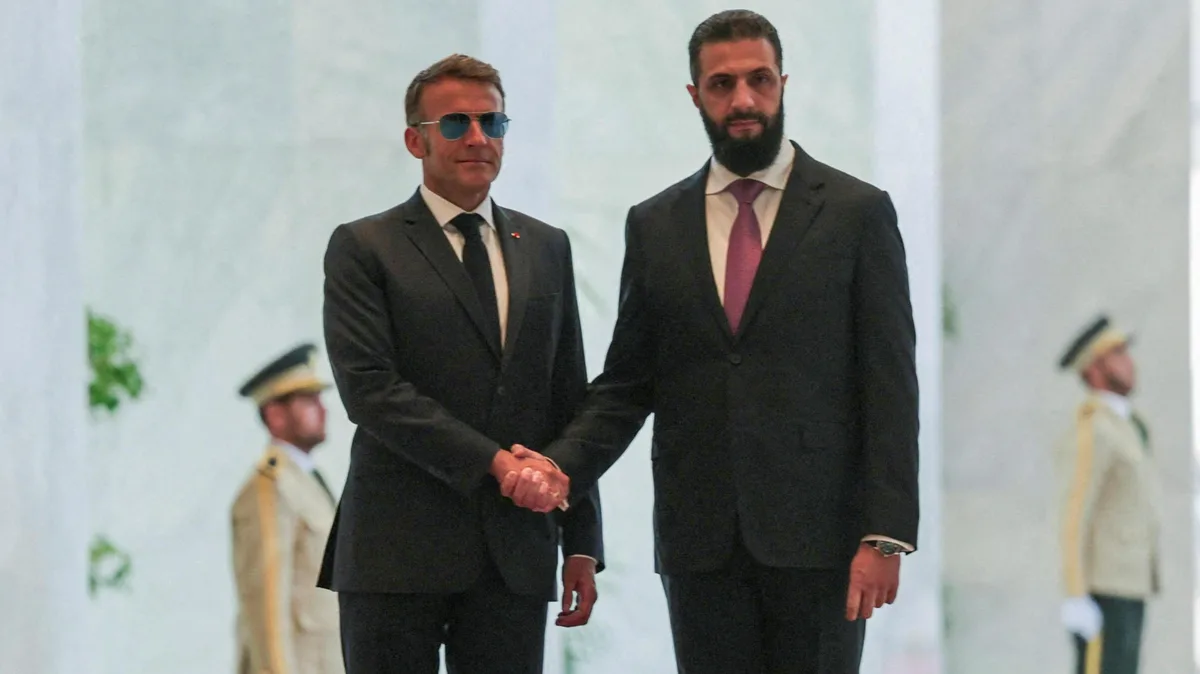
French President Emmanuel Macron visited Damascus on July 6-7, becoming the first Western European leader to visit Syria since Ahmed al-Sharaa took power in December 2024, after the toppling of Bashar al-Assad's 24-year rule [1, 2, 3, 4, 5].
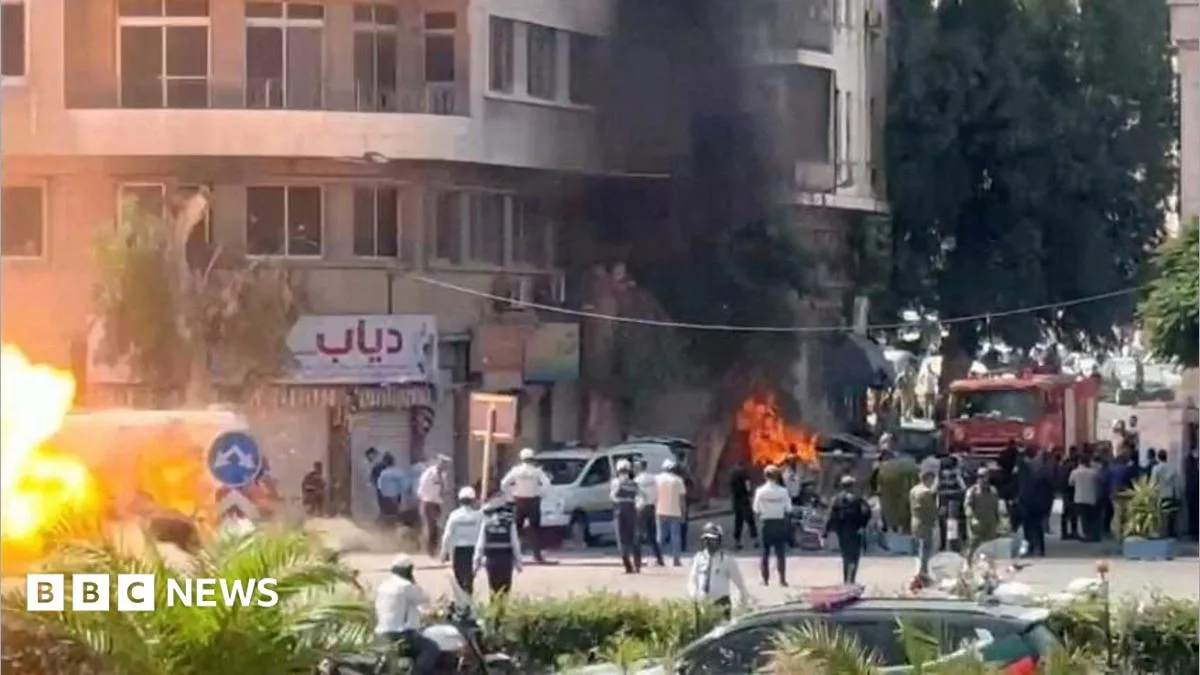
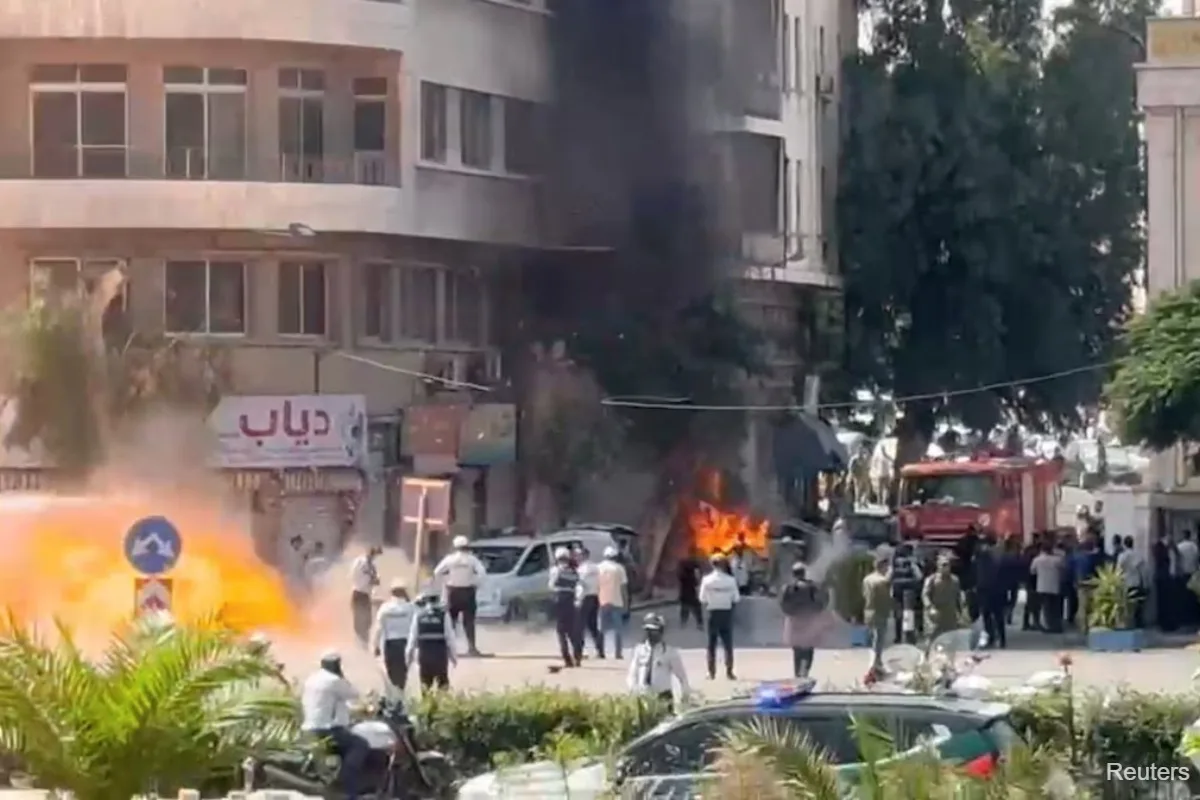
During Macron's visit, two explosive devices detonated approximately 125 meters from the Four Seasons hotel in central Damascus on Shoukry al-Quowatly street, a major thoroughfare, where he was reported to have stayed. The blasts wounded at least 18 people but did not injure Macron, who was meeting President Ahmed al-Sharaa at the presidential palace at the time and did not hear the explosions [1, 6, 7, 8, 9, 10].
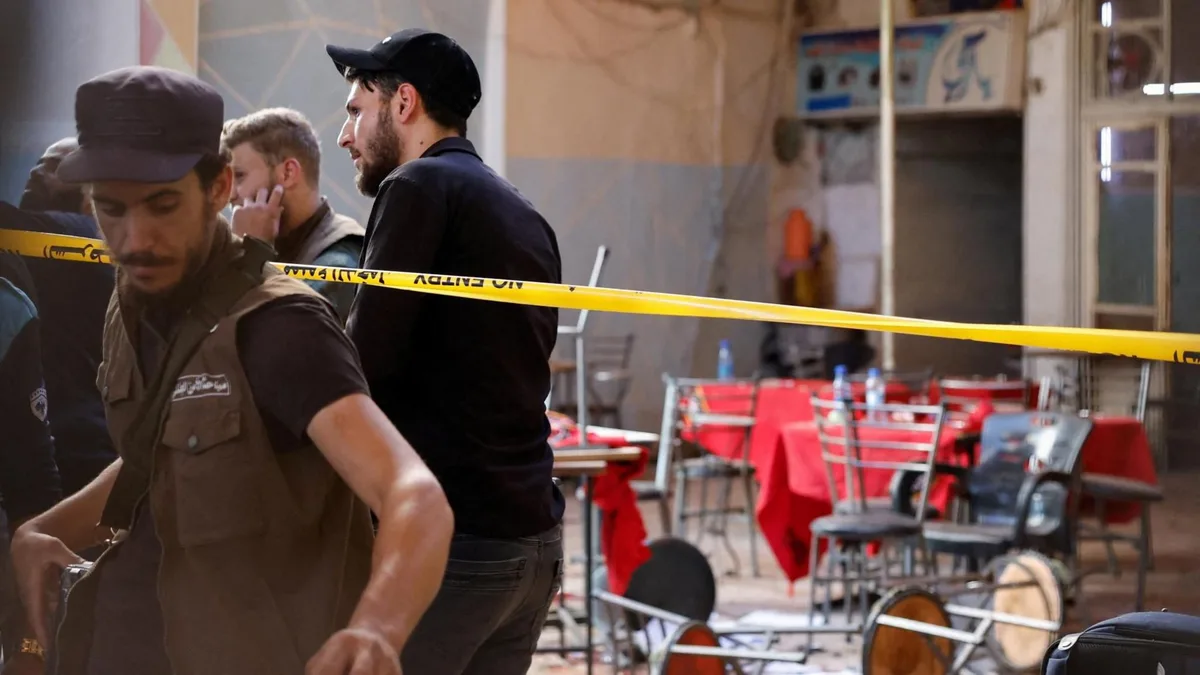
Officials said the attacks did not disrupt Macron’s visit schedule or meetings, and the visit continued as planned [1, 7, 8, 9, 10]. The explosions underscore continuing security challenges in Syria following a deadly bombing at a Damascus cafe on July 2 or 3 that killed at least 9-10 people and injured more than 20 [1, 2, 8, 4, 5].
Macron was accompanied by a delegation of business leaders and investors aiming to sign agreements to help rebuild Syria’s economy under al-Sharaa’s government, which is seeking normalization with Western countries [2, 7, 8, 9, 3, 4, 5]. Macron posted on social media that "Nothing can undermine the desire of Syrians to live in a fully sovereign and secure Syria," and said he came "to express France's commitment to the Syrian people. For a sovereign Syria, united in its diversity and at peace with its neighbors" [9, 3, 4].
Ahmed al-Sharaa is a former Islamist militant leader who seized power in December 2024 and is now trying to rebuild Syria with Western support [2, 7, 8, 3, 4]. Macron’s visit follows 2025 visits by Qatar’s Emir Sheikh Tamim bin Hamad Al-Thani, European Commission chief Ursula von der Leyen, and Ukraine’s President Volodymyr Zelenskyy to Damascus [2, 3, 5].
Macron’s arrival in Damascus marked the first French presidential visit in 17 years, since 2009 [1, 4].
The next steps are expected to include signing economic agreements during the ongoing diplomatic engagement aimed at rebuilding Syria’s economy and stabilizing relations with the West [2, 8, 9].