Outgoing UK Prime Minister Keir Starmer announced a Defence Investment Plan on July 1 committing an additional £15 billion over four years to modernise and rebuild the armed forces, raising total defence spending to about 2.7% of GDP by 2030 [1, 2, 3, 4, 5]. The plan, costing £298 billion over four years, includes investments in nuclear submarines, fighter jets, drones, and ammunition stocks [2, 5].
Documents released the same day revealed a £4.7 billion funding gap within the plan. This shortfall must be found in a future budget, likely the next budget under the expected new Prime Minister Andy Burnham [1, 2, 3, 4, 5]. The gap breaks down to roughly £1.2 billion per year across the four-year plan and will require spending cuts, tax hikes, or borrowing [1, 5].
The planned defence spending target falls short of NATO guidelines, which call for 3% of GDP by 2030 and 3.5% by 2035. Critics, including opposition politicians and former military chiefs, have cited the plan’s failure to clearly outline when UK spending will meet these benchmarks [1, 3]. Treasury officials have flagged the funding shortfall as a major fiscal pressure, while the Institute for Fiscal Studies warned it will force tough budget decisions for the next government [1, 5].
Minister of Defence Procurement Luke Pollard said it is common for governments to announce spending plans before finalising details. "It's not unusual for governments to make announcements saying this is what we'll spend, and then to complete the details of that at the next budget," he stated. Pollard added that he expected Burnham to take national security seriously if he becomes prime minister [1, 3].
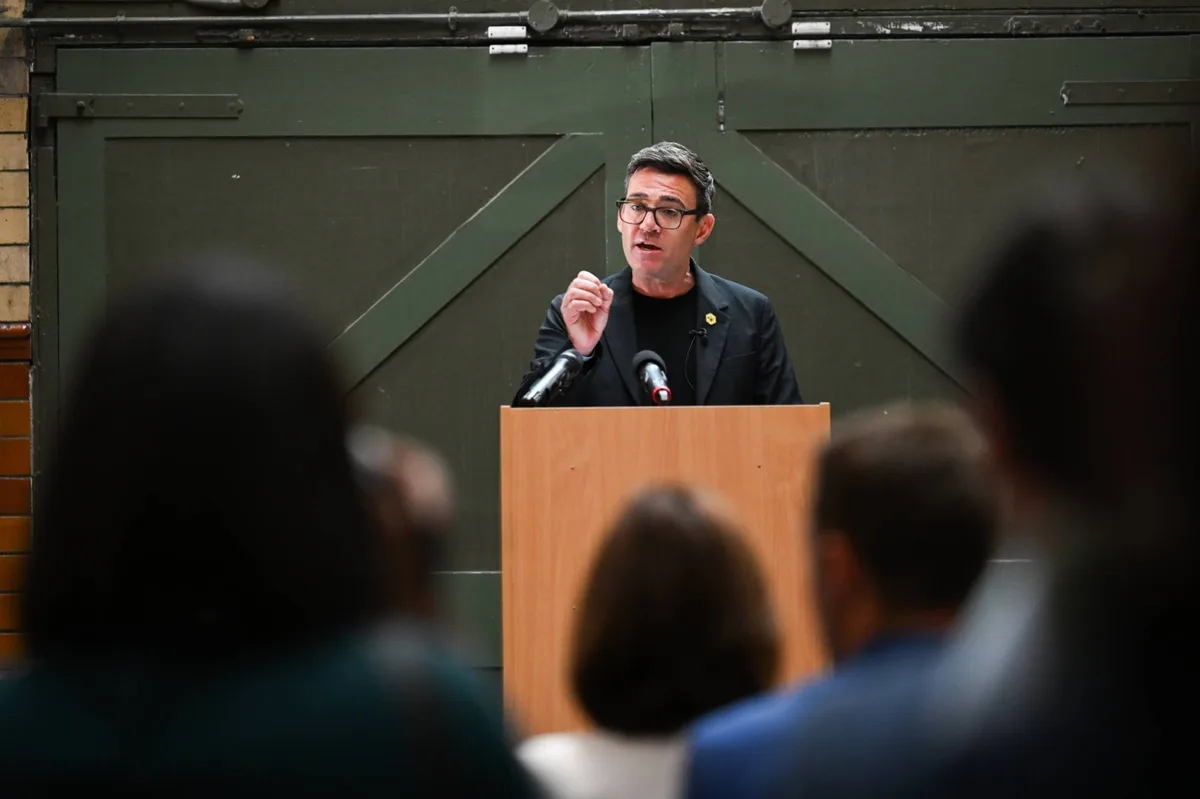
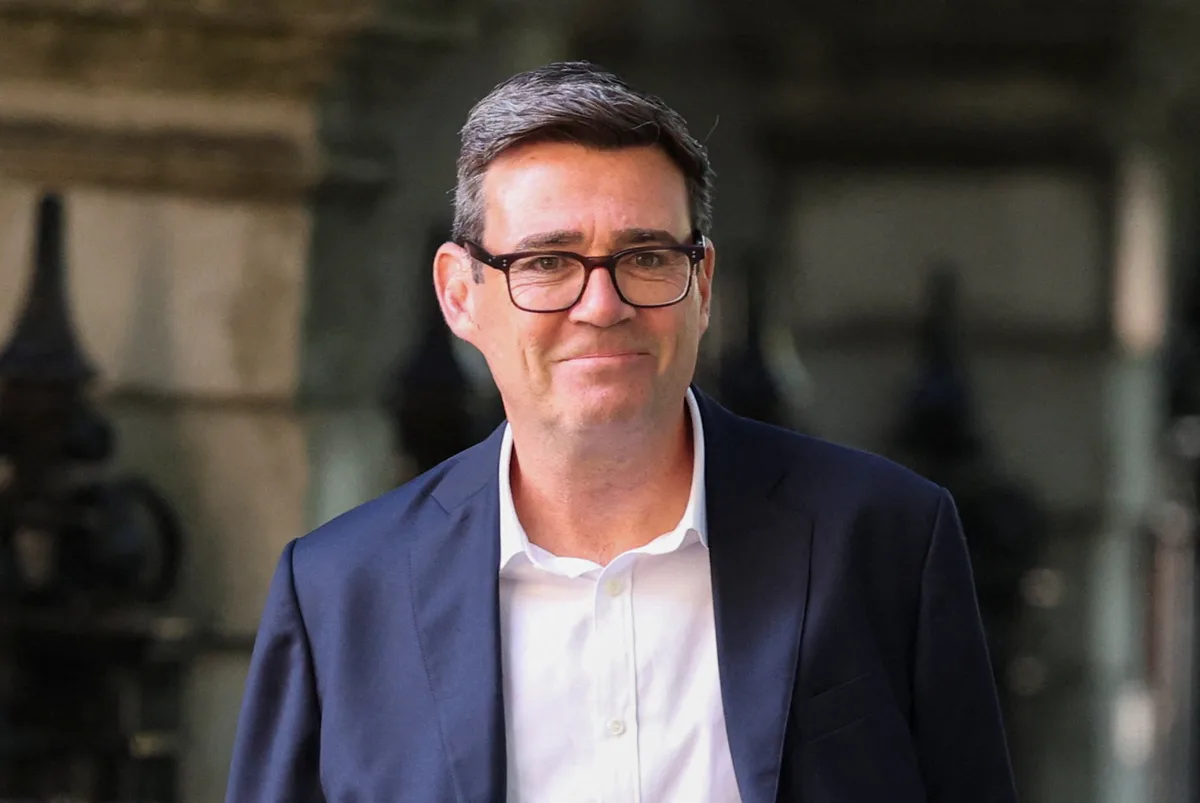
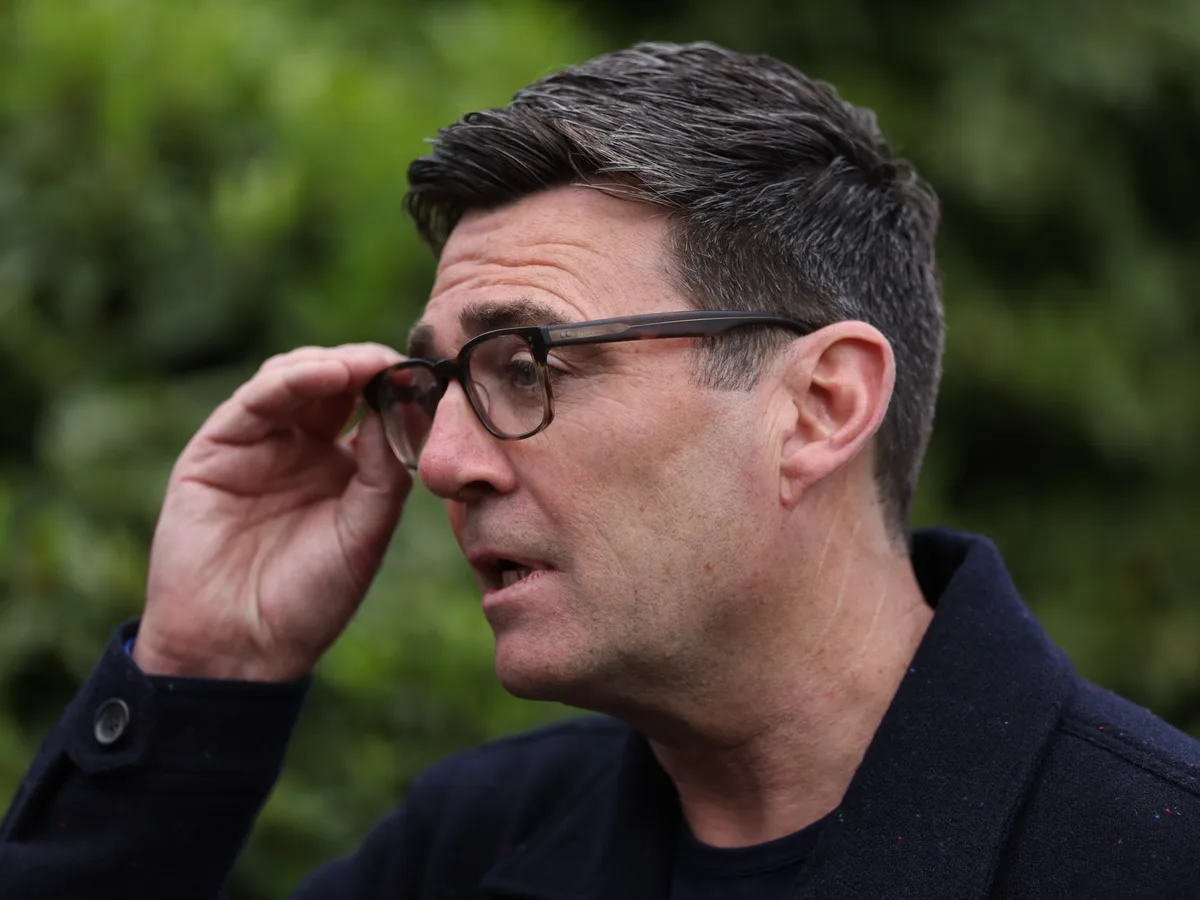
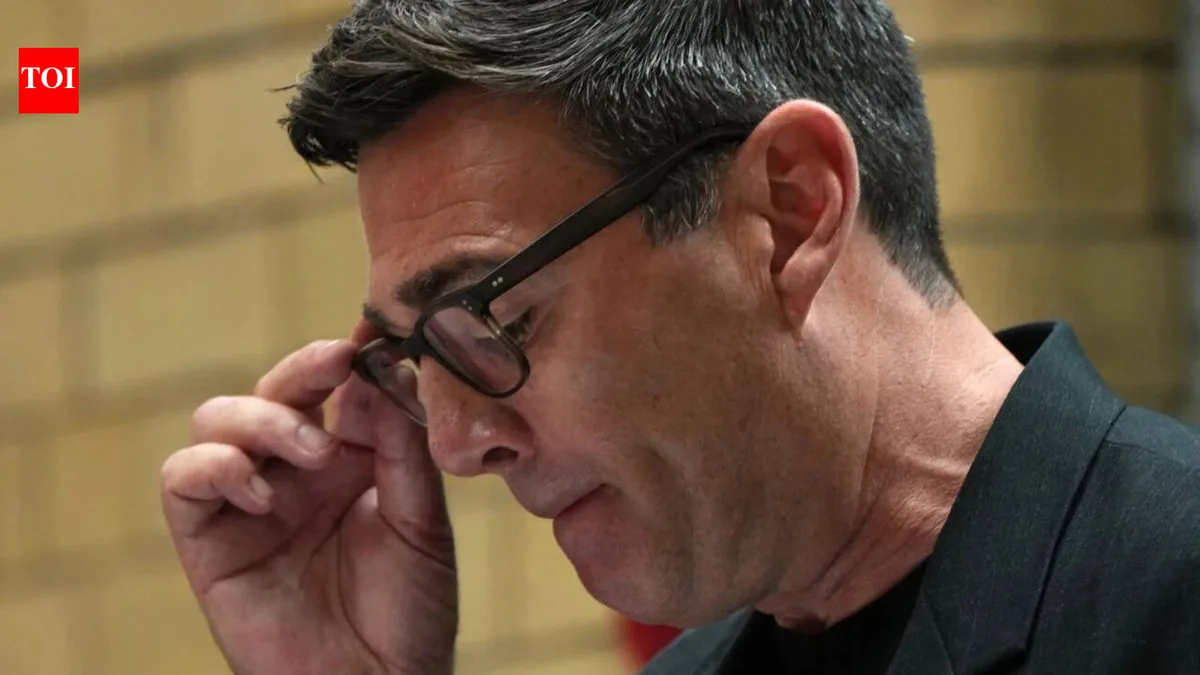
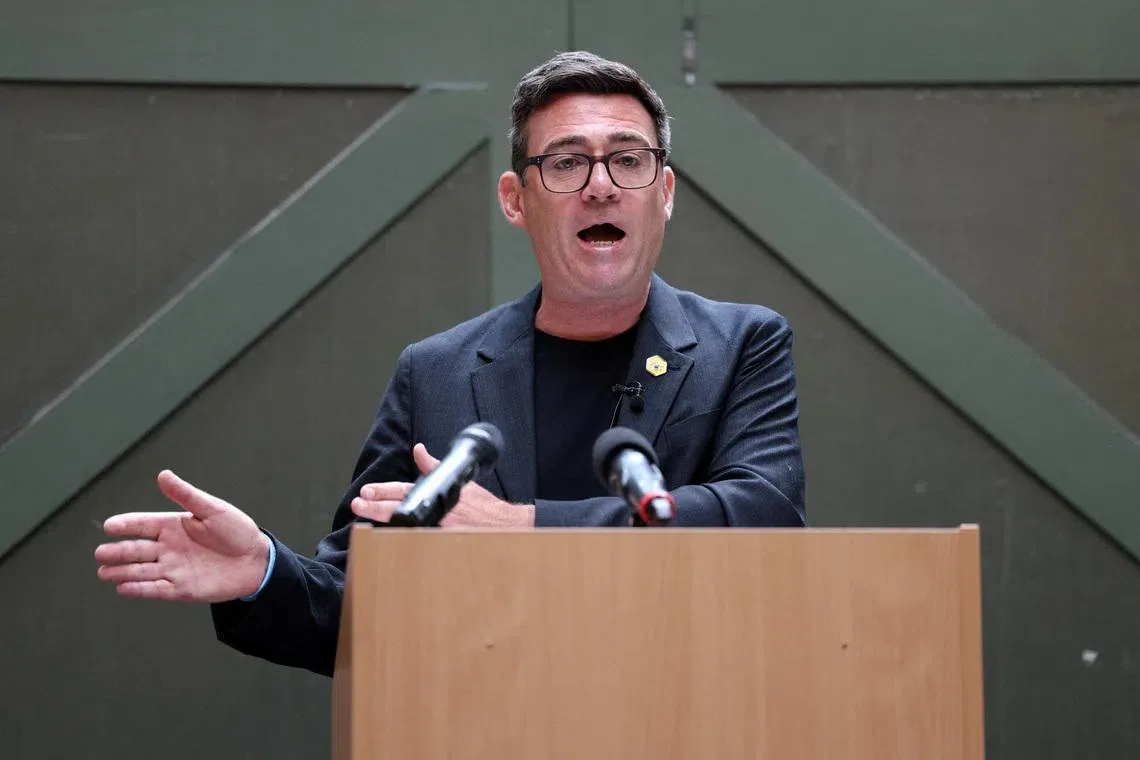
Andy Burnham publicly committed on July 2 to fully fund the defence investment plan if he assumes office. He rejected the idea of crude cuts to welfare benefits as a funding method, instead advocating long-term social policies such as building council homes and supporting youth education. "What I can say to you tonight is I will take my responsibilities fully to fund the defence investment plan," Burnham declared. "I'm not going to go with the crude cuts to benefit levels that then just put people who are struggling in even worse poverty," he added [3, 4].
The key next step is for Burnham’s government to finalize funding strategies for the £4.7 billion gap in their upcoming budget, balancing national security priorities with broader fiscal constraints.