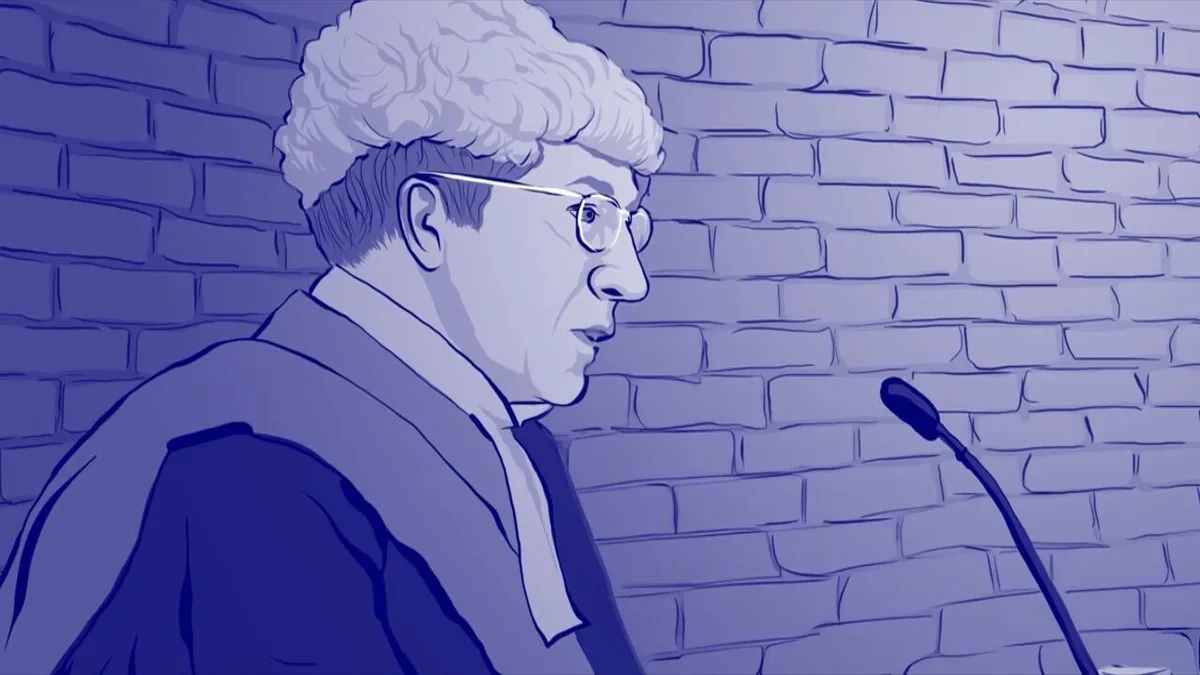
A UK judge sentenced three teenage boys convicted of raping two girls without imposing any prison sentences, drawing widespread anger across the country [1, 2]. The judge ruled that the boys should not receive custodial sentences to avoid unnecessary criminal convictions, citing one boy’s IQ in the lowest 1% and his ADHD diagnosis, another’s ADHD and long-term anxiety, and the third’s mild cognitive impairment [2]. Two boys, aged 14 at the time and now 15, received three-year youth rehabilitation orders and 180 days of intensive supervision, while a third boy, aged 13 then, was given an 18-month youth rehabilitation order for aiding and abetting [2].
The assaults were severe. One 15-year-old victim was raped by two boys near a riverbank underground tunnel for about 90 minutes, with the assault filmed and shared on social media [2]. The second victim, aged 14, was threatened with a knife, forced to leave her phone and an AirTag behind to prevent being tracked, taken to a remote field, raped by two boys, and recorded [2].
Victims and survivor advocates sharply criticized the ruling. One victim said the verdict "felt like a cold stone hitting my face" [2]. Survivor Gisèle Pelicot told reporters the judiciary “must punish crimes and acknowledge victims’ pain; criminals must not walk free” [2]. Prime Minister Rishi Sunak called the sentence “painful and horrifying,” expressing sympathy as both a politician and father [2].
In response, the UK Attorney General referred the sentencing decision to the Court of Appeal for review on May 26 [2]. The case has sparked nationwide protests and strong public backlash [1, 2]. The Court of Appeal's review will determine whether the sentencing decision will be overturned or upheld.