The UK government declared on July 13, 2026, its intent to designate Iran's Islamic Revolutionary Guard Corps (IRGC) and the Islamic Movement of Companions of the Right (IMCR) as terrorist organisations under the National Security (State Threats) Act 2026 [1, 2, 3]. This designation grants UK authorities powers to criminalise support or assistance to these groups, with penalties including up to 14 years in prison or life sentences for sabotage related to their activities [1, 4, 5, 6].
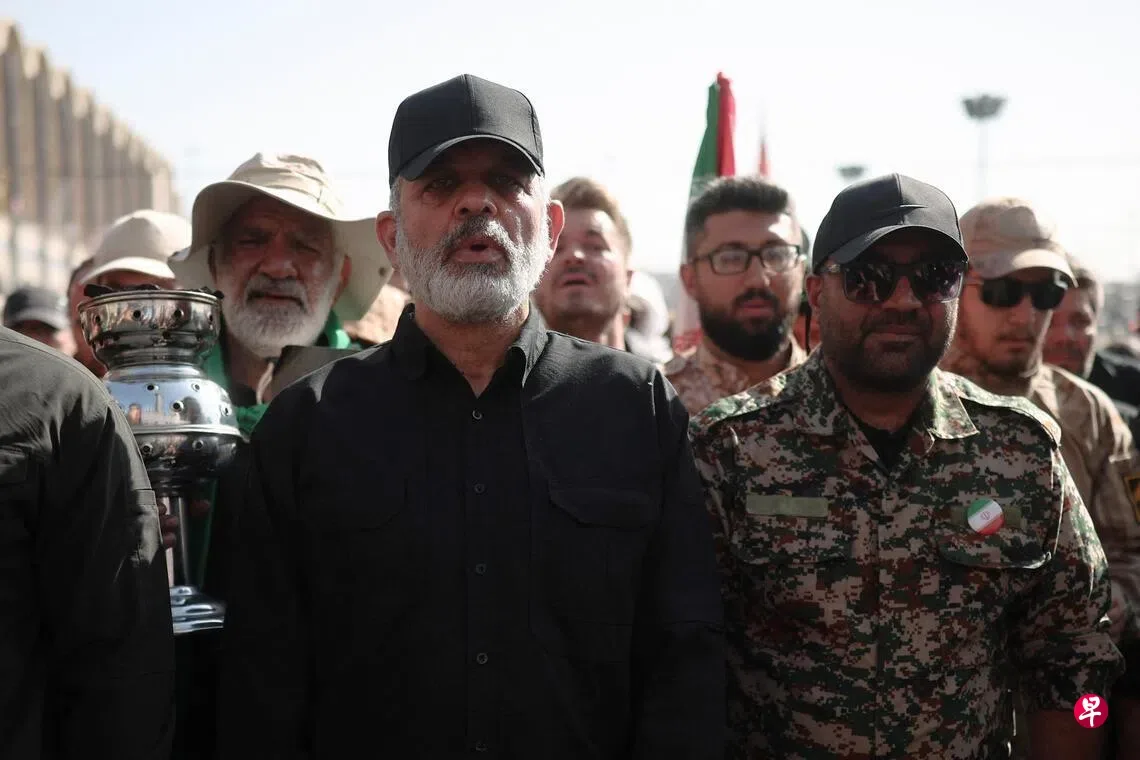
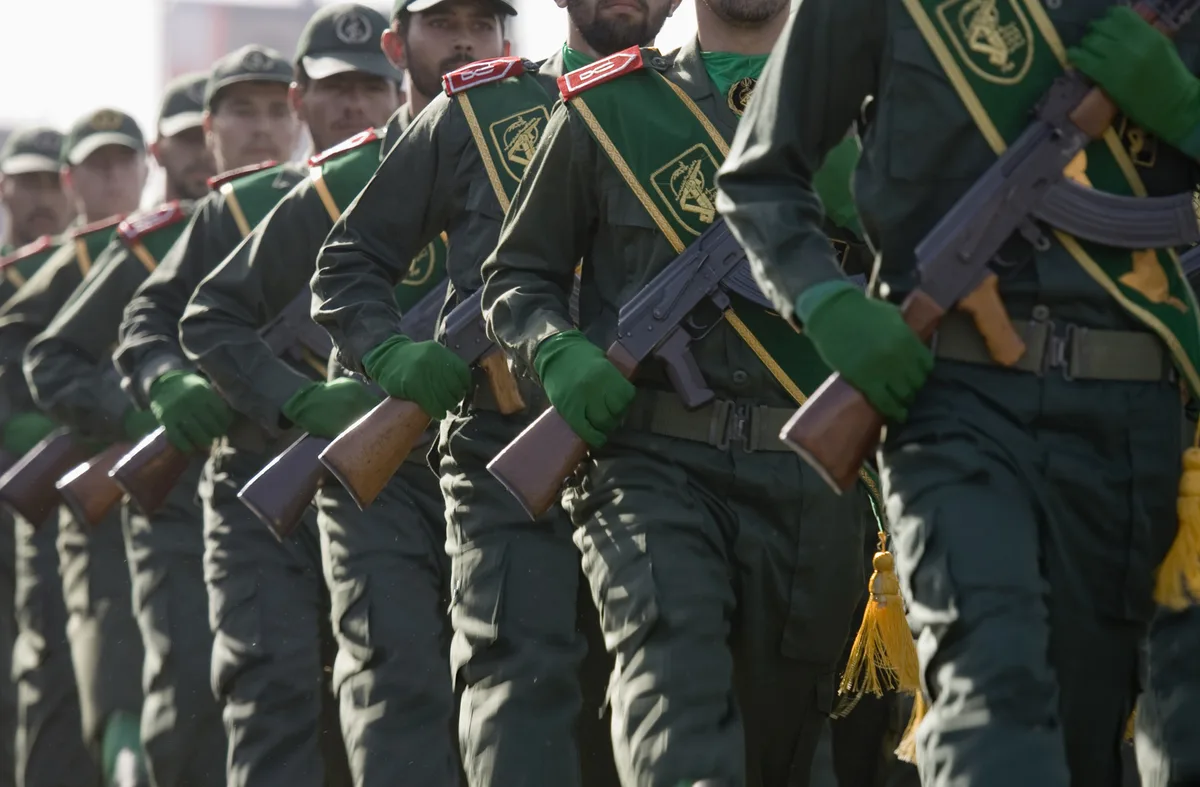
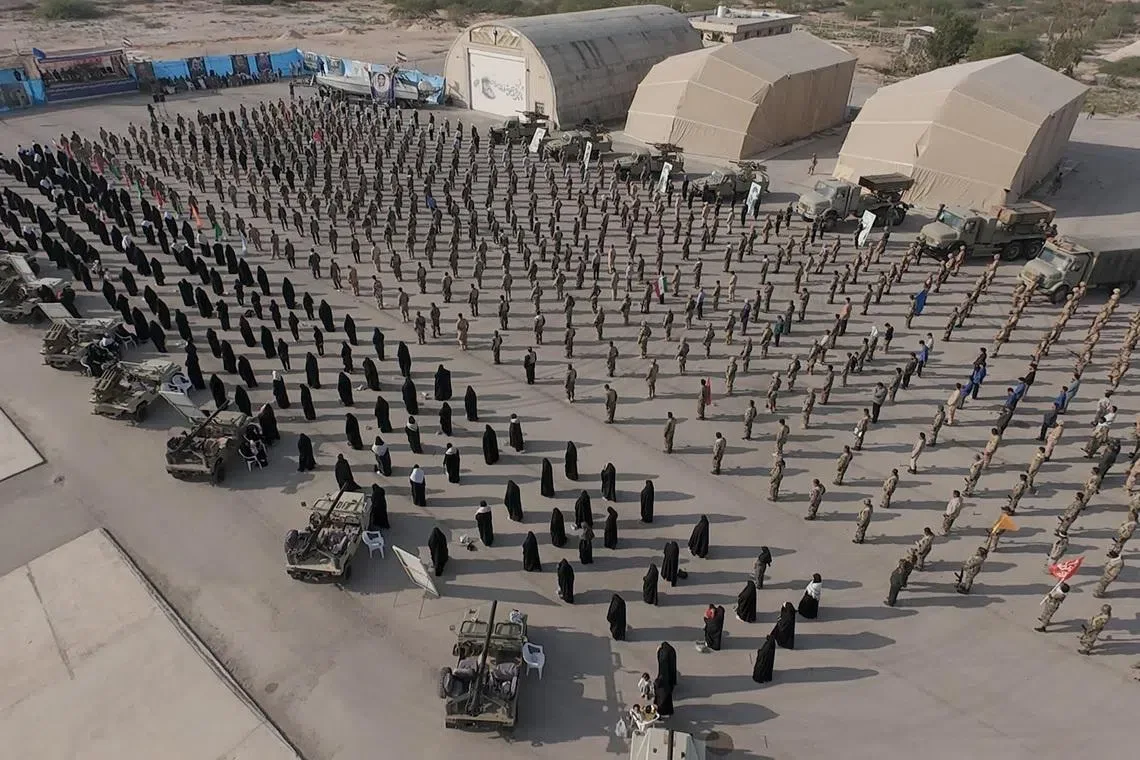
The IRGC is an elite military force formed after Iran’s 1979 Islamic Revolution. It answers directly to Iran’s Supreme Leader and wields significant influence in the country’s political and economic spheres [1, 7, 3]. The IMCR is an Iran-linked proxy group that British officials accuse of carrying out seven antisemitic attacks in the UK alone. These attacks targeted Jewish communities, Israeli-linked sites, and Persian-language media critical of Iran [1, 2, 8, 6].
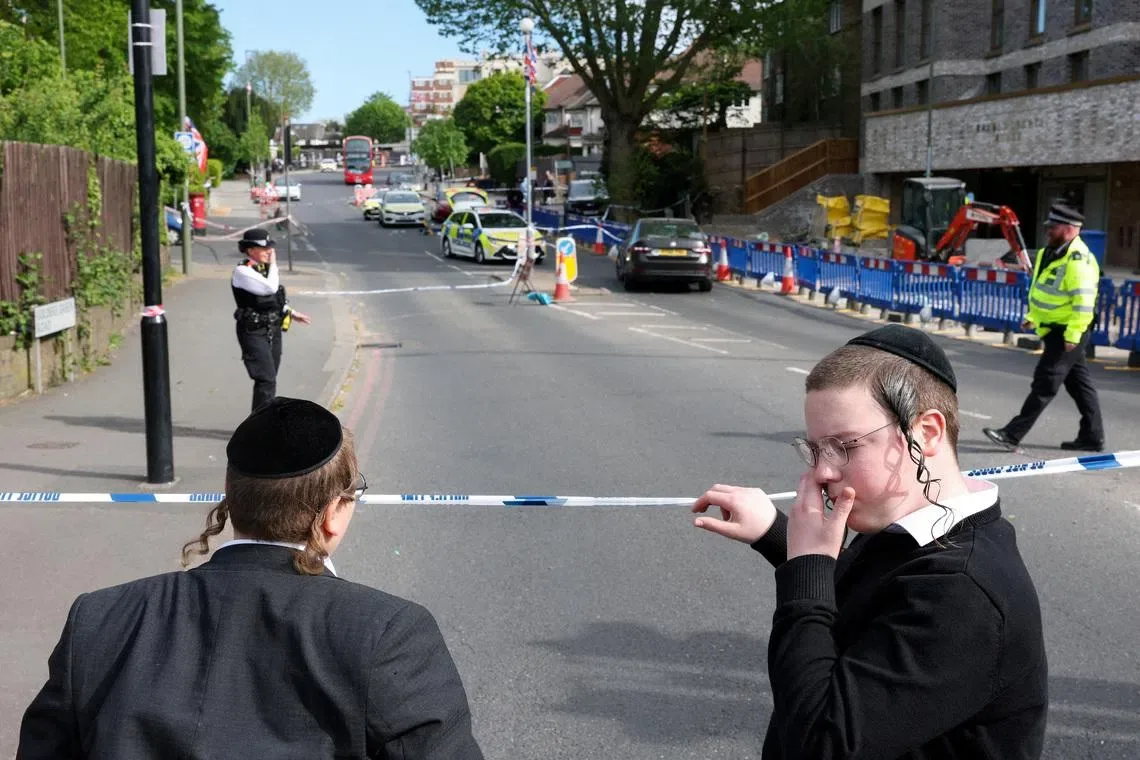
Among the attacks attributed to IMCR are the arson of four Jewish community ambulances in Golders Green, London, which occurred on March 23 this year [1, 8, 3], as well as fires at synagogues and explosions at Jewish schools in Belgium and the Netherlands [1, 2]. British officials also state the IRGC’s Qods Force almost certainly directed the IMCR’s actions across Europe [2, 3, 6].
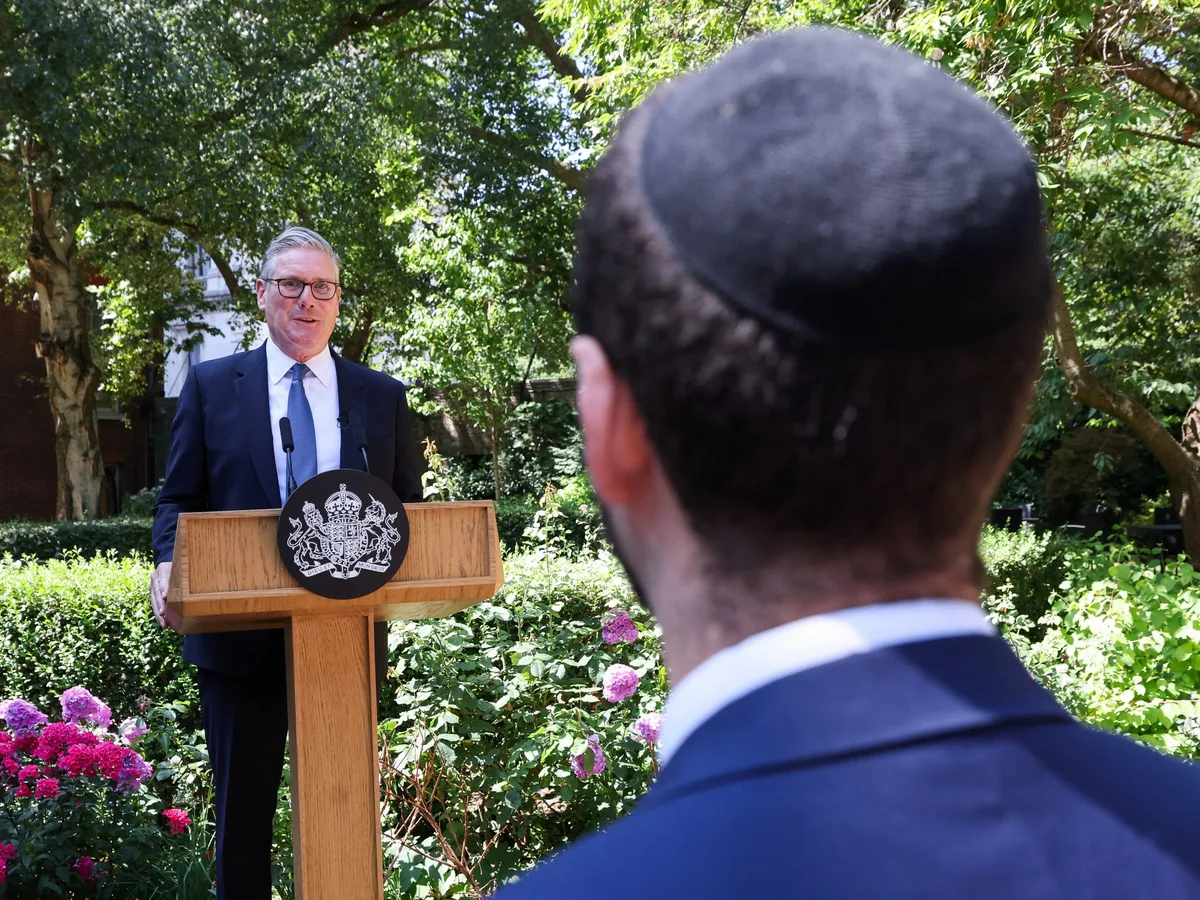
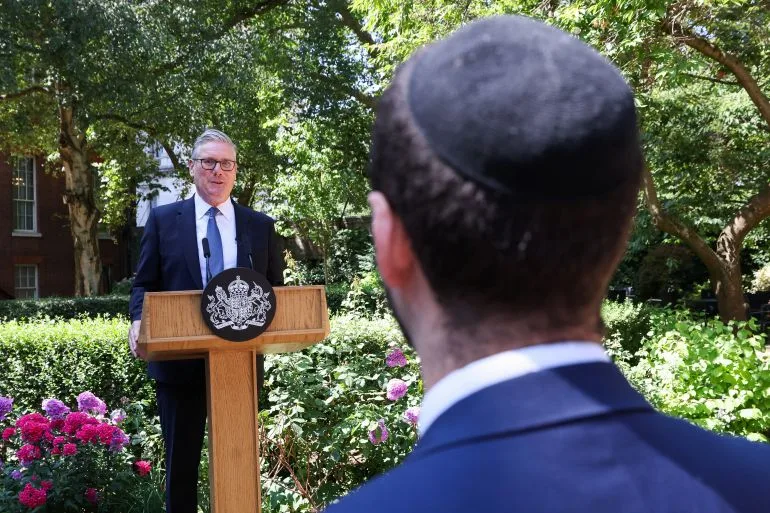
Prime Minister Keir Starmer said, “These new powers will make it easier to prosecute and lock up anyone carrying out their dirty work here in Britain.” He added, “We will never let Britain be a playground for states who want to spread fear, division and violence on our streets.” [1, 2] Security Minister Angela Eagle noted that the home secretary believes there is sufficient evidence that these groups “are engaged in foreign power threat activity.” [3]
Home Secretary Shabana Mahmood accused Iran and Russia of using proxies for hostile operations within the UK, stating, “Iran and Russia are using proxies and thugs to do their dirty work on our shores.” Alongside the Iranian groups, the UK has also designated Russia’s GRU Volunteer Corps as a terrorist organisation under the same legislation [6, 1].
Iran condemned the UK’s designation of the IRGC as “unjustified and irresponsible,” calling it a violation of international law including the principles of sovereign equality and non-interference. Tehran vowed political, legal, and diplomatic consequences [9, 10]. On July 15, Iran summoned the British ambassador in Tehran to protest and warned of reciprocal responses [10].
The UK’s terrorist group designations require parliamentary approval before taking full effect [1, 4]. Lawmakers will now consider the government's proposals in the coming weeks.