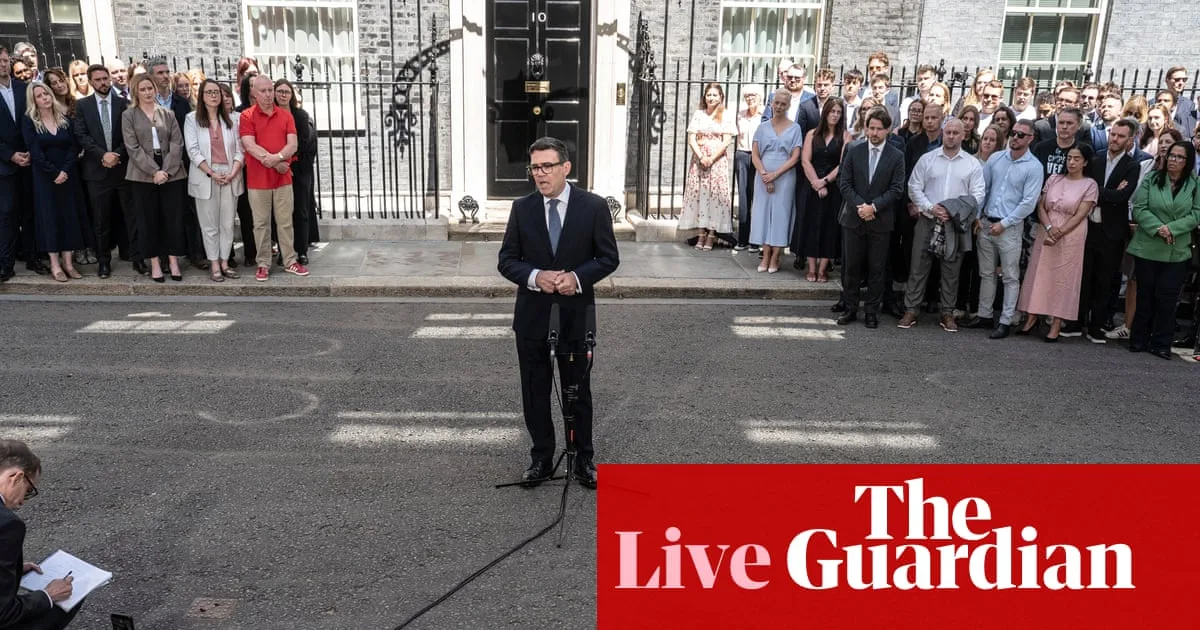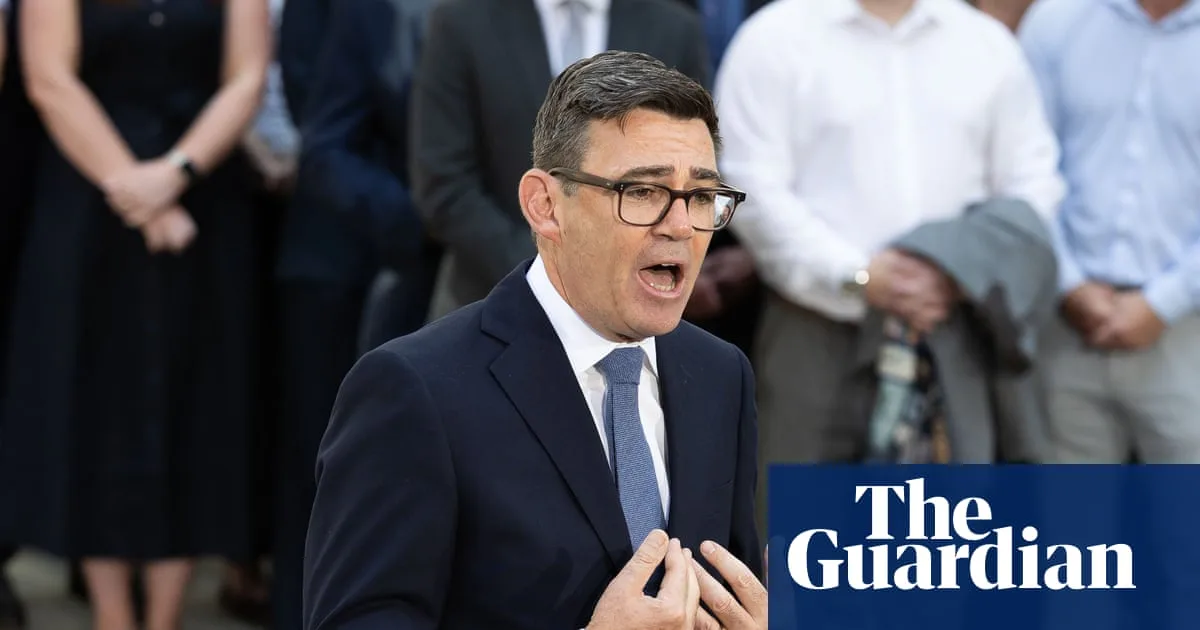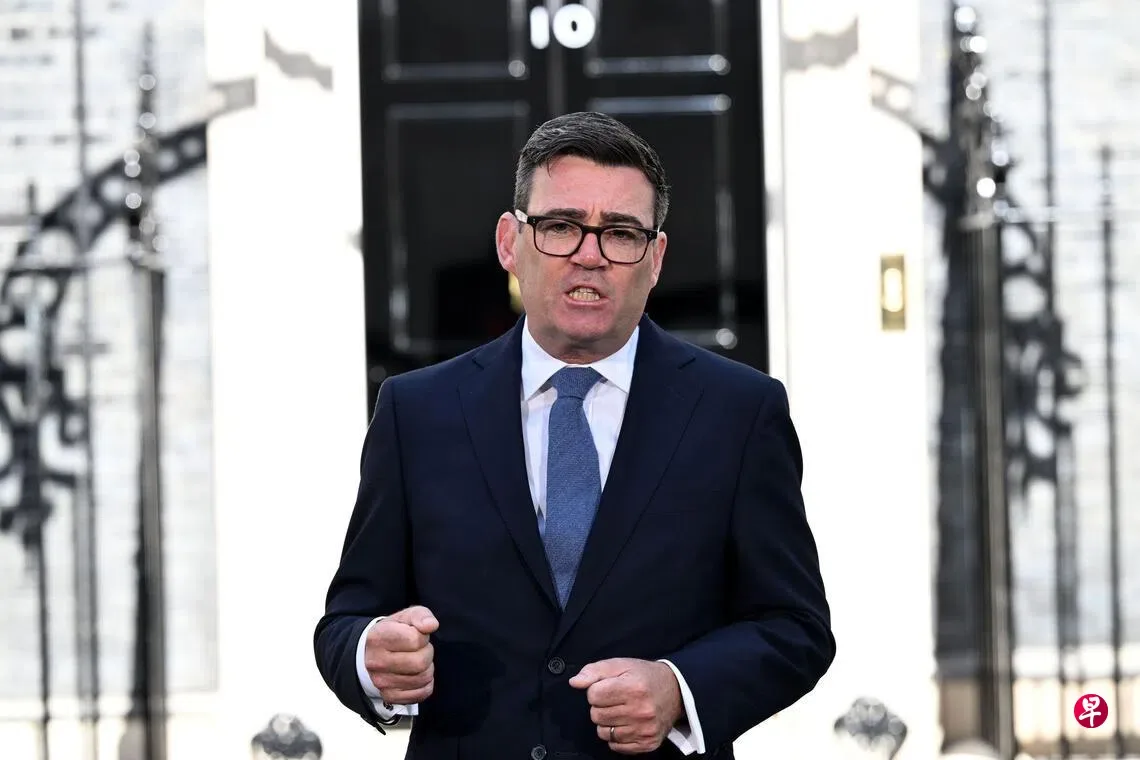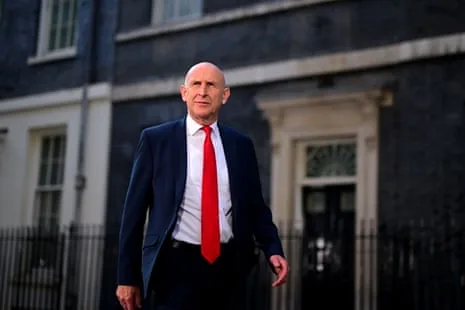
UK Prime Minister Andy Burnham announced on July 21, 2026, that the 5% value-added tax on household electricity bills will be removed starting October 1, 2026 [1, 2, 3, 4, 5, 6, 7, 8, 9]. The change is expected to save the average UK household about £45 per year [2, 3, 4, 5, 6, 8, 9]. Burnham said, "I said I wanted to give people breathing space, and that’s what I’m announcing on my second day as prime minister. We’re taking immediate action to cut taxes on energy bills, put more money in people’s pockets and bring back hope" [2].
The VAT removal aims to provide cost-of-living relief amid rising energy prices, especially benefiting lower-income households and small businesses [2, 3, 5, 6, 9]. The announcement comes as the energy regulator Ofgem plans to raise electricity and gas price caps due to geopolitical tensions linked to the US-Iran conflict [3, 4, 5, 6, 8]. Burnham took office just one day prior, on July 20, 2026 [1, 2, 7].
The move is estimated to cost the government about £850 million in the 2026–27 financial year [2, 3, 5, 8]. To finance this, Burnham’s administration plans to cancel the previously planned £1.8 billion digital ID scheme launched by former PM Keir Starmer [2, 4, 5, 6, 7, 8]. Business Secretary Jonathan Reynolds defended the decision as a "legitimate reprioritization of government spending," calling the VAT cut "a straightforward switch spend" that will ease pressure on citizens [1, 2, 7].
However, former minister Darren Jones expressed skepticism about the funding, saying the digital ID program was unfunded and urging clearer budget details: "The government will have to set out how it will pay for its new policies at the budget" [1, 2, 7]. Chancellor John Healey stressed the importance of fiscal discipline, noting "Fiscal control is the first duty of any finance minister" but welcomed the relief as giving families "some breathing room on bills" this winter [2, 5, 6, 9].
Separately, Burnham pledged an additional £340 million over three years for a homelessness strategy [1]. He also committed to supporting small businesses affected by previous tax hikes and maintaining balanced budget principles [5, 6].
The VAT cut comes into effect on October 1, 2026, and the government is expected to clarify final funding plans in the upcoming budget [3, 4, 5, 6, 8, 9].