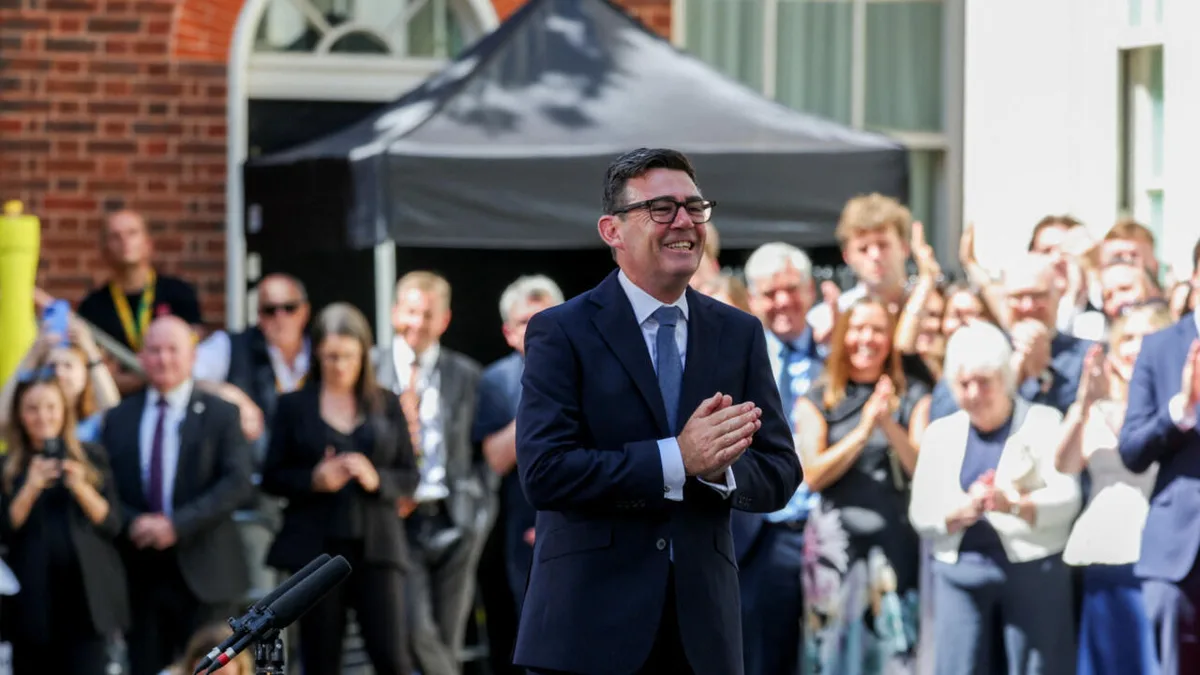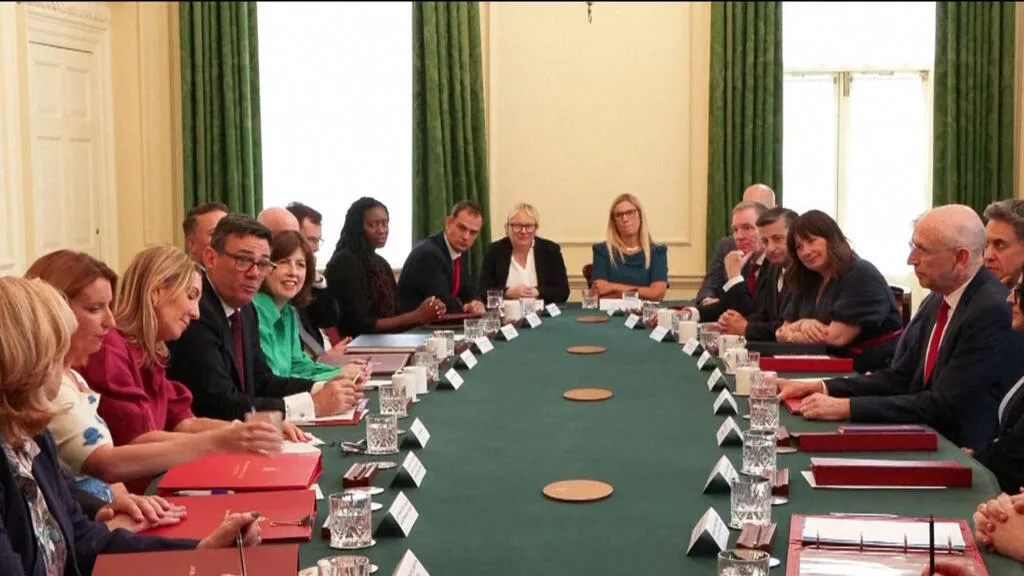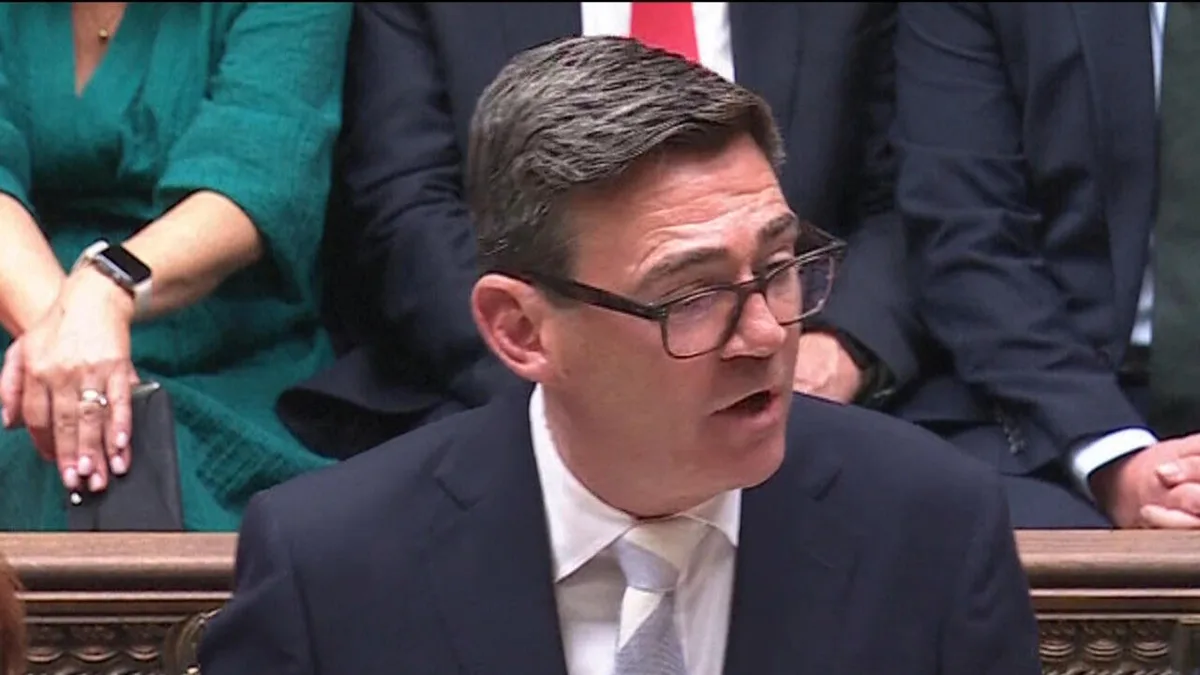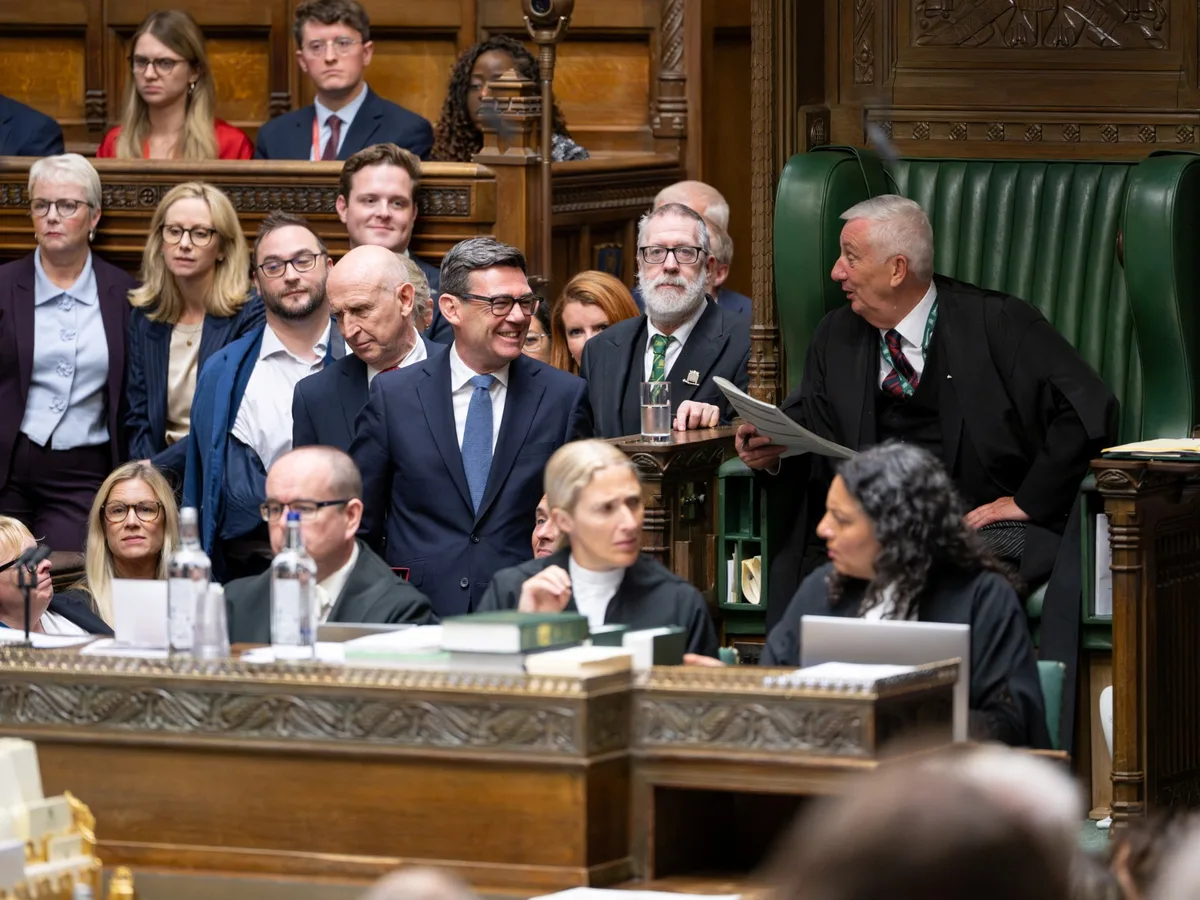
Andy Burnham made his first appearance in the House of Commons as UK Prime Minister on September 2, 2026, six weeks after taking office, pledging to restore hope and renew national optimism. He promised to kick-start the economy, ease the cost of living, and devolve more power to Britain's regions, saying, "We can make this next decade better than the last. We can lift the prospects of all our people and places. We can put more power into every postcode. We can let Britain believe again. We can bring back hope." Burnham replaced Keir Starmer, who resigned as Labour Party leader and gave up his parliamentary seat after 11 years in office [1, 2, 3].
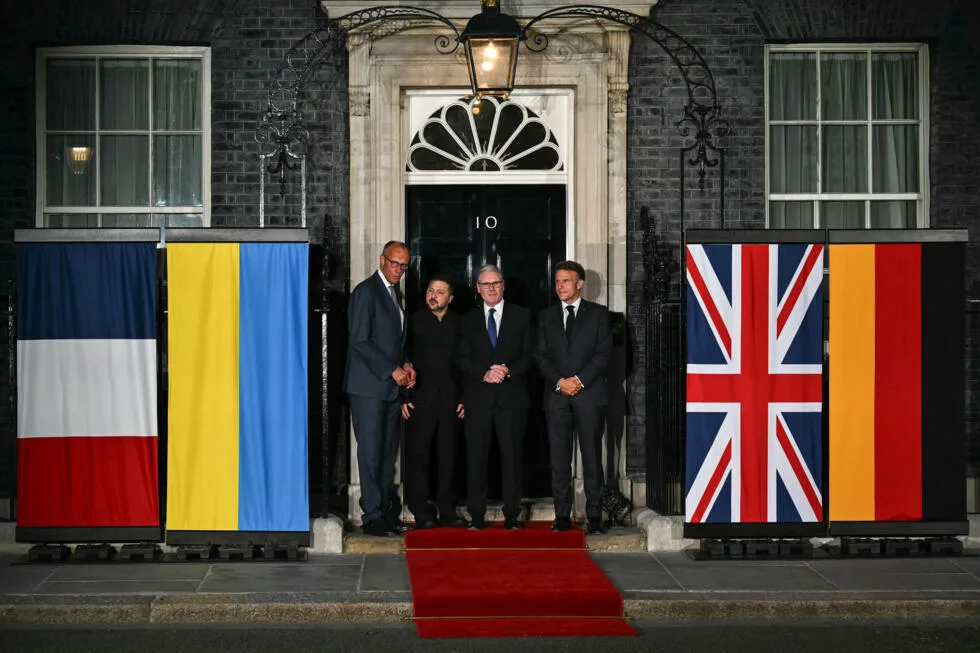
At his first Prime Minister’s Questions session on September 2, Burnham committed to fully funding the Defence Investment Plan and meeting the UK's NATO defence targets by 2035. He also emphasized solidarity with Germany and Ukraine amid geopolitical tensions following a recent attempted attack blamed on Russia and stated, "There is no problem with our commitment to defence. We will fully fund the Defence Investment Plan, and at the spending review, we will set out a plan to meet our NATO commitments by 2035." In response to economic challenges, Burnham has initiated relief measures, including tax cuts on domestic energy bills and lowered levies on pubs and nightclubs [3, 2].
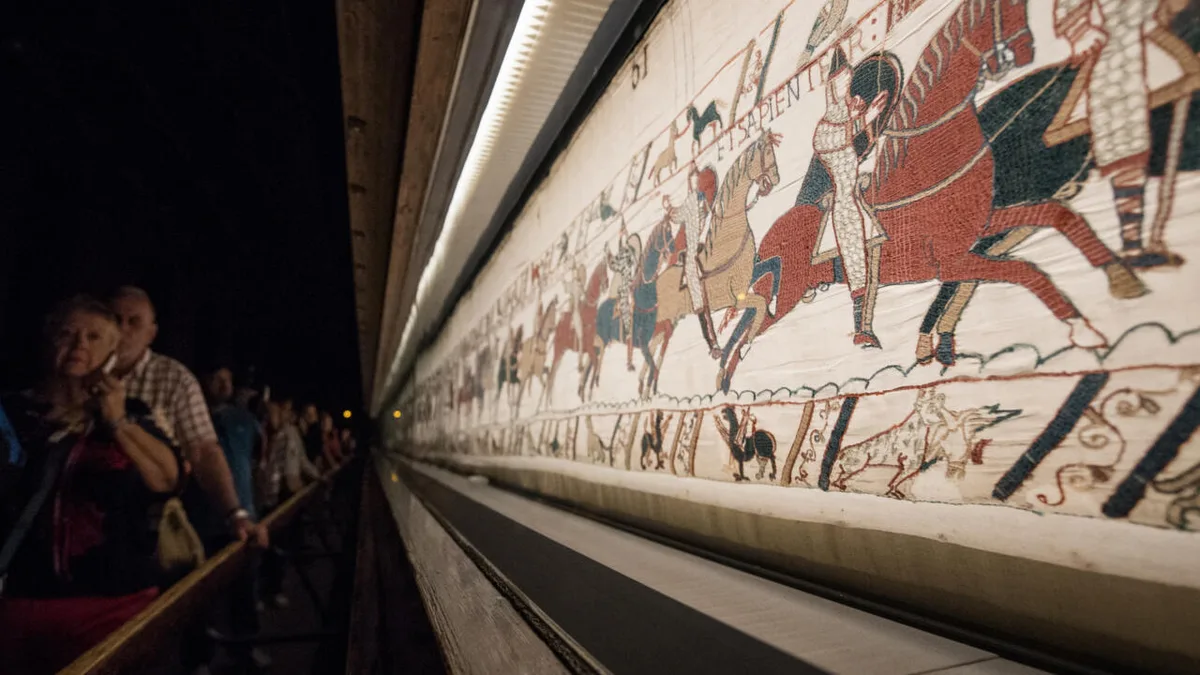
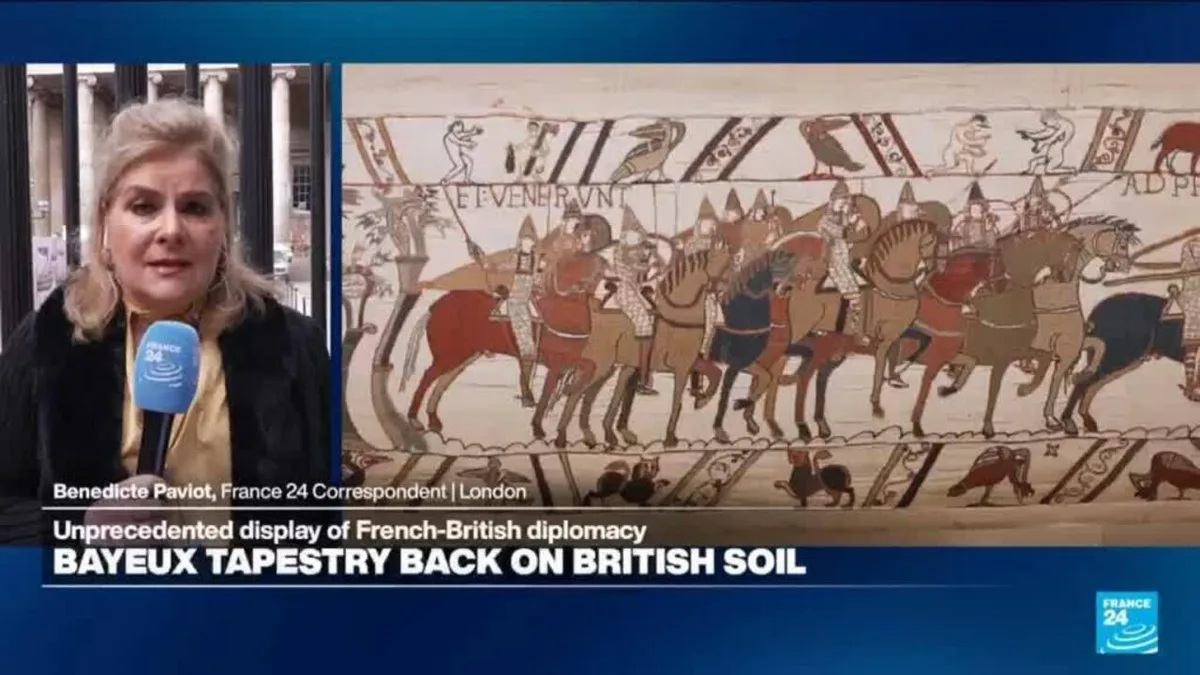
French President Emmanuel Macron began a two-day official visit to the UK on September 2, inaugurating the Bayeux Tapestry exhibition at the British Museum. The 950-year-old embroidered cloth, measuring 70 meters, depicts the Norman Conquest of England in 1066 and is on loan until July 2027. King Charles and Queen Camilla attended the opening alongside Burnham and Macron. The two leaders met for bilateral talks focused on closer UK-EU post-Brexit cooperation during Macron's visit. Burnham said, "As we celebrate our shared heritage, President Macron and I will continue to strengthen the relationship between our two nations." Macron and Burnham are scheduled to hold further talks at Downing Street tomorrow, focusing on economic growth and tackling migrant crossings via the English Channel [4, 5, 6].
Burnham's priority remains boosting sluggish UK economic growth and pushing for French assistance on migration control. The bilateral talks on September 3 will aim to deepen cooperation post-Brexit and address shared challenges between the UK and the EU.