The UK government announced on June 29 that some asylum seekers who can afford it will have to repay approximately £10,000 for accommodation and basic living support before they can apply for settlement in the country [1, 2, 3, 4, 5]. The charge applies only to adults with sufficient funds and will not be retrospective, while children and those unable to pay will be exempt to avoid destitution [1, 3, 4, 5].
The repayment scheme is part of efforts to reduce the £4 billion annual cost of asylum accommodation and support in the UK. The government estimates that nightly costs average £23.25 for dispersal housing and can reach £144 in hotel accommodations, which have been used less since 31 hotels housing asylum seekers closed this year [1, 3, 6, 5].
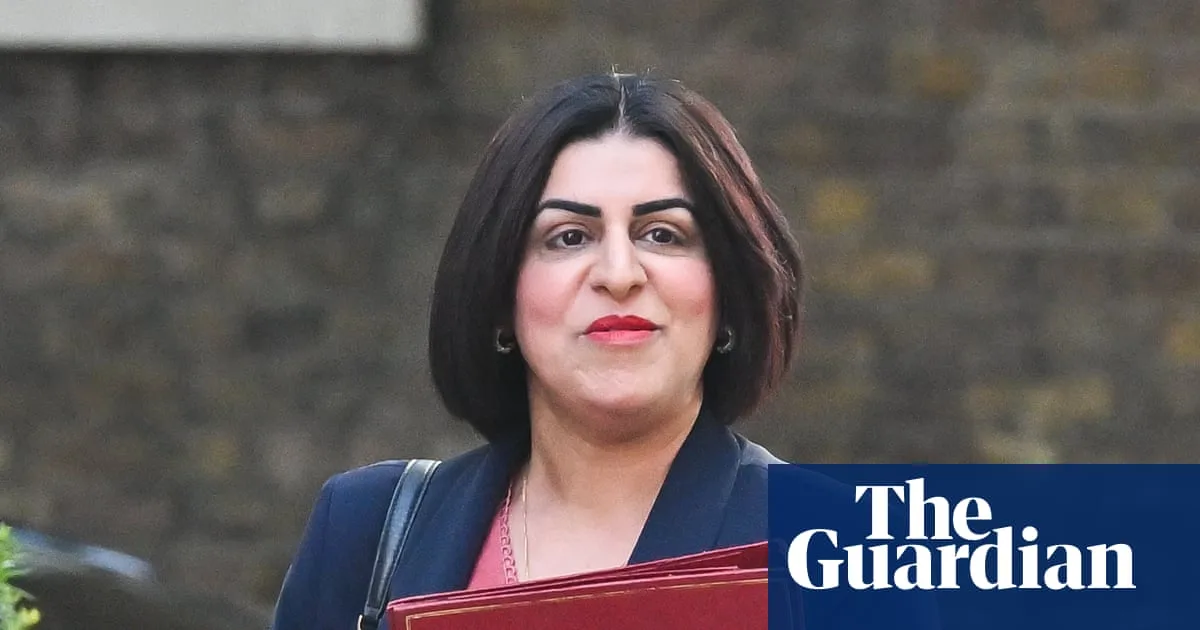
Home Secretary Shabana Mahmood said the policy reflects a balance of rights and responsibilities. "Receiving asylum support is a right, but it is also a responsibility. Once people can contribute and repay the generosity of the British people, we expect them to do so," she said [1]. Mahmood noted the government has already cut asylum costs by £1 billion and that those able should shoulder some burden [6].
The repayment will be means-tested, with the Home Secretary having authority to adjust charges and criteria. Asylum seekers must fully repay the charge before becoming eligible for settlement. Those who leave the UK must clear the debt before any return [2, 6, 4].
Charities and refugee advocates criticized the plan. Imran Hussain of the Refugee Council called it "unfair, impractical and makes it much harder for families to rebuild their lives." Zoe Dexter of the Helen Bamber Foundation described it as "performative cruelty" lacking a credible plan to address delays in the asylum system [2].
Political pressure surrounds the issue amid Labour Party divisions and Prime Minister Keir Starmer's upcoming resignation. Reform UK leader Nigel Farage pledged to deport 600,000 asylum seekers, blaming mass migration for changing British cities beyond recognition [1, 3, 4, 5].
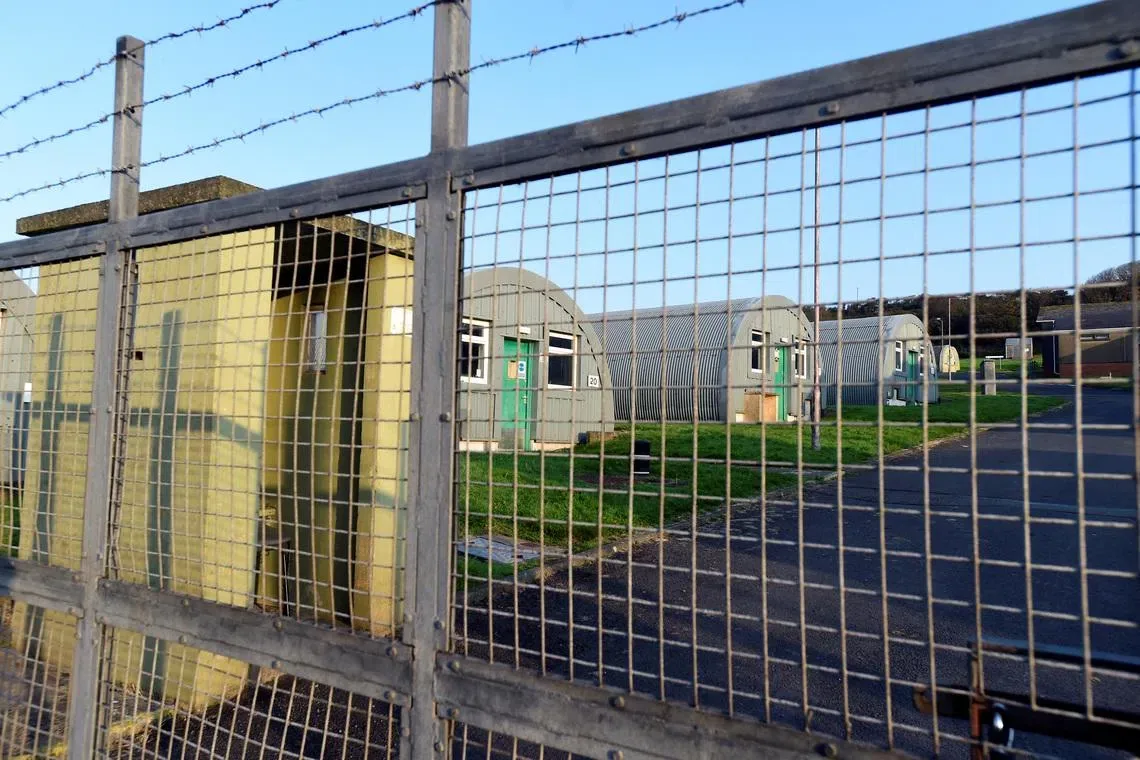
Data show less than 15% of refugees earn over £20,000 five years after asylum status, limiting the revenue potential of the repayment scheme [2]. Since April 2026, 31 hotels previously housing asylum seekers have closed, with people moved to basic accommodation including former military sites [6].
The UK government will soon finalize details in the Immigration and Asylum Bill, which includes repayment powers and exemptions. Implementation and adjustments will follow once legislation passes [6].