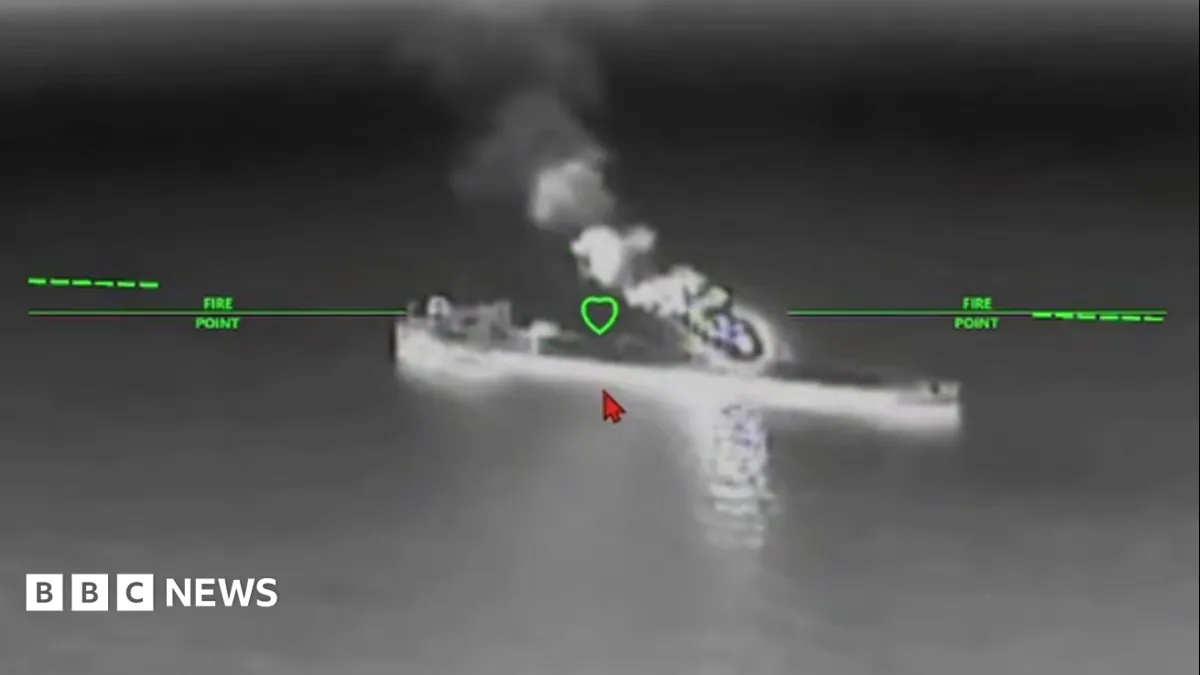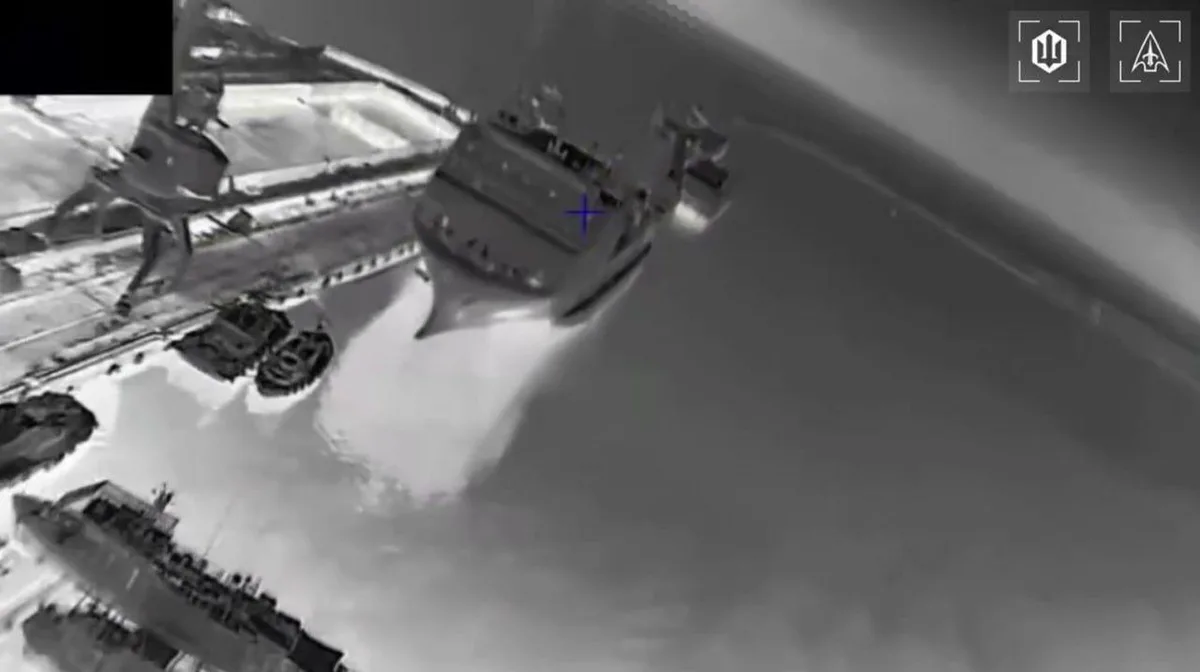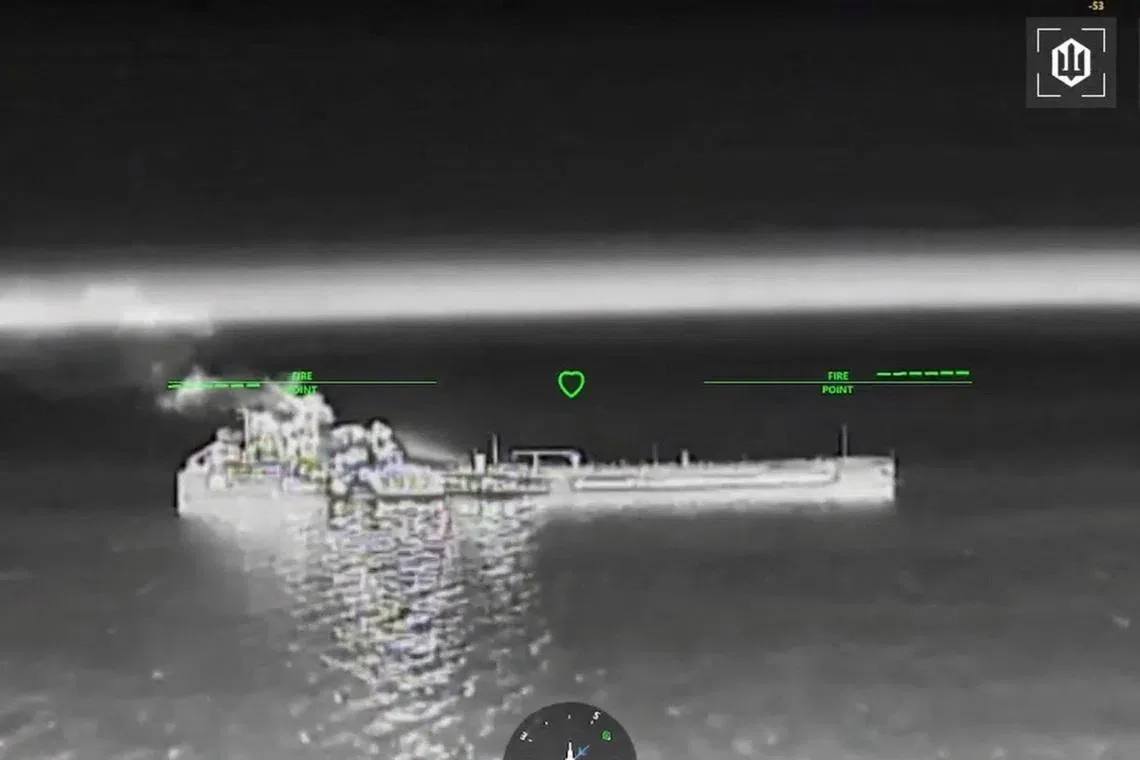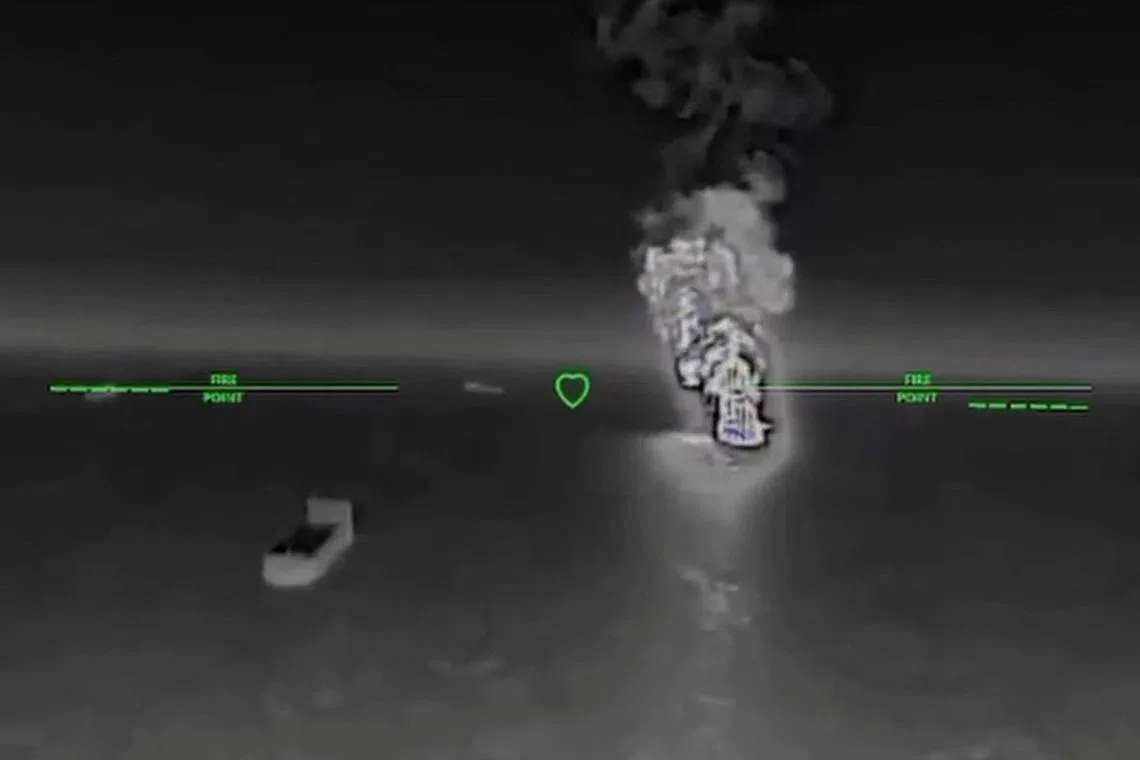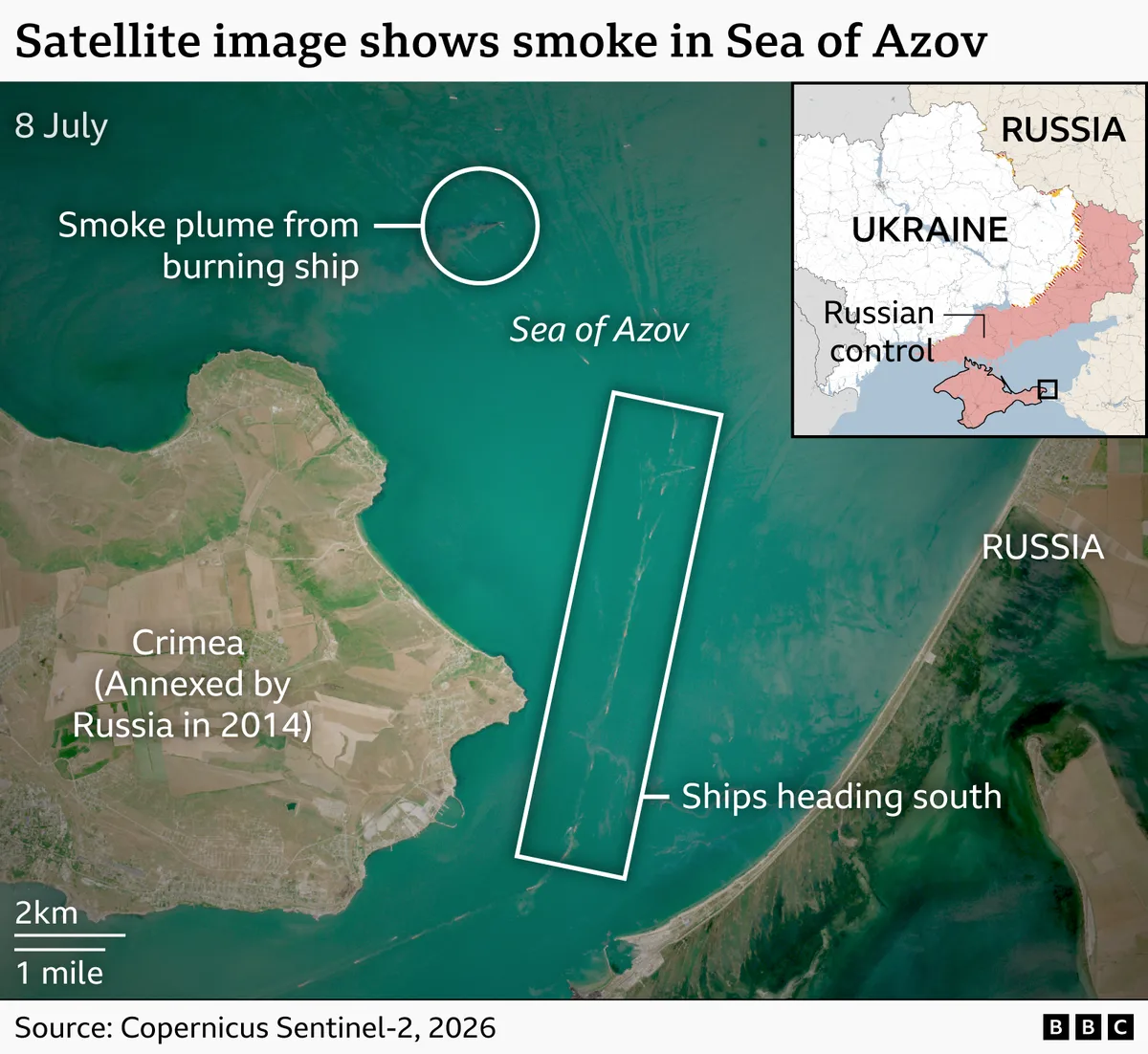
Ukraine's drone forces launched a series of attacks between July 6 and 9 targeting Russian oil tankers and fuel infrastructure near Crimea and across southern Russia. At least 36 vessels, mainly commercial oil tankers from Russia's 'shadow fleet' supplying occupied Crimea, were hit in the Sea of Azov and Black Sea, damaging multiple ships and disrupting fuel logistics [1, 2, 3].
The 'shadow fleet' vessels operate to circumvent international sanctions, transporting oil to Crimea and Russian ports. Ukraine’s Unmanned Systems Forces described these tankers as “part of the Azov–Crimea fuel route, transporting gasoline and petroleum products between Russian ports, the Kerch Strait, and occupied Crimea” [3]. Robert Brovdi, Ukraine's drone force commander, said, “Every tanker and every unit of heavy transport on this route is a legitimate military target” [4].
On July 7, 8 tankers from the shadow fleet were specifically struck, marking an escalation in the drone campaign against Russian maritime fuel supply routes [5, 3]. Several regional Russian officials, including governors of Rostov, Saratov, and Tver, confirmed damage to oil tankers and infrastructure, as well as casualties from the strikes [6, 7, 8, 9].
A major blow came on July 8 when a drone attack damaged the main refining unit (CDU-6) of the Saratov oil refinery, forcing it to halt oil processing. The CDU-6 unit accounts for up to 20,000 metric tons of daily capacity, impacting fuel availability and prices across Russia [7, 9].
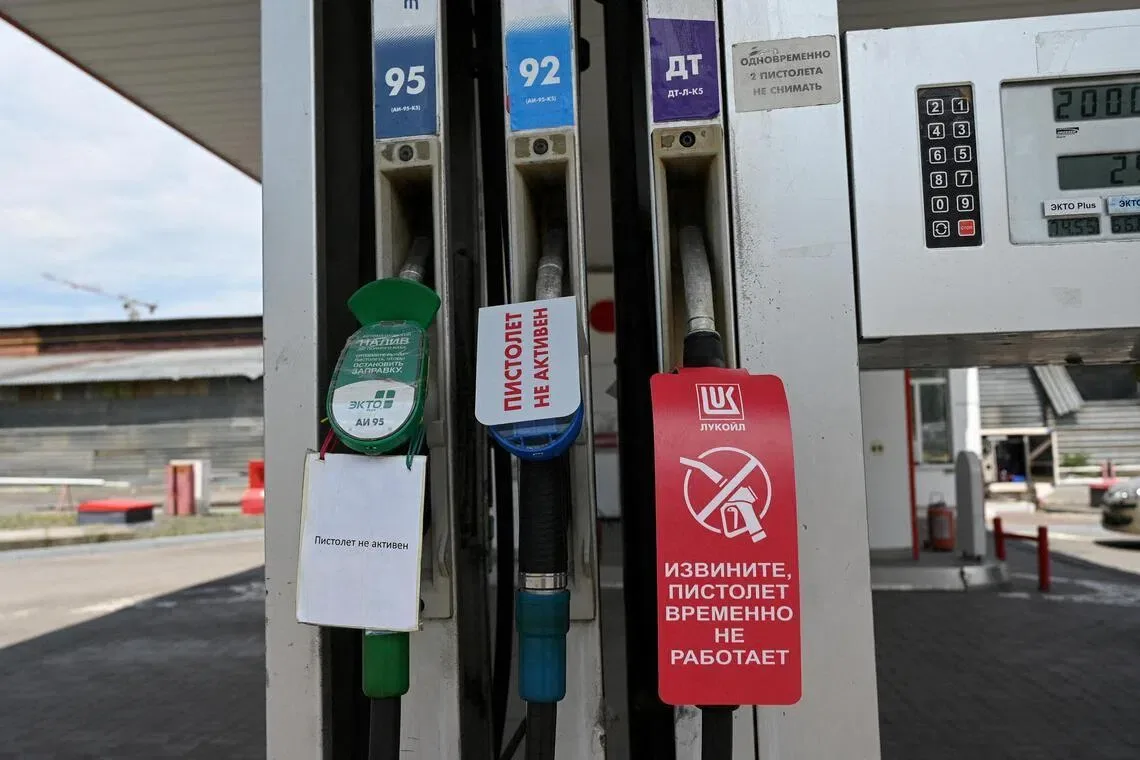
Ukraine also targeted oil depots, fuel storage sites, and loading terminals across Russian regions including Tver, Stavropol, Rostov, Tatarstan, Bashkortostan, and Voronezh from July 7 to 9 [8, 10, 9]. These strikes contributed to a nationwide fuel crisis in Russia, with at least 78 of 83 regions reporting gasoline or diesel shortages, rationing, and rising prices [4, 10]. Sergey Aksyonov, head of Crimea, said, “The fuel supply situation remains tense and will persist for some time. On certain days, fuel will not be available for sale” [4].
Russia said it intercepted hundreds of Ukrainian drones—415 according to some reports—in multiple regions including Crimea, the Black Sea coast, and Tatarstan during overnight clashes around July 7-8. Ukraine claimed to have shot down 139 Russian drones during the same period [6, 9]. The exchanges killed at least 4 people and injured dozens on both sides [6, 9].
Amid the attacks, Kyiv mayor Vitali Klitschko warned residents to seek shelter as Kyiv was hit by missile and drone strikes that caused fires and civilian damage [11, 9].
The drone campaign forms part of Ukraine’s wider “logistics lockdown” to choke Russian fuel supplies and isolate Crimea through coordinated attacks on maritime routes, land corridors, and oil infrastructure [1, 2, 4, 3]. On July 6-7, US President Donald Trump pledged at a NATO summit to license Ukraine to produce Patriot air defense systems, enhancing Kyiv’s defense capabilities [8, 10].
The situation remains tense as Ukraine continues its drone strikes across multiple Russian regions and Russian officials warn of ongoing fuel shortages. The Saratov refinery and other key facilities are yet to resume normal operations after the attacks [7, 4].