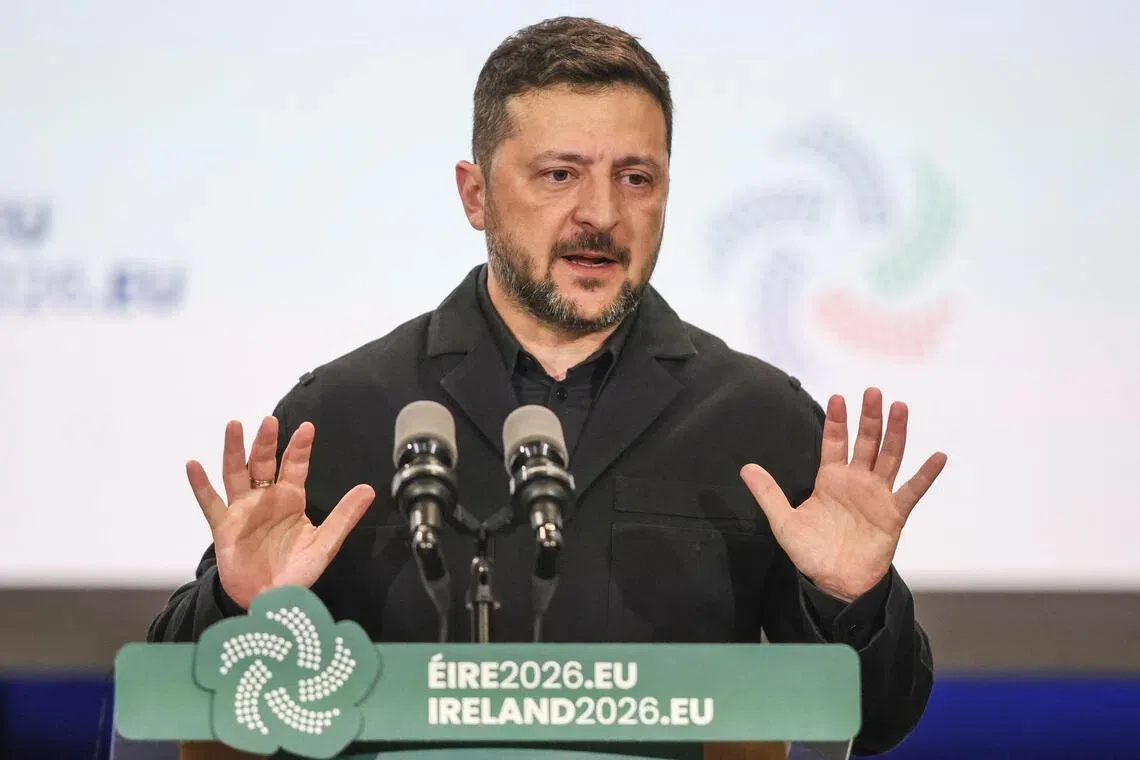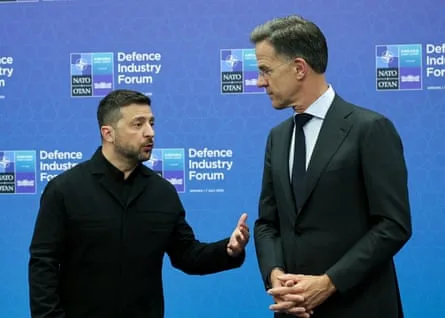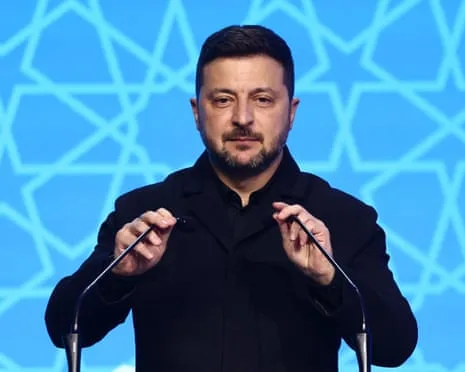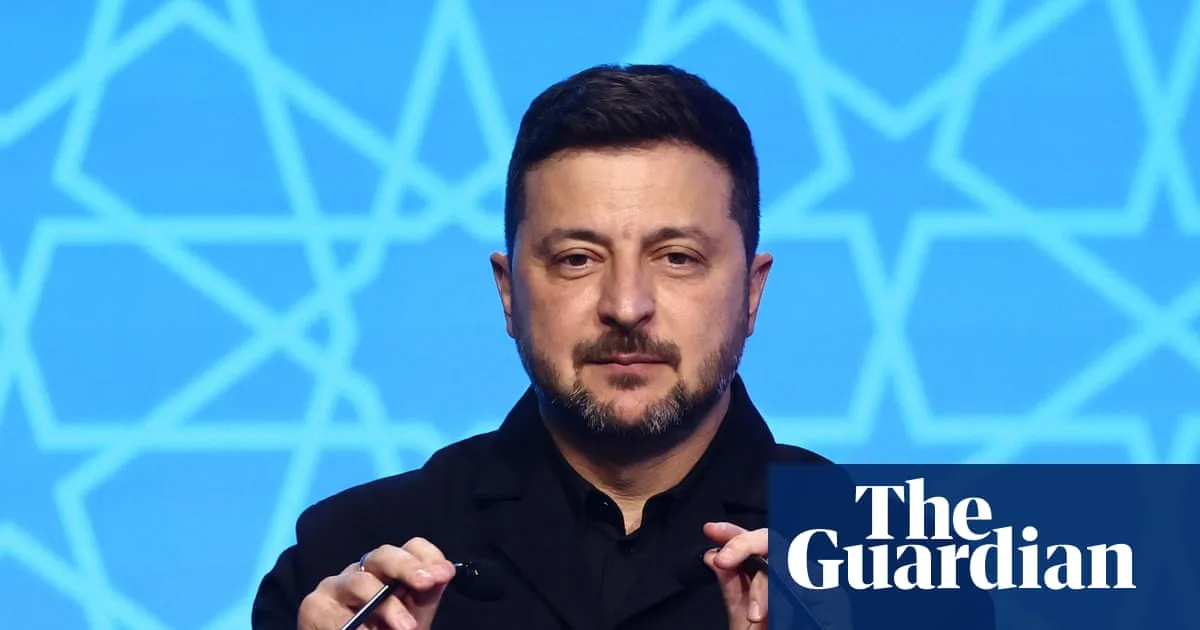
Ukrainian President Volodymyr Zelenskyy attended the NATO summit in Ankara, Turkey, where he met with US President Donald Trump and other NATO leaders to discuss Ukraine’s defense and NATO membership prospects [1, 2, 3, 4, 5, 6]. Zelenskyy argued that Ukraine should be allowed to join NATO, citing the country's strong defensive capabilities developed during the ongoing war with Russia. He asked, “Do you really believe it would be right to leave outside Nato, a country and a people with this level of defensive capability?” [2].
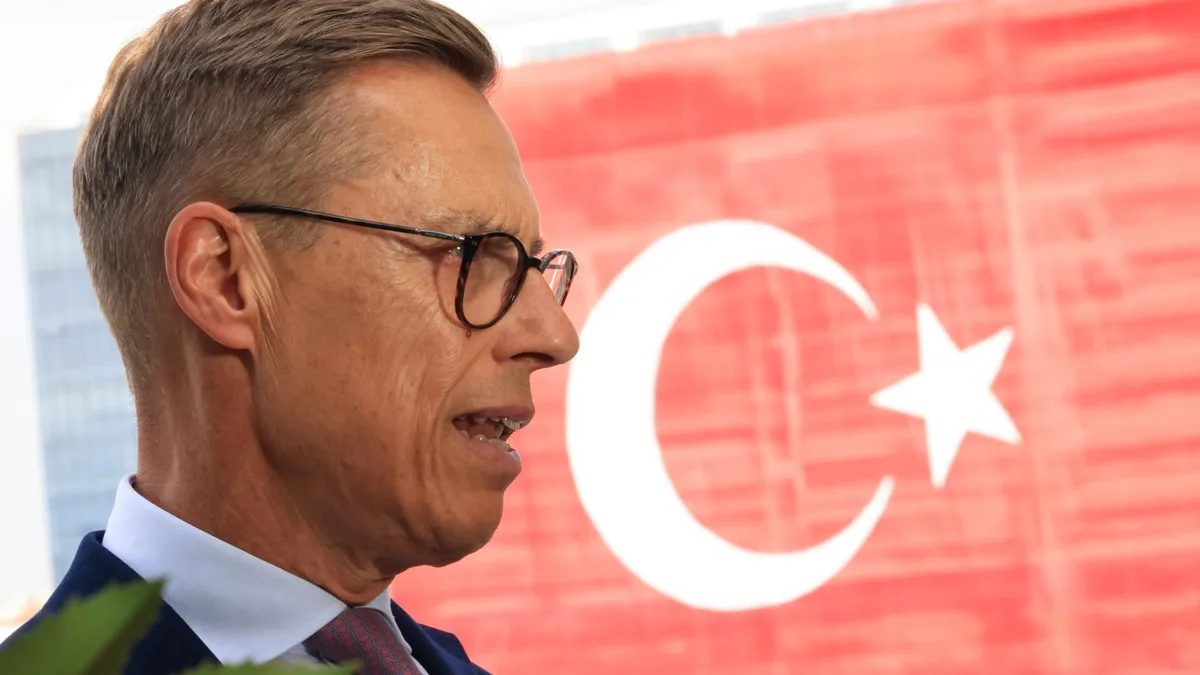
Despite Ukraine’s improved military performance, NATO members including the US remain reluctant to admit Ukraine while the war continues against nuclear-armed Russia [2]. Finnish President Alexander Stubb stated at the summit, “Who has won, who has lost? I say Ukraine has won,” referring to Ukraine’s success in preventing Russian advances and preserving sovereignty [3]. However, NATO officials and other sources emphasize that heavy fighting and casualties continue, with Russian forces advancing about 3.79 square kilometers daily in June 2026 and suffering estimated monthly casualties of 30,000 to 35,000 [2].
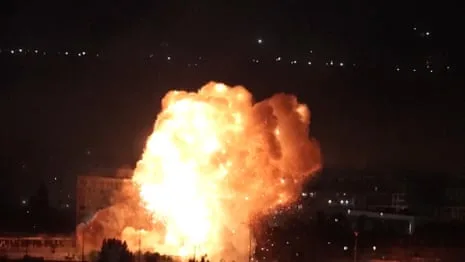
Ukraine has conducted successful missile and drone strikes targeting Russian supply lines, oil refineries, and energy infrastructure deep inside Russia. These strikes have worsened Russian fuel shortages and increased public discontent [1, 2]. Zelenskyy highlighted a drone attack on a Russian oil refinery in Omsk during a NATO defense forum [2].
At the Ankara summit, Zelenskyy and Trump agreed to bolster Ukraine’s air defenses. They reached a political agreement to begin technical work on licensing production of US Patriot Advanced Capability-3 (PAC-3) interceptor missiles within Ukraine [4, 5, 6]. Zelenskyy expressed gratitude for the focus on strengthening air defenses, saying, “I’m grateful for the strong emphasis placed on strengthening Ukraine’s air defense to better protect people’s lives” [4]. Ukraine will also test maritime and aerial drones as part of growing defense cooperation with the US [6].
Zelenskyy expressed cautious optimism about diplomacy and peace prospects but acknowledged ongoing serious Russian attacks on civilians [4, 5, 6]. He stated, “Putin, whether he knows it or not, but he definitely receives information and understands that he has no advantage now” [6]. Trump said, “I think they both want to make a deal… I think we’re going to get it settled, hopefully soon” [2].
On July 6, 2026, NATO Secretary-General Mark Rutte commented on Ukraine’s improved military capabilities targeting Russian energy infrastructure [1]. Zelenskyy’s push for NATO membership and US missile aid continued to unfold through July 9 with announcements of missile shipments and drone testing [6].