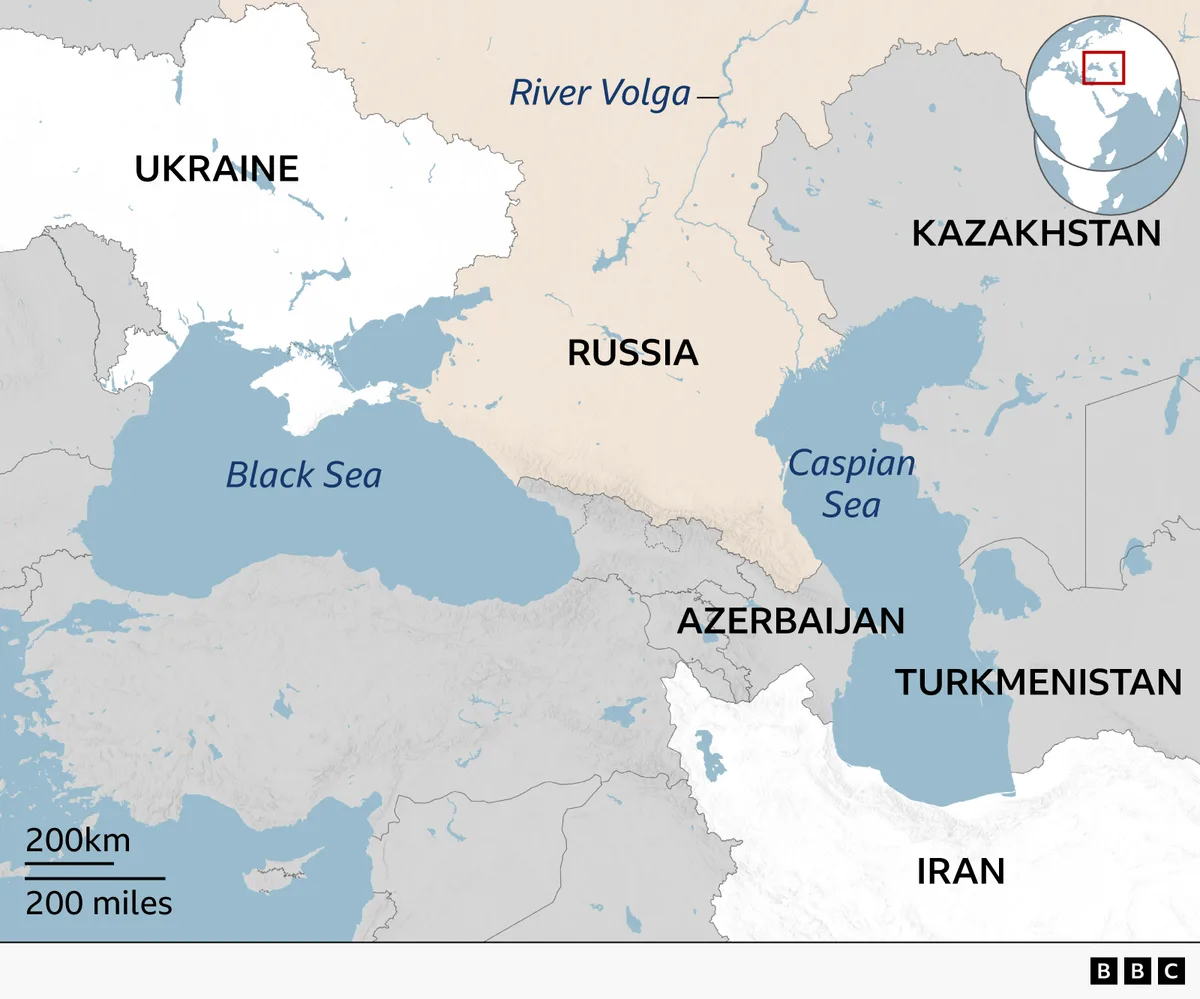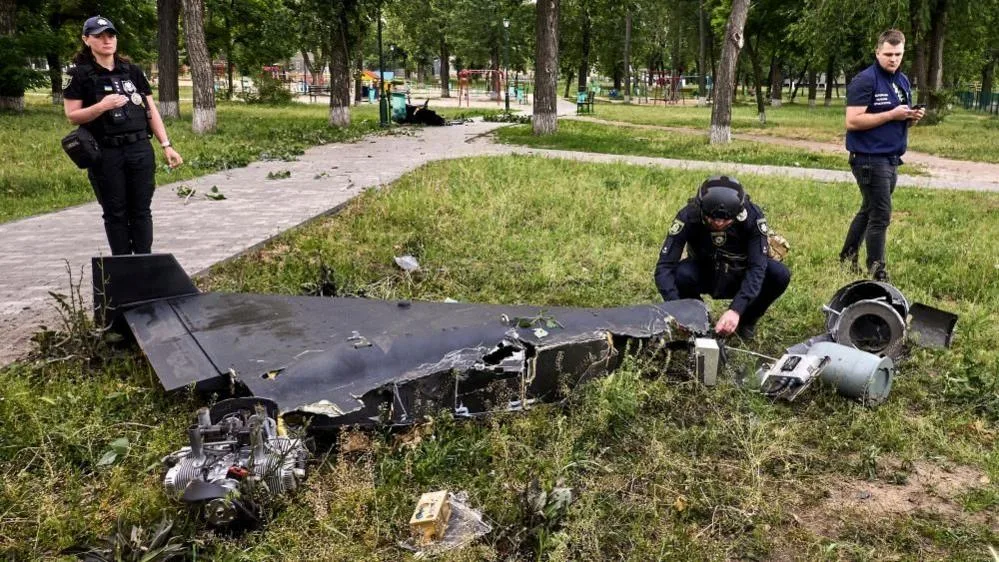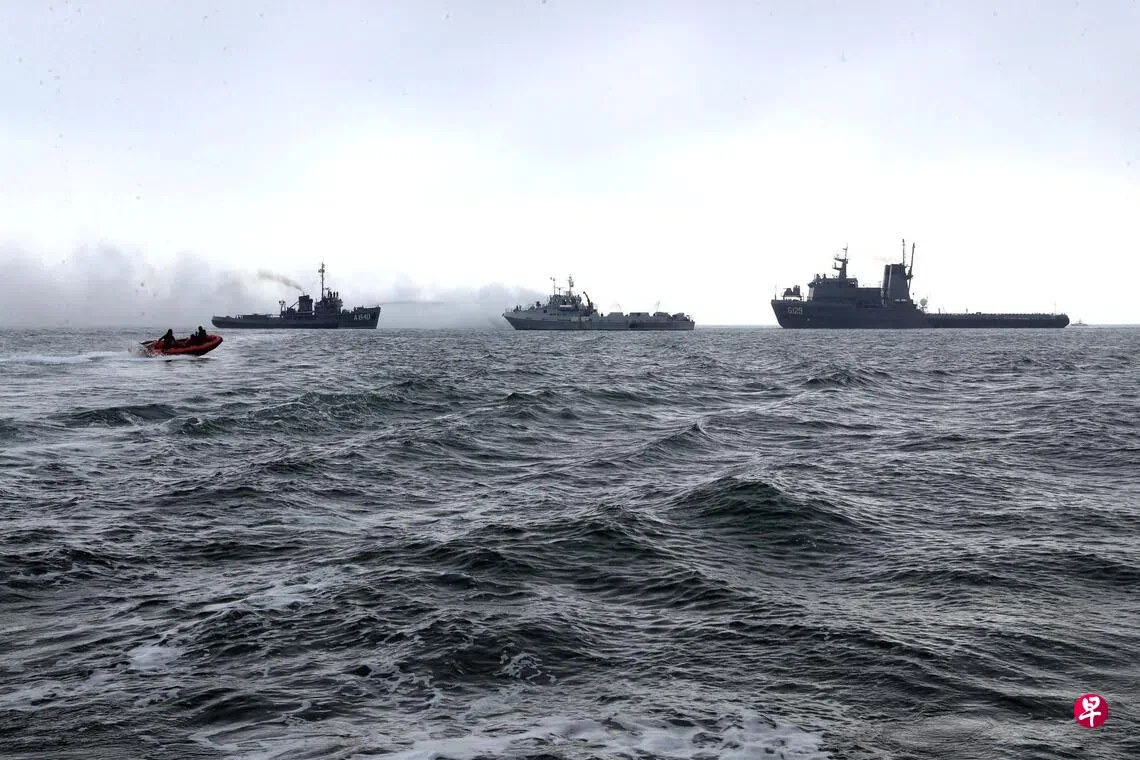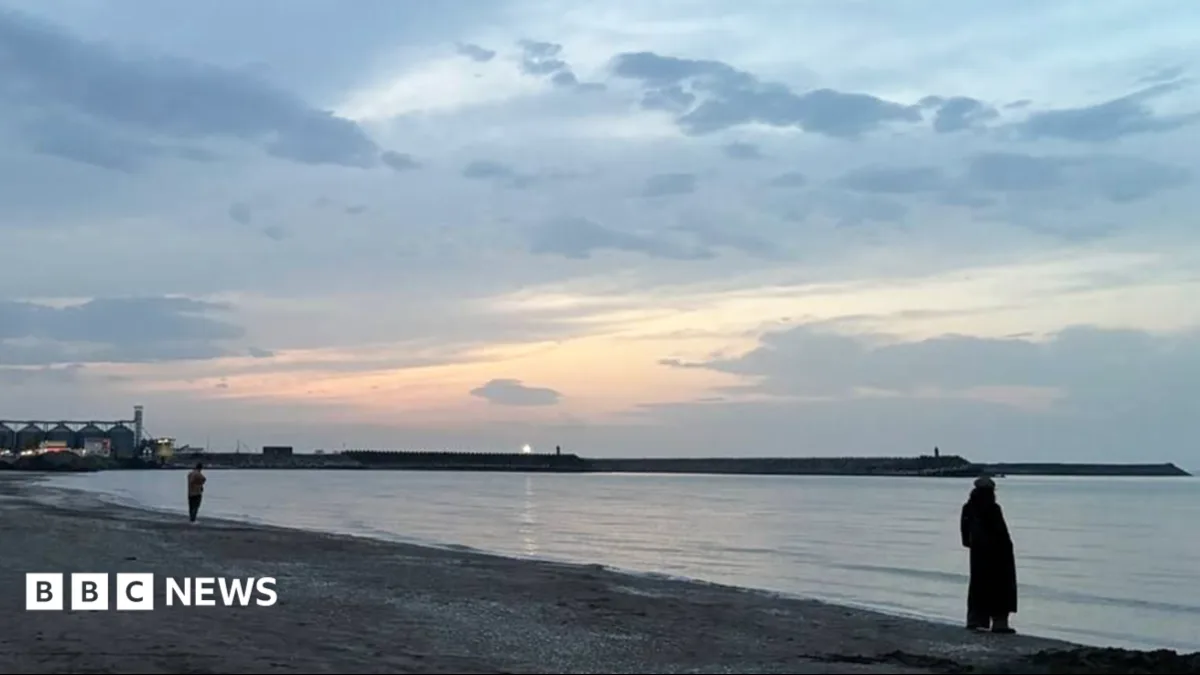
Ukrainian forces launched drone and missile strikes around 3 a.m. local time on July 25 in the Caspian Sea, targeting vessels including an Iranian commercial ship named Anna carrying military cargo to Russia, a Russian warship, and an oil platform [1, 2, 3, 4, 5, 6]. The attack on the Iranian vessel caused an explosion that killed one sailor and injured one or more others [1, 2, 7, 3, 4, 8, 5, 6].
President Volodymyr Zelensky said the strikes achieved "very strong results" against ships used for transporting Iran-linked military cargo to Russia and a Russian missile boat [1, 2, 3, 6]. He accused Russia of supplying satellite surveillance data of Gulf states to Iran to facilitate missile and drone strikes, based on image analysis of bases in Bahrain, Jordan, and Kuwait from July 19-20 [2, 7, 8, 5, 6]. Ukraine has also sent military experts to Gulf states recently to help defend against Iranian drone attacks seen as retaliation for U.S. and Israeli strikes [1].
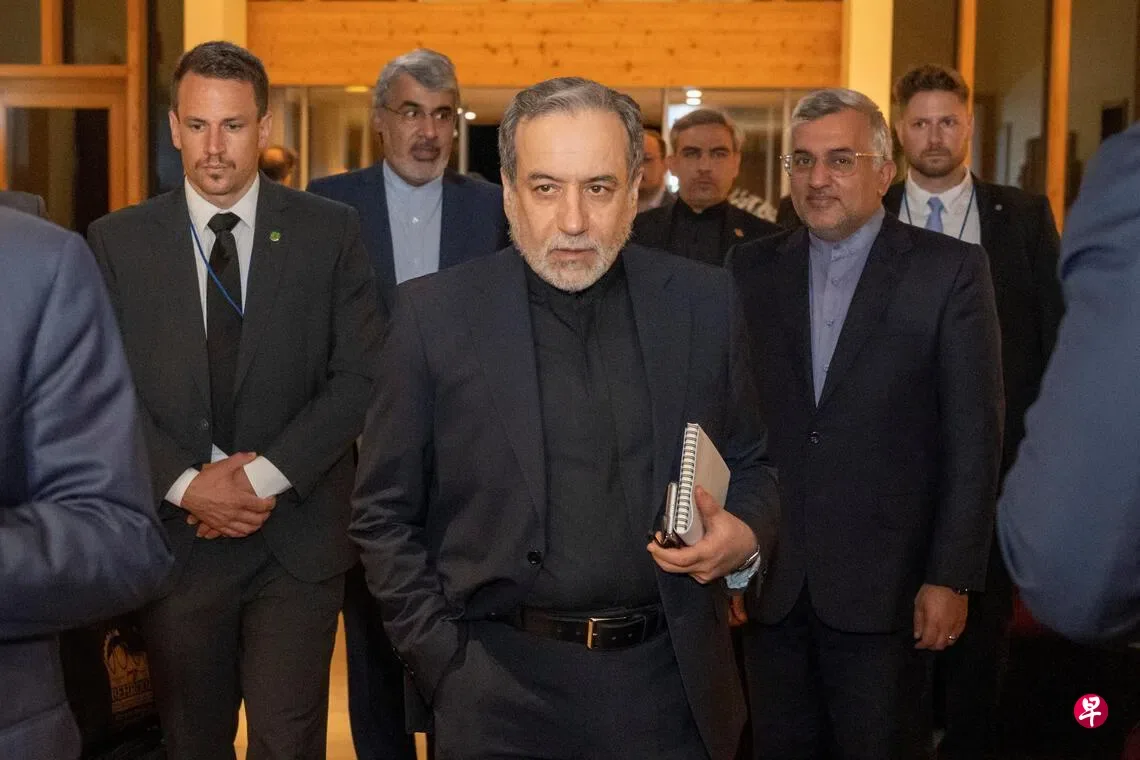
Iran summoned the Ukrainian chargé d’affaires in Tehran to protest what it called a "hostile and criminal" attack [7, 3, 8, 5, 9]. Iranian Foreign Minister Abbas Araghchi condemned the strike as "a blatant UN Charter violation" allegedly carried out at Israel’s behest. He warned the attack "cannot go unanswered" and called on the international community and the UN Security Council to hold Ukraine accountable [3, 10, 4, 8]. Iran denied intervening in the Russia-Ukraine war but vowed to defend its national interests following the attack [3, 8, 6].
Russian Foreign Minister Sergei Lavrov expressed condolences over the death of the Iranian sailor and thanked local authorities in Astrakhan for their assistance, urging restraint toward Kyiv’s provocations and calling to "stop such reckless actions by the Kyiv regime" [4].
Ukraine's Foreign Minister Andrii Sybiha called Iran's threats "unjustified and groundless," accusing Tehran of being "a direct accomplice to Russian aggression against Ukraine, fuelling Moscow's criminal war with weapons that have killed Ukrainians since 2022" [1]. The Caspian Sea remains a strategic supply route for Russia and Iran during the conflict [1, 6].
On July 26, Iran urged the European Union and the UN Security Council to take firm action against Ukraine over the strikes [10, 4, 6].