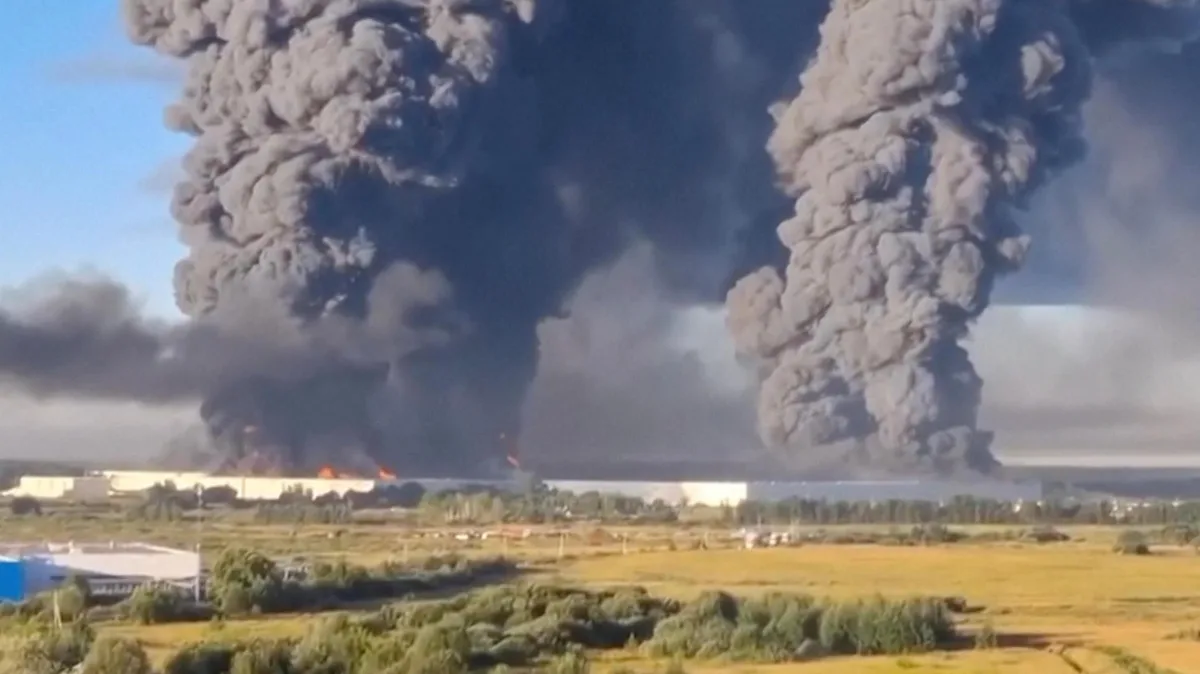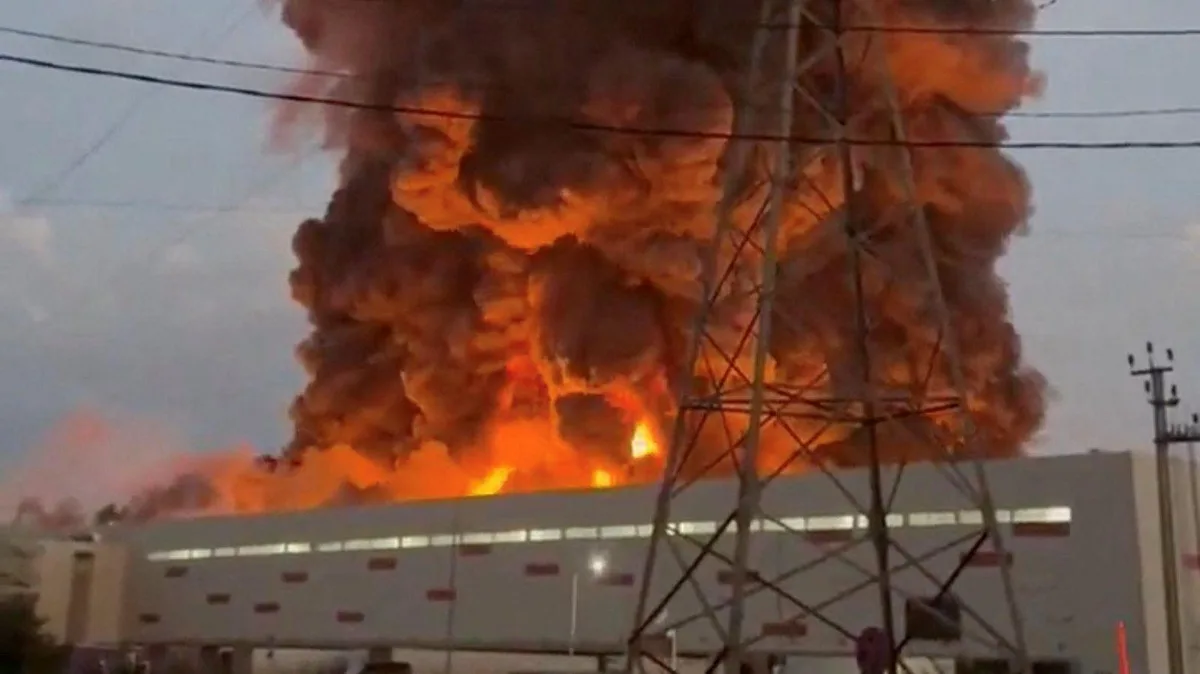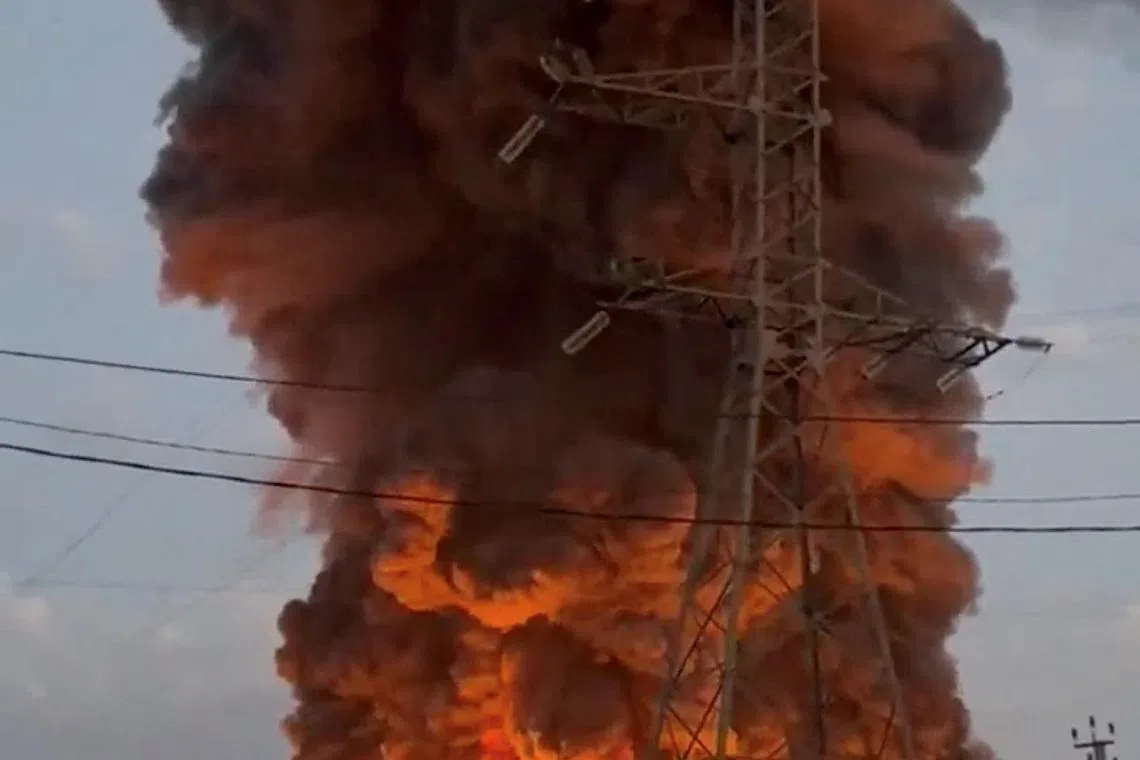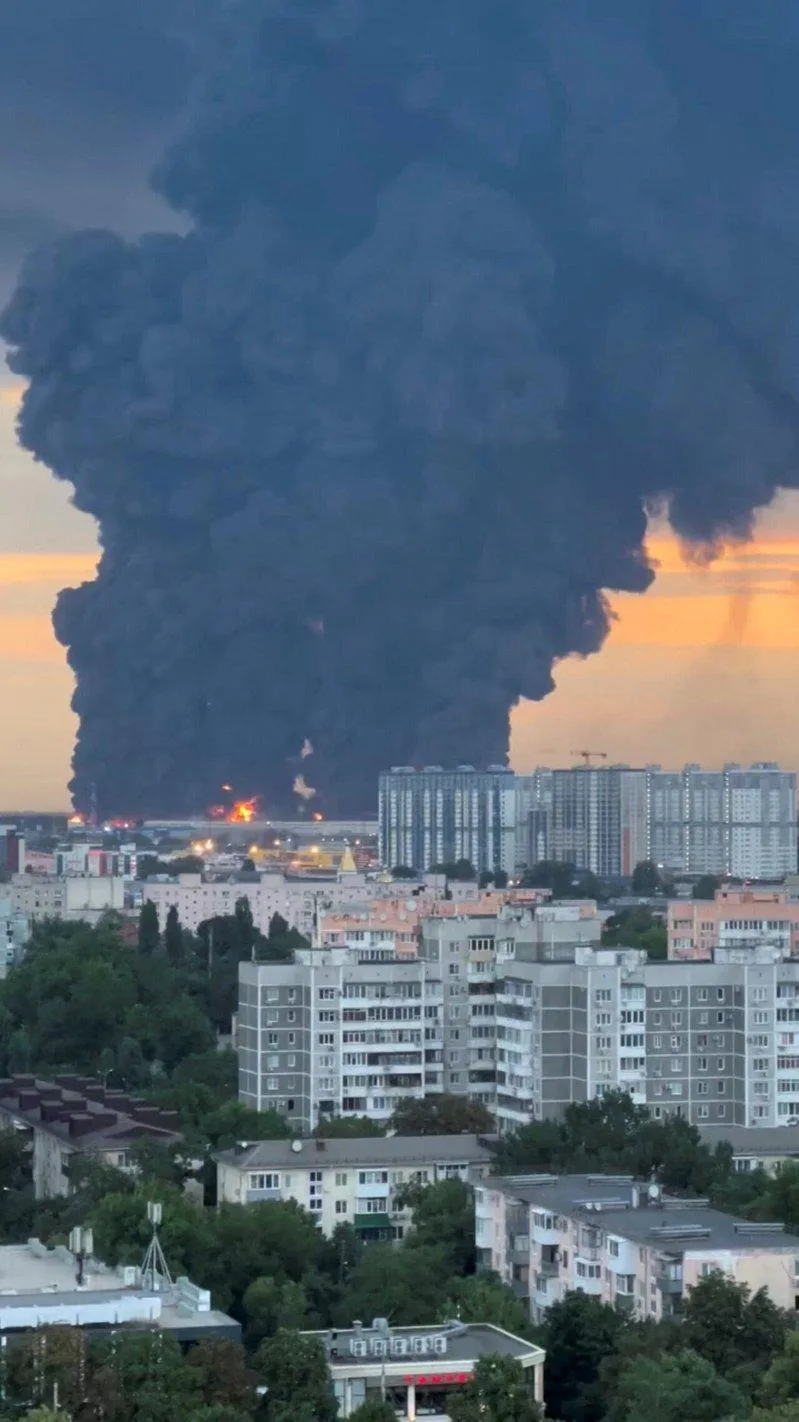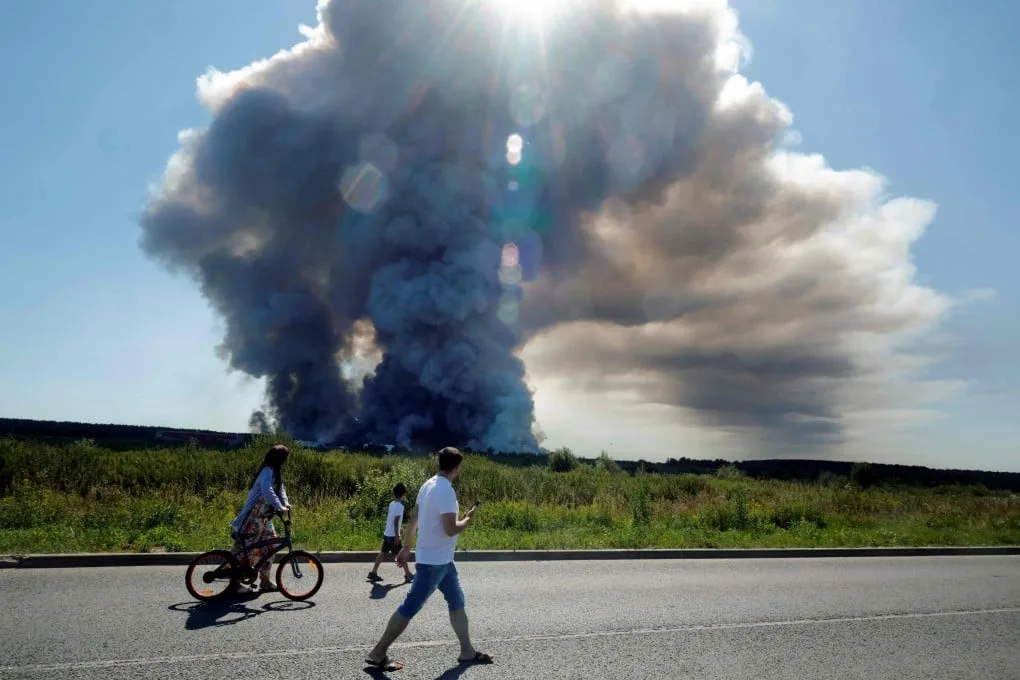
Ukrainian drone strikes targeted multiple warehouses of Wildberries, Russia’s largest online retailer, across southern and western Russia in late July 2026. The attacks hit logistics centers in Krasnodar, Nevinnomyssk, Armavir, Elektrostal, Tambov, and Kotovsk, causing fires and significant damage to the company’s supply network [1, 2, 3, 4, 5, 6, 7, 8, 9].
The assault on Elektrostal in the Moscow region on July 18 triggered a major fire that killed 8 people. Subsequent drone strikes on July 22 injured at least 15 workers, with one death reported from falling debris in Armavir. Krasnodar region suffered 10 injuries, including three serious cases, and Nevinnomyssk saw five injuries [1, 4, 10, 5, 8]. Reports vary slightly on casualty numbers, with some sources citing 10 injuries only [10].
Wildberries processes around 20 million orders daily via warehouses spanning 3 million square meters across Russia, making the damage particularly disruptive to distribution and ecommerce operations [2, 3]. The attacks have caused estimated economic losses of about $23.3 billion (converted from rubles) due to warehouse damages and fires [11]. Wildberries founder and CEO Tatyana Kim, considered Russia’s richest woman with a net worth near $7 billion, expressed deep sorrow: "There are no words to describe all the feelings and emotions caused by the attacks on ordinary people, on our employees, on us, who are simply doing our jobs" [1, 2, 3].
President Volodymyr Zelenskyy confirmed that the targeted logistics centers supplied the Russian military with drone parts, navigation equipment, and other related components. He said the strikes were part of ongoing efforts to "justly return the war to its source – to Russia" [4, 5, 6, 7, 9]. Zelenskyy also highlighted attacks on an oil depot and several Russian ships in the Black Sea and Sea of Azov as part of Ukraine’s broader campaign to disrupt Russian military infrastructure [4, 5, 6, 7, 9].
Governor Vladimir Kondratyev described the Krasnodar region as suffering a "massive attack last night," with drone fragments injuring civilians and damaging residential areas [1].
The conflict between Ukraine and Russia has now lasted more than four years, with Ukraine increasingly employing long-range drones to strike deep inside Russian territory to weaken Moscow’s war capabilities [2, 3, 5, 6, 7, 9]. The United Nations reported a 37% rise in civilian casualties in the war’s first half of 2026 [5, 6, 7, 9].
Further drone strikes and military operations are expected as Ukraine continues targeting strategic facilities in Russia. No new attacks have been reported since July 22, but heightened security and ongoing tension remain in the affected regions.