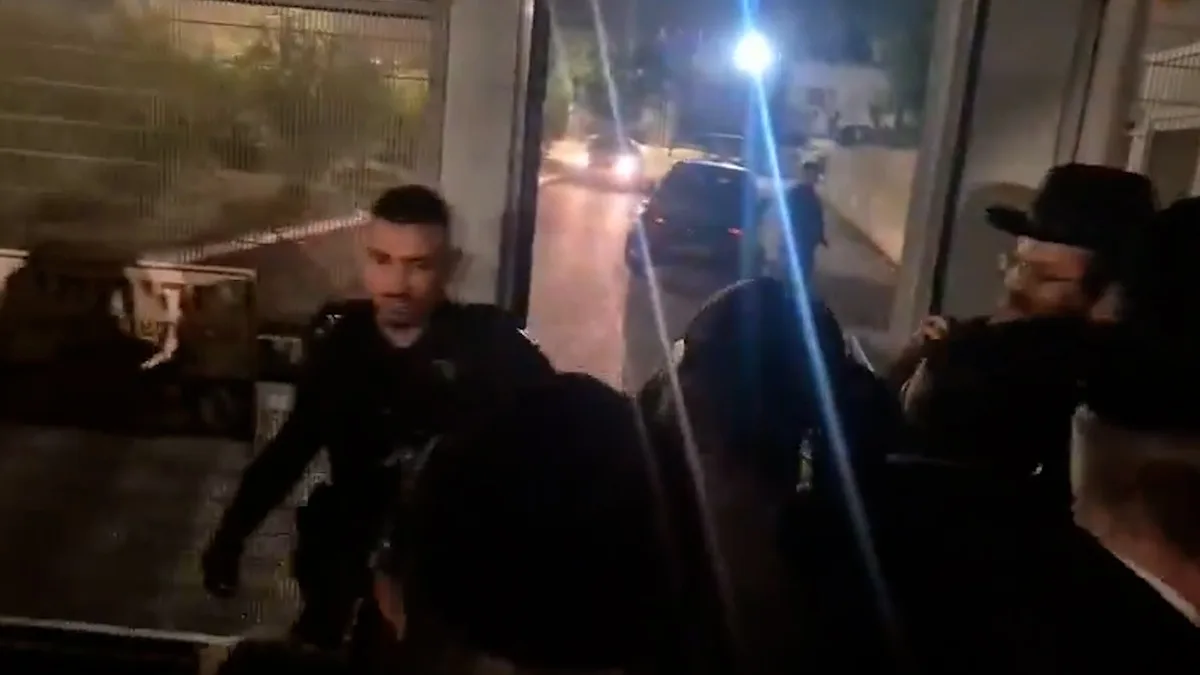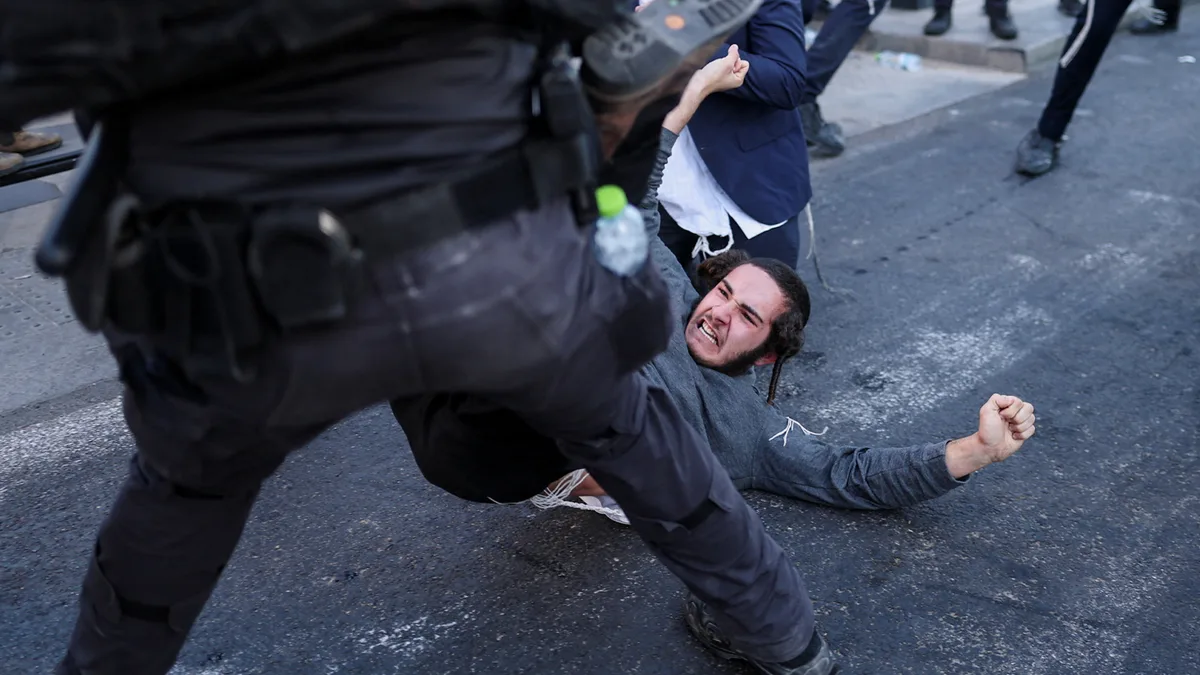
Ultra-Orthodox Jewish demonstrators stormed a police station in Beit Shemesh to protest the arrest of a man who abandoned military service, sparking clashes with police who used sound bombs and tear gas to disperse the crowd [1].
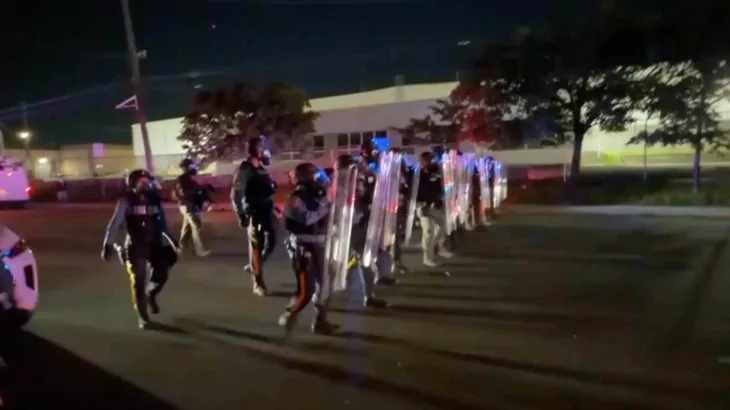
On the same day, tens of thousands of ultra-Orthodox protesters blocked major roads in West Jerusalem, with hundreds blocking the city's entrance at the Chords Bridge, in opposition to compulsory military conscription [2, 3]. Police responded with water cannons, stun grenades, and deployed mounted units to break up the demonstrations [2].
During the protests, some demonstrators attempted to storm the home of Jerusalem's traffic police commander [3]. The unrest follows recent arrests of ultra-Orthodox draft dodgers and reflects deep-rooted opposition within these communities to mandatory service [1, 2, 3].
The ultra-Orthodox, or Haredim, make up about 13% of Israel's population of 10 million. Many argue that military service threatens their religious identity, as they dedicate themselves primarily to Torah study, which historically has allowed deferments until age 26 [3].
Opposition lawmakers have accused Prime Minister Benjamin Netanyahu of pursuing legislation to grant permanent exemptions to the Haredim, aiming to satisfy ultra-Orthodox political parties [3]. This issue gained judicial prominence when Israel's Supreme Court ruled on June 25, 2024, that ultra-Orthodox men must be enlisted and authorized the cutting of state funding to religious institutions whose students refuse service [3].
In March 2026, Israeli Chief of Staff Eyal Zamir warned of severe soldier shortages and called for extending mandatory service, citing the refusal of many Haredim to conscript [3].
The demonstrations on June 1 marked a sharp escalation amid ongoing tensions between the ultra-Orthodox community and the state over military conscription enforcement [1, 2, 3]. Authorities continue to manage a volatile situation that poses significant challenges for Israel’s conscription policies.