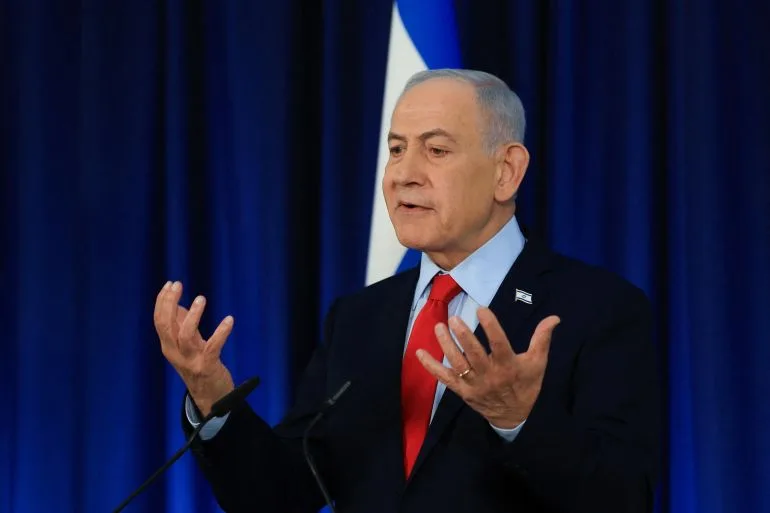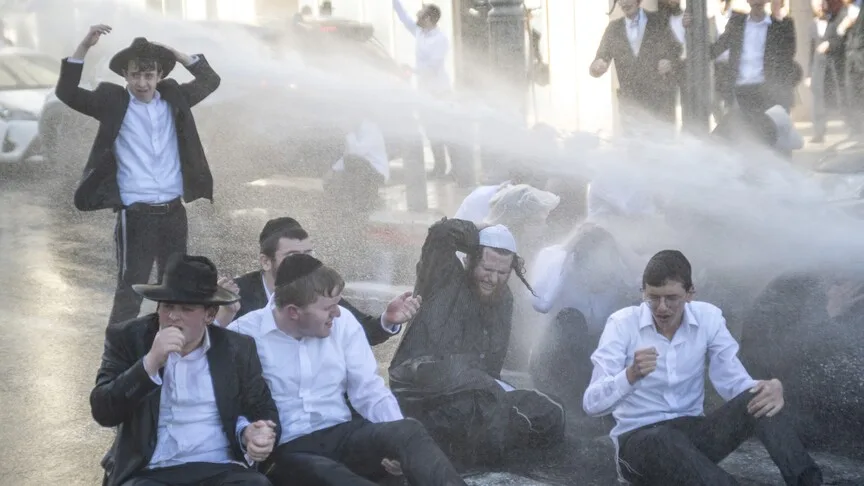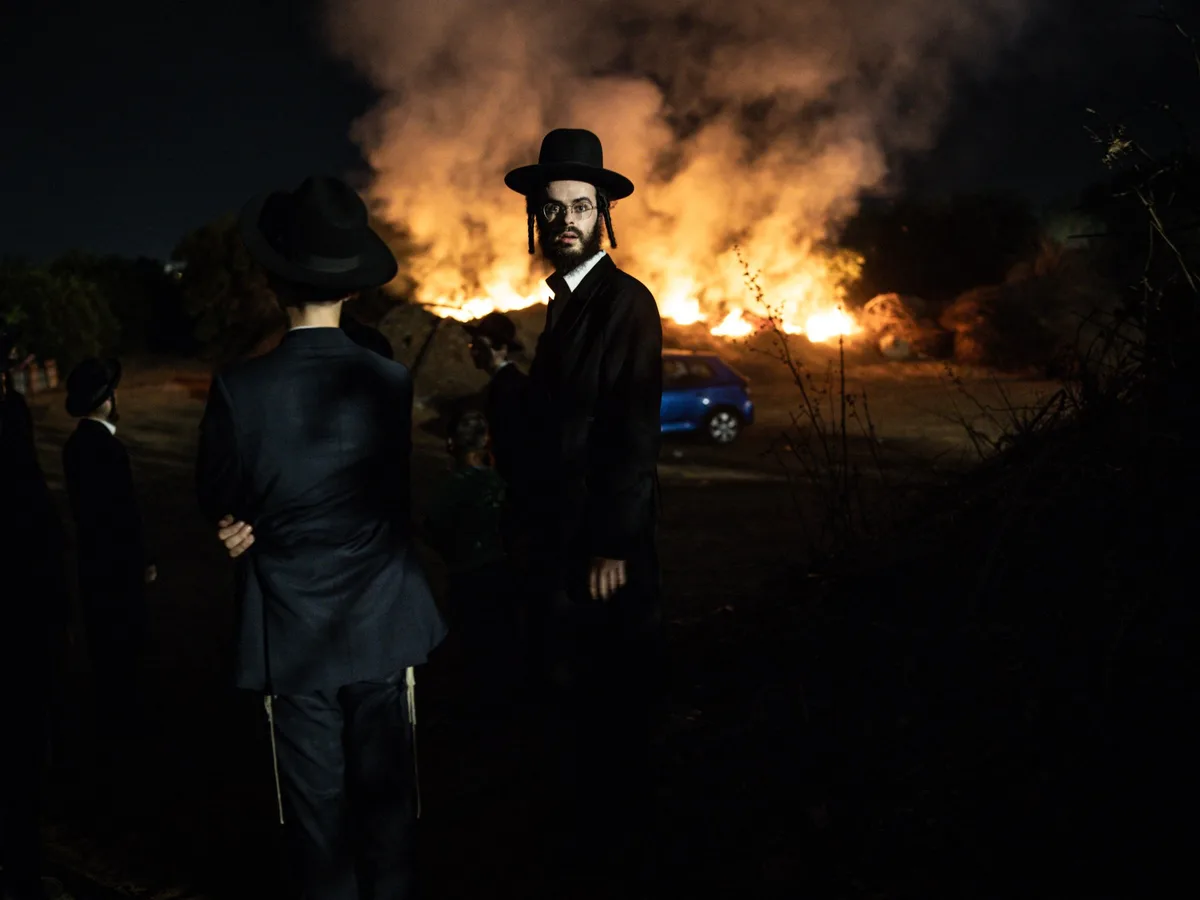
Thousands of ultra-Orthodox Jewish men staged protests across central Israel, blocking major roads and railway lines, severely disrupting traffic and train services [1, 2]. The protests erupted in response to efforts by Israeli Prime Minister Benjamin Netanyahu's coalition to pass a bill enshrining exemption from conscription for ultra-Orthodox religious students, amid threats to withdraw parliamentary support [1].
The demonstrators oppose military service, which they argue compromises their faith and religious studies of the Torah [1, 2]. Ultra-Orthodox rabbis called on followers to reject draft notices and refuse service, intensifying resistance [2]. The Haredi community constitutes roughly 13% of Israel’s 10 million population [2].
Protests have frequently turned violent, with clashes between police and protesters leaving injuries on both sides and resulting in arrests [1, 2]. On June 10, Haredi protesters assaulted police officers during demonstrations in West Jerusalem [2]. A day later, protesters blocked highways 1, 4, and 6, halting traffic and train services following earlier arrests [2]. Among those arrested were 65 ultra-Orthodox individuals who tried to storm the home of Israel Supreme Court Deputy President Noam Solberg [2].
Senior ultra-Orthodox politicians framed the legislation as a defense of Torah students. Yisrael Eichler of the United Torah Judaism (UTJ) party called it “a declaration of holy war against those who blaspheme God, persecute the Torah and oppose those who study it,” while fellow UTJ parliamentarian Meir Porush described opponents as “anti-Semites and enemies of the Torah and its students” [1].
The protests follow a 2024 Supreme Court ruling ordering conscription of ultra-Orthodox students and halting funding for institutions refusing military service [2]. The Israeli parliament is advancing legislation to grant the exemptions the Supreme Court opposed [1].
The government faces increasing unrest as it pushes the bill. The next scheduled parliamentary vote on the conscription exemption is expected this month, marking a critical moment for the government’s fragile coalition amid growing street tensions.
![Ultra-Orthodox Jewish men gather on the Ultra-Orthodox Jewish men gather on the Chords Bridge during the "Million Man" protest against Israeli military conscription in Jerusalem [Ammar Awad/Reuters]](/uploads/2026/06/12/68eafaa87d64ee22c6ef5197.webp)