The number of verified conflict-related sexual violence cases worldwide more than doubled in 2025 compared to 2024, reaching 9,788 reported incidents, the United Nations said [1, 2]. These cases showed extreme brutality and overwhelmingly targeted women and girls. UN official Patten described the surge as "marked by extreme brutality, and overwhelmingly targeted women and girls" and stressed that responses should focus on victims' rights and dignity rather than politics or selective outrage [1].
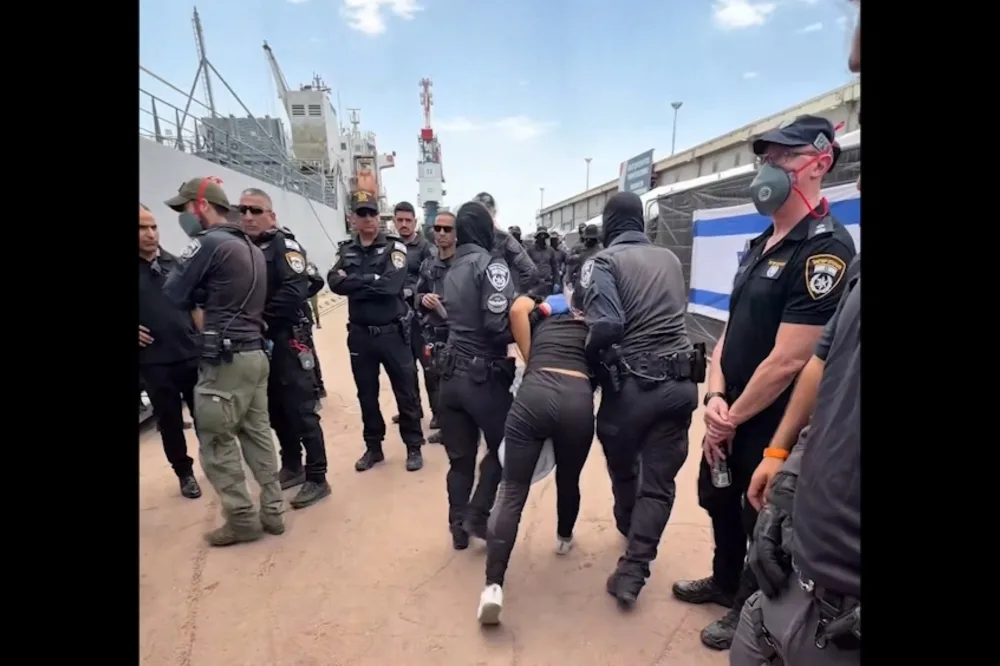
Sexual violence was used systematically as a tactic of war, torture, terrorism, and political repression across multiple conflicts, according to the report [1, 2]. A total of 77 parties have been identified as responsible, including 62 non-state armed groups and 15 state actors [1, 2]. Two new state actors, the Israeli and Russian armed forces, were newly listed for involvement in sexual violence patterns. Additionally, three new non-state armed groups in the Democratic Republic of Congo were added to the list [1, 2].
Male victims, including boys, also suffered violence, particularly in detention settings where sexual violence functioned as a form of torture [1, 2]. Displaced, refugee, and migrant women and girls faced elevated risks, especially in remote border areas where support networks have collapsed due to ongoing conflict and instability [1, 2].
The report highlighted serious challenges in documenting cases and providing assistance to survivors, citing insecurity, restricted humanitarian access, and funding shortfalls as major obstacles [1, 2]. The UN submitted its 17th annual report on conflict-related sexual violence to the UN Security Council around May 29-30, 2026, and made it publicly available shortly after [2].
The number of verified cases rose sharply from 4,617 in 2024 to 9,788 in 2025, reflecting a dramatic increase in documented abuses [2]. The UN's next steps include ongoing monitoring of responsible parties and efforts to improve protections and support for survivors.