UN Secretary-General Antonio Guterres warned on May 28 about a dangerous escalation in the Ukraine war and called for an immediate and sustained de-escalation, urging both sides to return to negotiations. "The death spiral must stop," Guterres said at the UN briefing [1].
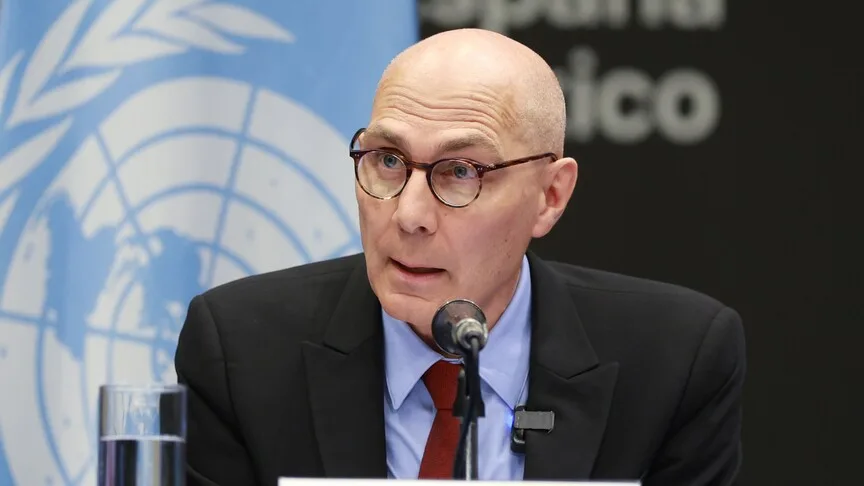
UN High Commissioner for Human Rights Volker Turk also issued a strong appeal for restraint and resumption of talks to end civilian suffering. He emphasized that international humanitarian law requires parties to avoid civilian harm, describing these obligations as legally binding, not mere recommendations. "I strongly urge restraint. Resume negotiations and end the suffering," Turk said. He deplored the recent civilian deaths and injuries and called on both sides to investigate these incidents promptly and hold accountable those responsible [1, 2].
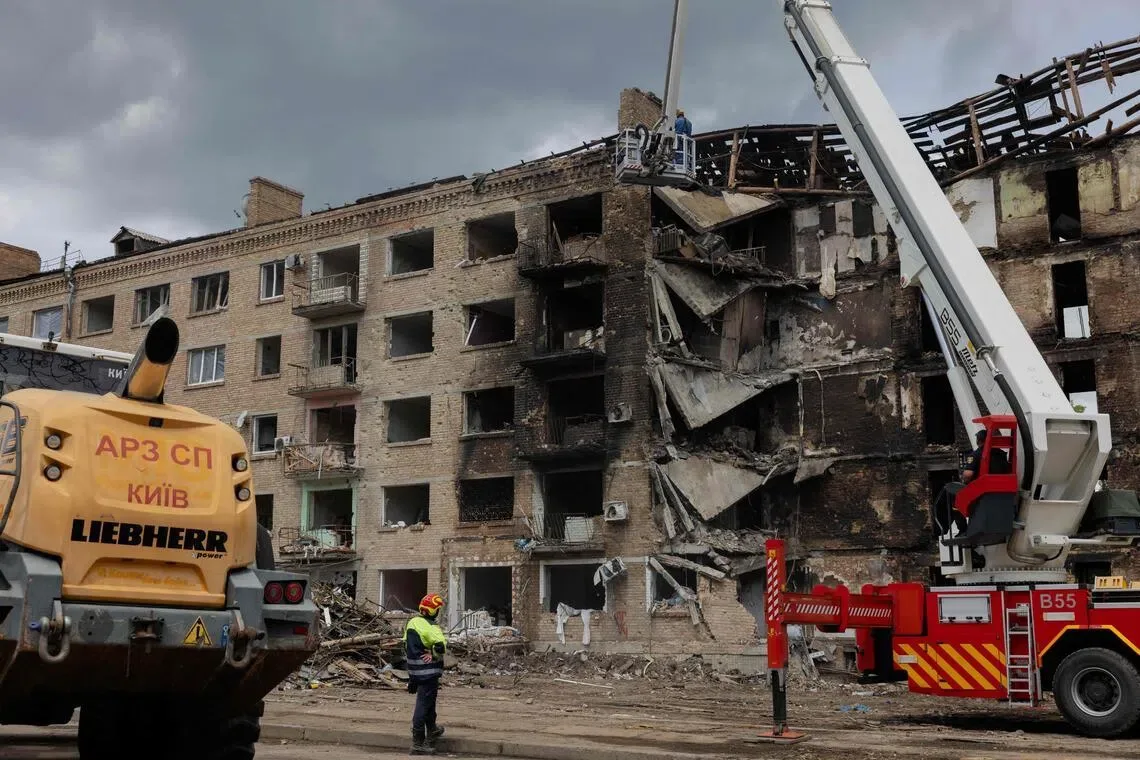
Recent weeks have seen a sharp rise in violence, with large-scale missile and drone attacks launched by Russian forces across Ukraine, including major strikes on Kyiv on May 23-24. Russian officials have publicly threatened to increase further attacks on Kyiv following those strikes [1, 2]. Earlier, on May 13-14, a Russian missile strike on a residential building in Kyiv killed 24 civilians and injured dozens [2].
The conflict also caused civilian casualties inside Ukraine and beyond. Ukrainian forces conducted an attack on a civilian educational complex in occupied Starobilsk on May 21-22 that killed 21 people and injured 44, according to Russian authorities. The UN Human Rights Office confirmed civilians, including students, were among the victims of this attack [1, 2]. Additionally, the UN highlighted that attacks by Ukrainian forces have caused civilian casualties inside Russia as well [1, 2].
The UN Human Rights Office reported that from January to April 2026, 815 civilians were killed and 4,174 injured in Ukraine. This represents a 21% increase in casualties compared with the same period in 2025, when 682 civilians died and 3,453 were injured [1, 2].
Both UN officials called on all parties to conduct independent and effective investigations into civilian casualties. Turk stressed the need for accountability: "I urge both sides to conduct prompt, independent, and effective investigations, and hold those responsible accountable." The warnings came amid a growing pattern of attacks harming civilians across battle lines [1, 2].
The UN’s next major step includes monitoring compliance with international humanitarian law and pushing for renewed dialogue between Russia and Ukraine to halt the violence and reduce civilian harm.