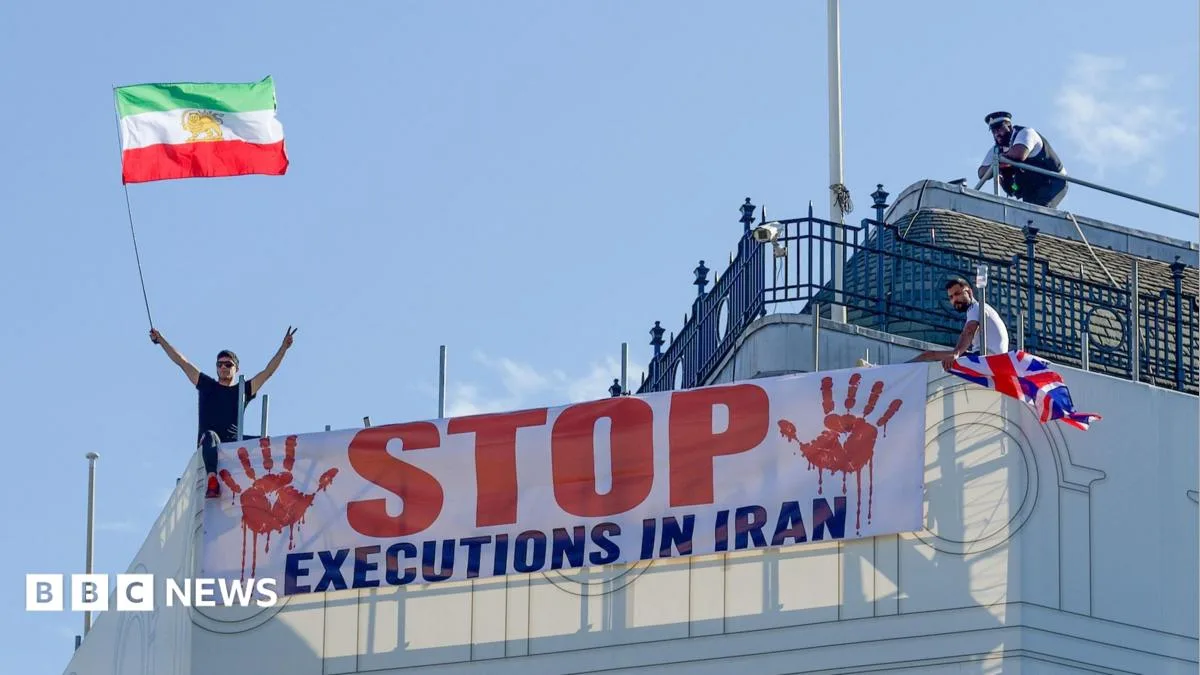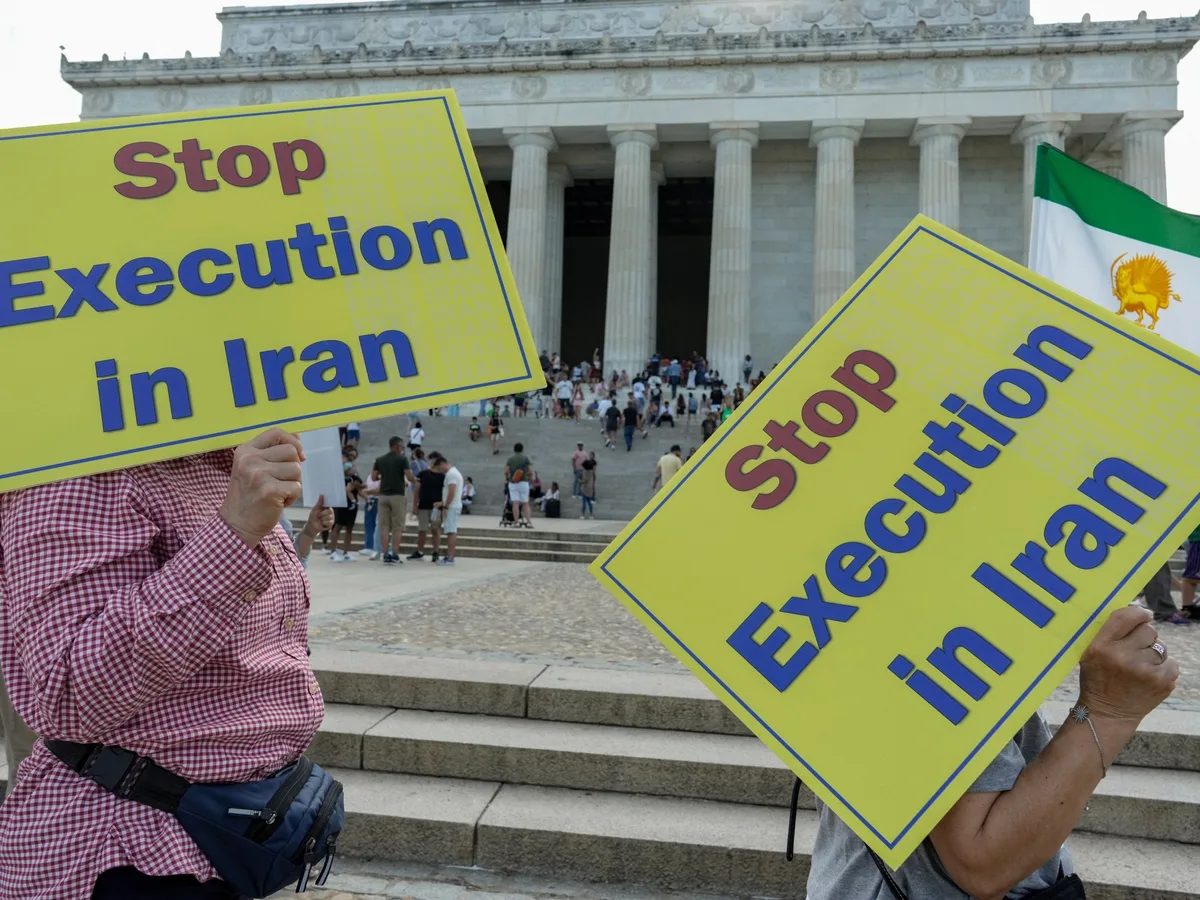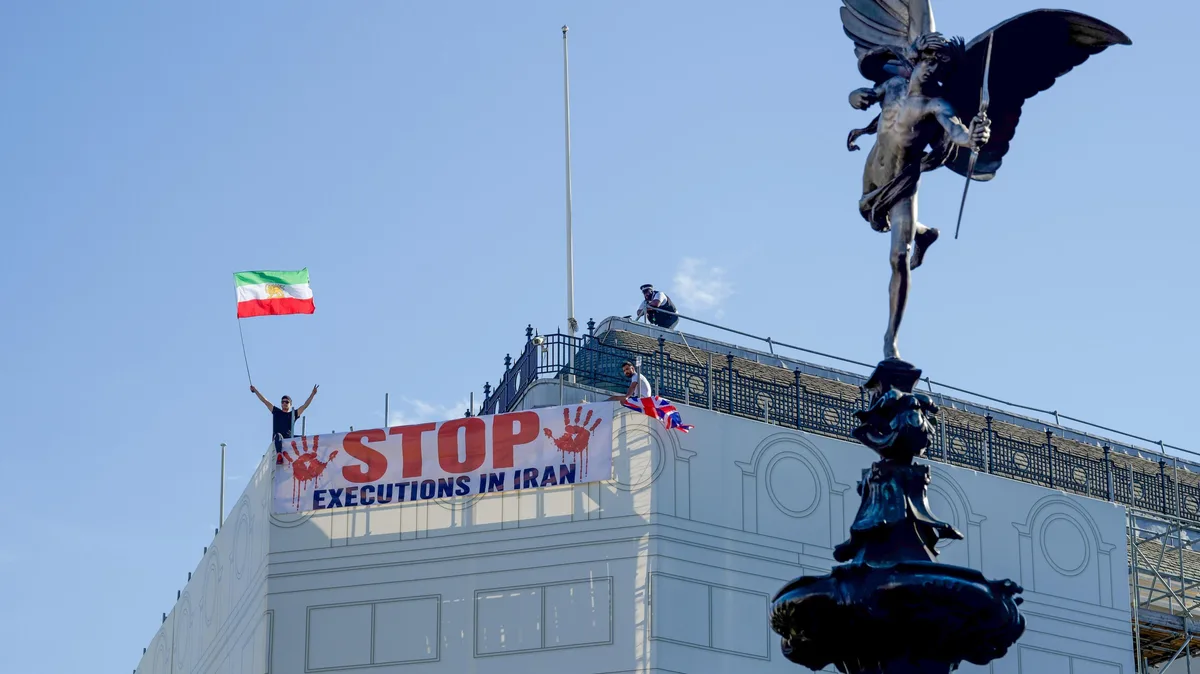
At least 56 people have been executed in Iran on national security-related charges since March 19, 2026, according to multiple sources. Twenty-seven of those executed were linked to the nationwide anti-government protests in January 2026, and more than 100 others remain at risk of execution on similar charges [1, 2, 3, 4].
The executions include drug-related offenses, which continue at an alarming rate in Iran. Many have been reportedly carried out shortly after arrest, sometimes within weeks, raising concerns about the fairness of trials. For example, 12 defendants were sentenced to death following a single three-hour closed-door hearing [1, 3, 4].
Confessions leading to death sentences are alleged to have been obtained under torture and other ill-treatment. Some executions have reportedly been done in public [1, 4].
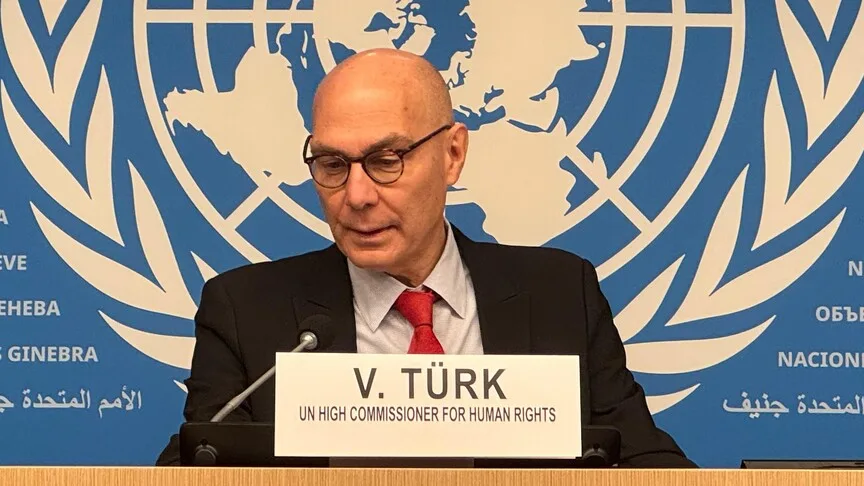
Volker Turk, UN High Commissioner for Human Rights, said, "I am alarmed by the rise in executions and death sentences issued in Iran since March, and that capital punishment continues to be used to instil fear among the population and suppress dissent." He urged Iranian authorities to "urgently halt all executions and move towards the abolition of the death penalty." Turk added, "The death penalty is incompatible with the right to life and irreconcilable with human dignity. Such punishment has no place in our world" [2, 4].
Iranian authorities defend their use of the death penalty as legally justified and necessary for public security [1, 2]. Iran was the world's second-most prolific executioner after China, carrying out at least 2,159 executions in 2025 according to Amnesty International [1, 3].
On August 3, 2026, Iran executed two men, Omid Behzad and Pouria Safvat, convicted of spying for Israel. Earlier in late July or early August, 19-year-old Arvin Kheirkhahan was executed on charges related to "enmity against God" [1].
The recent executions follow a period of unrest tied to protests and ongoing conflict. Human rights groups say the rise in capital punishment is a tool to instill fear and suppress dissent [1, 2, 3, 4].