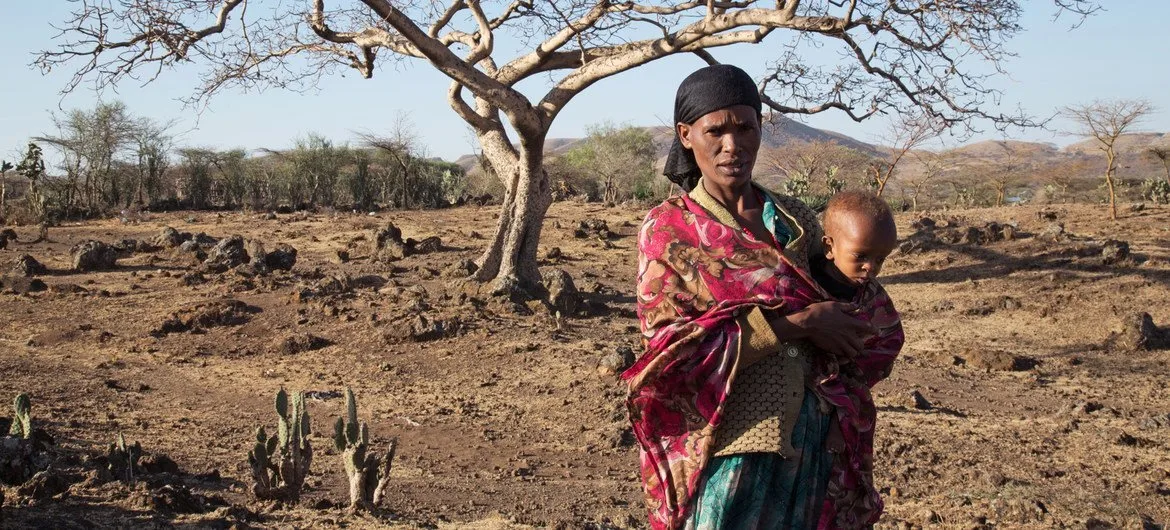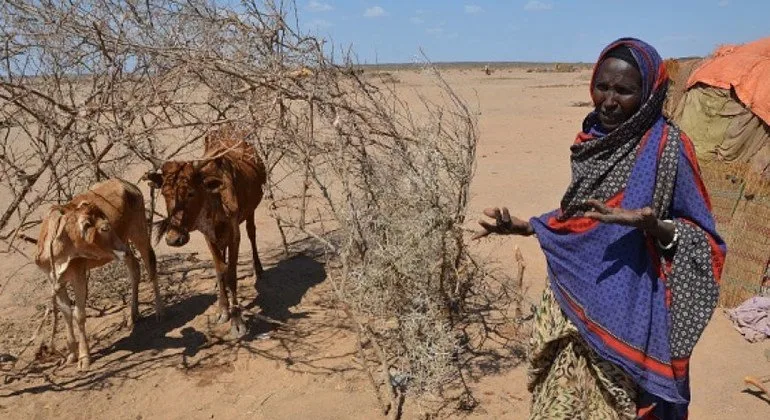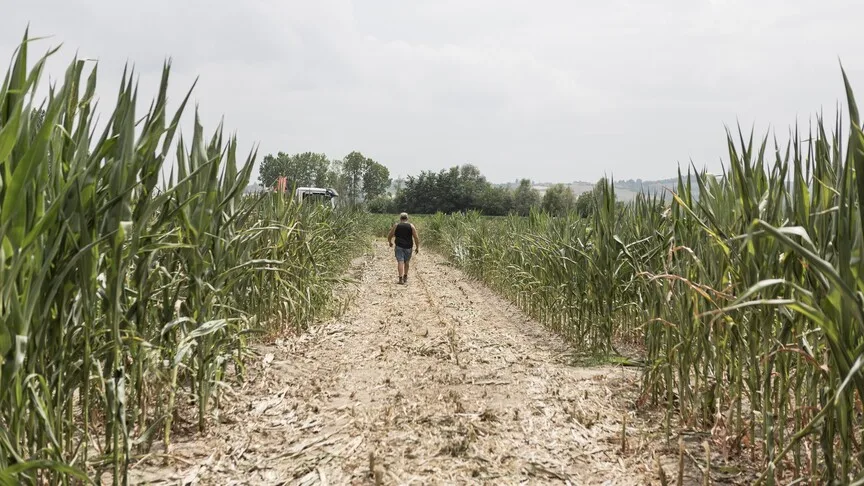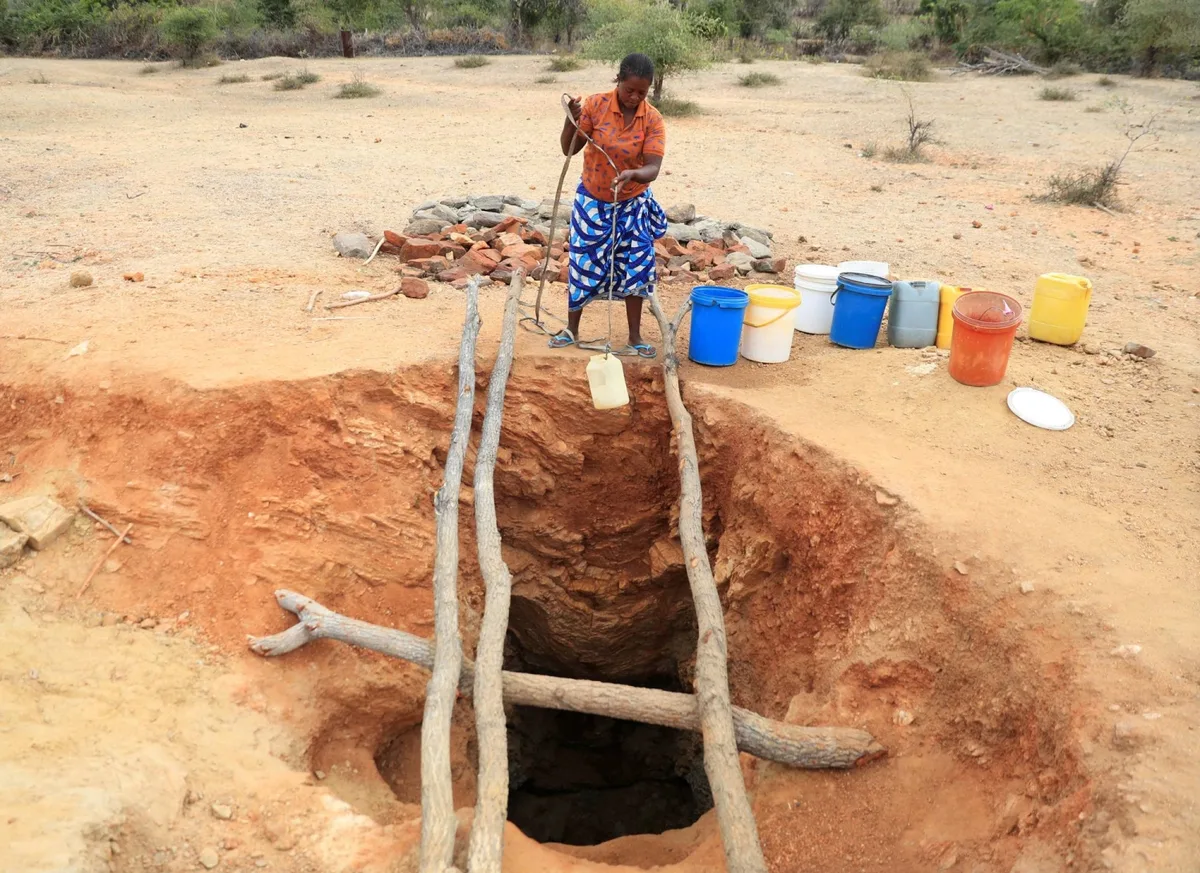
The World Food Programme (WFP) warned that the 2026-2027 El Niño event could push at least 49 million more people into acute food insecurity globally by the end of 2027, raising the total from about 225 million to 274 million across 45 vulnerable countries, a 22% increase [1, 2].
El Niño is expected to peak between September and December 2026, with impacts on food security lasting through 2027 [1, 2]. There is an 81% chance this could be a very strong event, potentially the strongest since 1950 [3]. The phenomenon disrupts weather patterns worldwide, causing droughts in Southern Africa, delayed monsoons in Asia, and erratic rainfall [3].
Regions likely to be hardest hit include Central America, Southern and East Africa, South Asia, and Southeast Asia [1, 2]. The number of acutely food insecure people in Central America alone could rise by 83%, adding more than 16 million newly affected in Latin America and the Caribbean [1, 2]. East and Southern Africa may see a 26% increase, impacting over 18 million more people [1, 2]. Asia and the Pacific could face an additional 8.2 million acutely food insecure [1, 2], while food insecurity in West and Central Africa may rise by 12%, adding nearly 6 million people [1].
Since May 2026, WFP has activated anticipatory action plans in six countries including South Sudan, Chad, Mauritania, Uganda, Guatemala, and El Salvador. These early responses have provided over $14 million in assistance to 500,000 people to help mitigate the impacts [1, 2]. WFP Acting Executive Director Carl Skau said, "El Nino is a massive threat to the food security of millions who are already vulnerable" [2].
Experts note that investing $1 in prevention can save between $3 and $7 in future losses and emergency responses [1, 2]. The global food security outlook depends heavily on managing the risks posed by El Niño’s peak period from September through December 2026 and the lingering effects through the end of 2027 [1, 2].