Yemen faces its highest risk of returning to large-scale conflict since the 2022 UN-brokered truce, UN envoy Hans Grundberg warned the Security Council today[2026-08-13] [1, 2, 3]. He said, "Yemen today faces a more serious risk of return to large-scale conflict than at any point since the 2022 UN-mediated truce" and added that "four years of calm can be lost in a few weeks of escalation" [3].
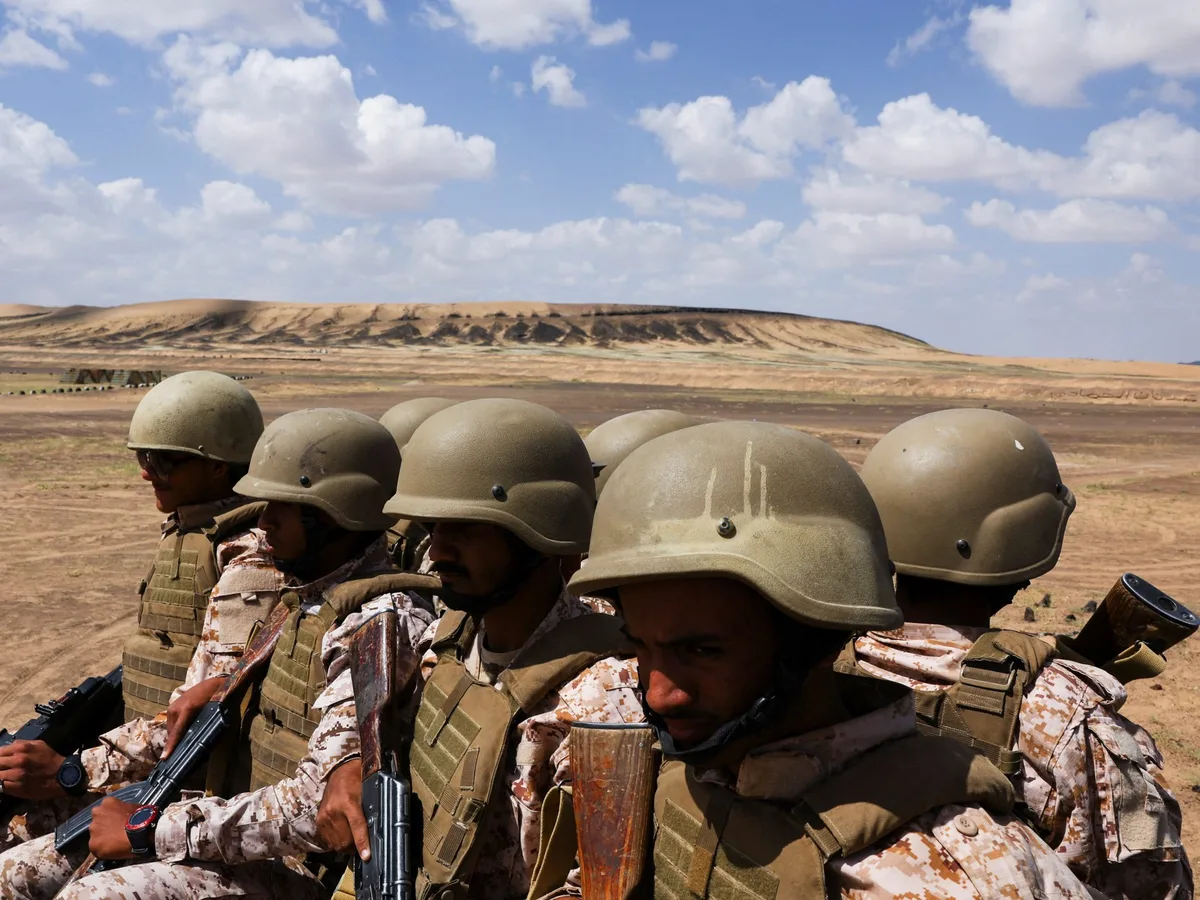
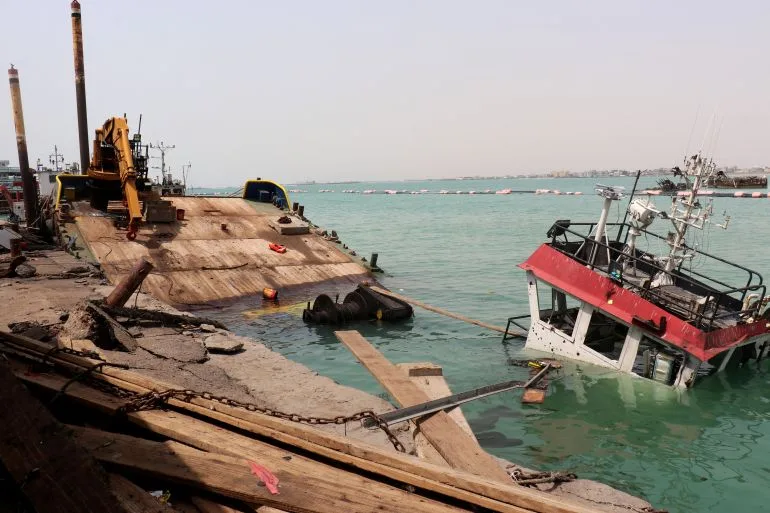
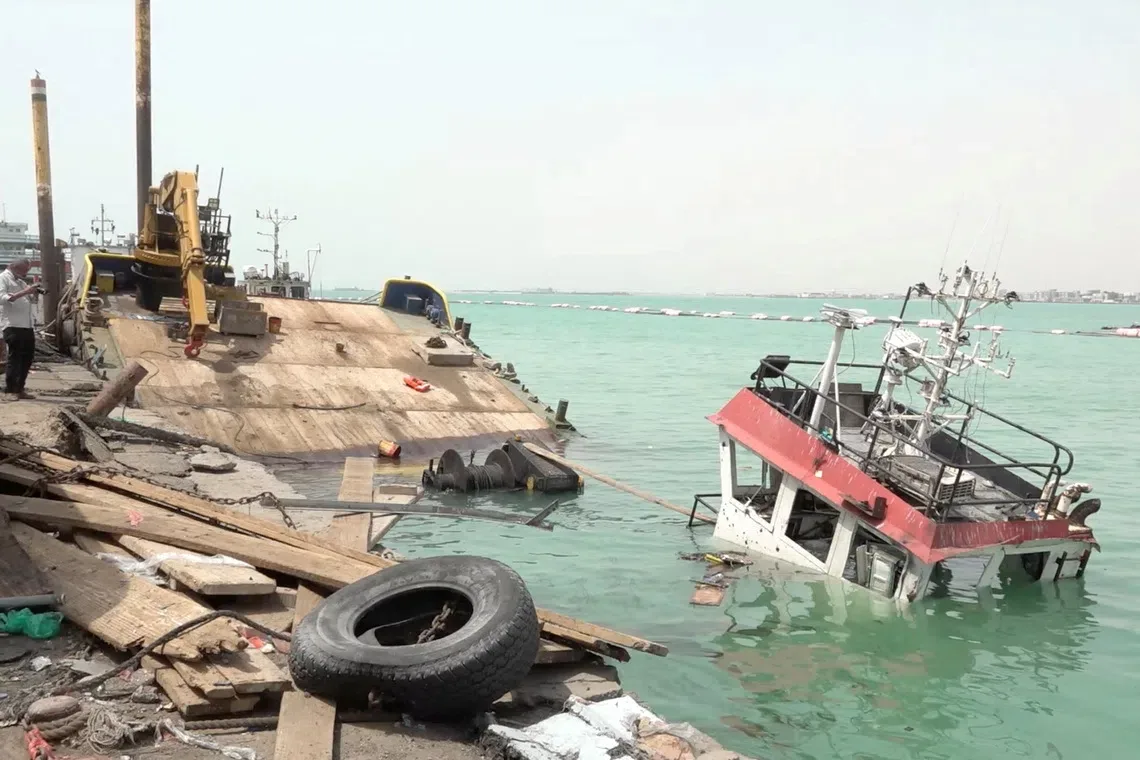
Military activity has intensified sharply in recent days along frontlines including Marib, Hadramawt, Mocha, Taiz, Al-Jawf, and Al-Dhalea, raising fears of renewed large-scale fighting [1, 4, 2, 3]. On July 20, the Houthi movement announced a naval blockade on Saudi Arabia in the Red Sea, leading to Saudi-led coalition air strikes targeting Houthi military sites in Hodeidah [1]. Attacks on commercial vessels in the Red Sea and Gulf of Aden have increased, including a missile strike just two days before the UN warnings that killed several crew members [1, 4, 2, 3].
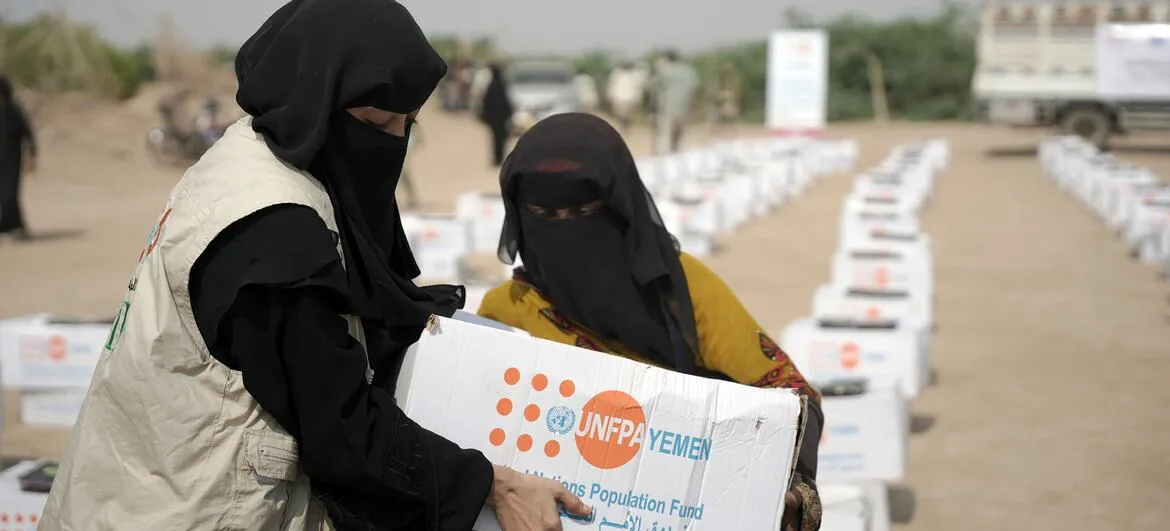
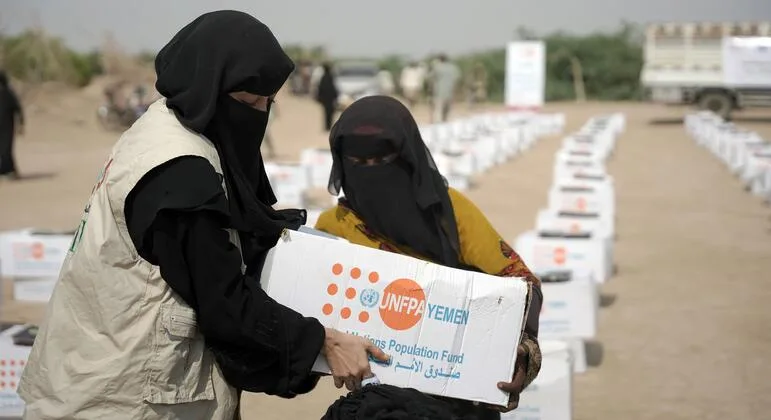
The conflict’s humanitarian toll continues to deepen. More than half of Yemen’s population faces acute food insecurity, with 6 million people living at emergency levels bordering famine, the highest figure globally, according to UN officials. Tom Fletcher of the UN stated, "Six million people, the highest number globally, face emergency levels of deprivation, bordering on famine" [1, 4, 3]. Nearly 11 million women and girls need humanitarian aid, and three women die daily from preventable pregnancy-related complications due to collapsed health services [4, 3].
The El Niño climate phenomenon is expected to reduce rainfall by 40% in Yemen's agricultural areas, worsening both food and water crises [4, 3]. Meanwhile, over 73 UN personnel and aid workers remain arbitrarily detained by Houthi authorities [1, 4, 3]. Preparations to release more than 1,600 conflict-related detainees agreed in May 2026 are proceeding slowly and risk derailment amid rising conflict [1, 4].
Yemen’s economy has become a frontline of the conflict, with trade, revenues, and basic services increasingly politicized. UN officials have urged economic de-escalation alongside a ceasefire and the protection of shipping lanes. They have called for resumption of oil exports and commercial flights from Sanaa airport to ease humanitarian suffering [2, 3].
The 2022 truce initially brought relative calm but formally expired amid rising regional tensions in 2023, stalling peace progress [1, 4, 2]. As fighting intensifies, the UN is pressing all parties for immediate de-escalation and safeguarding humanitarian access [1, 4, 2, 3]. The Security Council will monitor the situation closely as preparations continue for the release of detainees and efforts to revive peace talks.