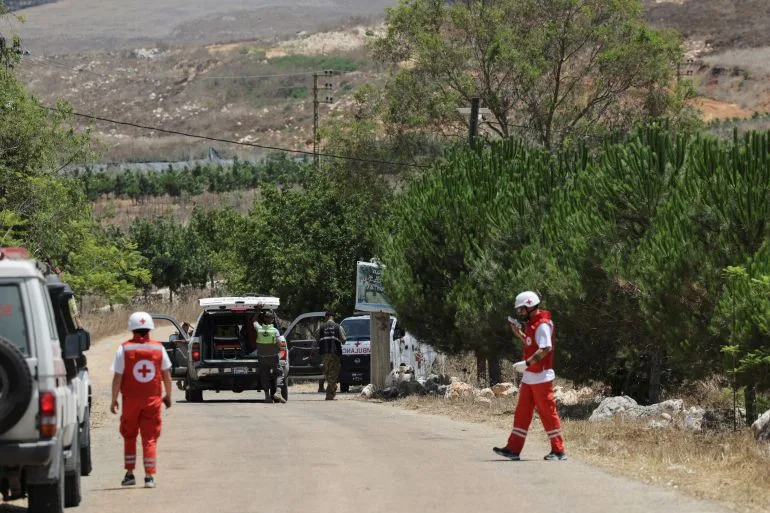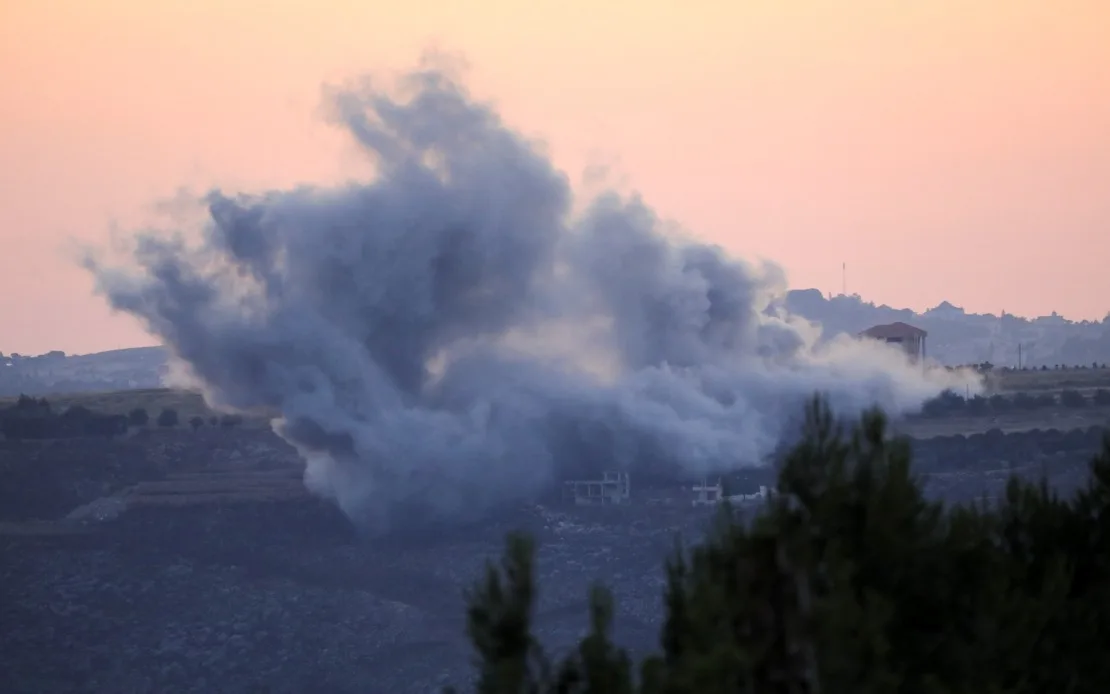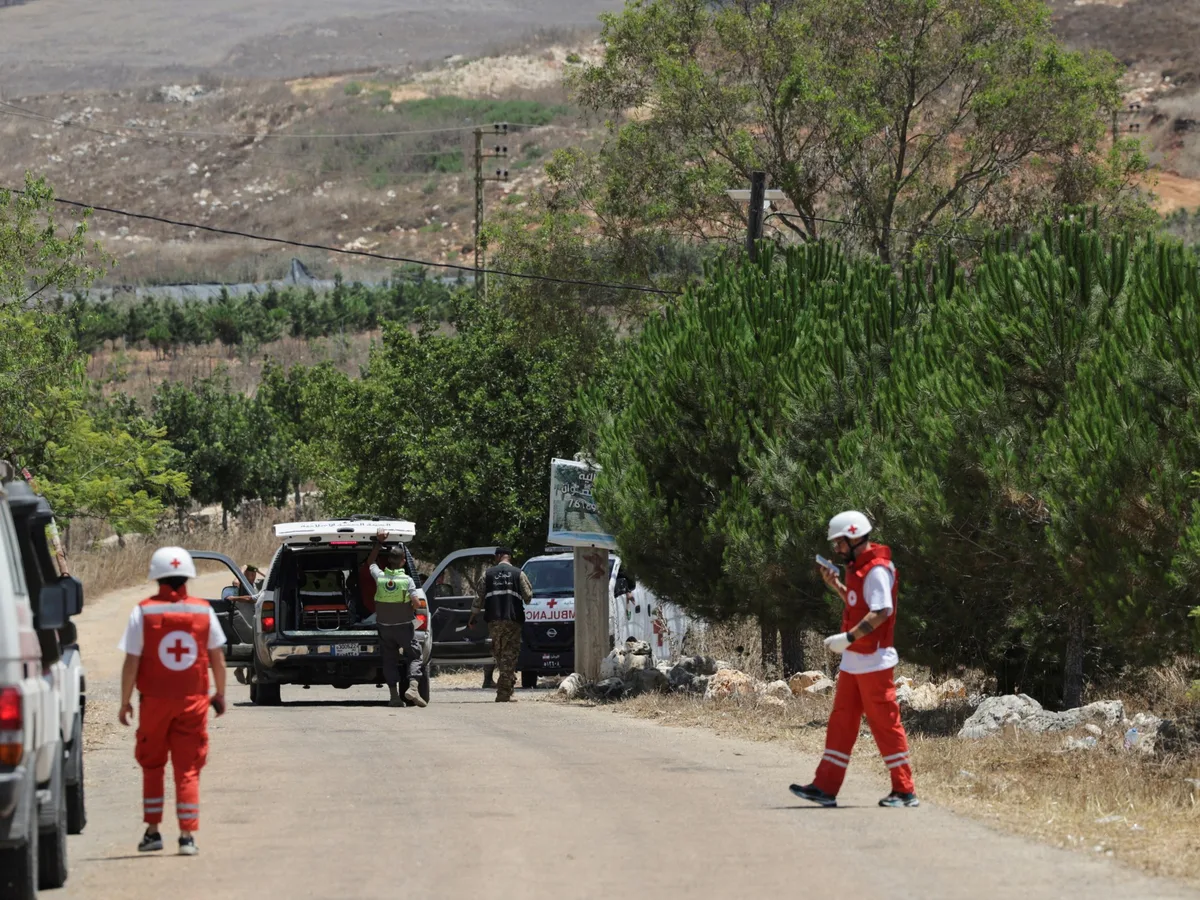
The UN Interim Force in Lebanon (UNIFIL) recorded an average of 137 projectiles fired per day by Israeli forces in southern Lebanon between August 5 and 16, 2026, including 208 projectiles on August 15 and 185 on August 16 alone [1, 2, 3]. This sharp increase in military activity has deeply affected civilians, who face displacement and disruptions to daily life amid insecurity and uncertainty. UNIFIL noted, "As tensions rise, civilians are once again paying the highest price, with many families displaced or forced to change their daily routines" [1, 2, 3].
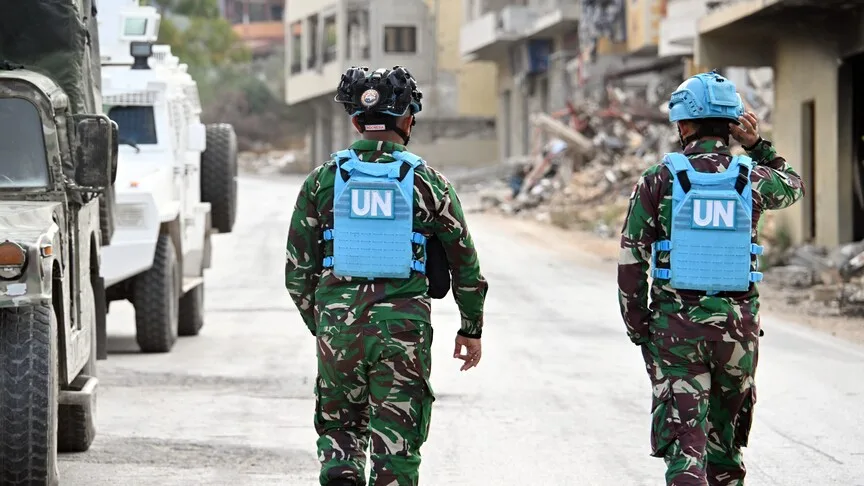
Israeli forces currently occupy several parts of southern Lebanon. Some areas have been held for decades, while others were seized during fighting in 2023 and 2024, when Israeli troops advanced over 10 kilometers into Lebanese territory [2, 3]. In response to hostilities, UNIFIL peacekeepers continue patrols and efforts to clear road obstacles, reduce explosive risks, and facilitate humanitarian aid access to affected communities [1, 2, 3].
The 2006 UN Security Council Resolution 1701 continues to guide operations, mandating cessation of hostilities between Israel and Hezbollah, deployment of the Lebanese army, and presence of UNIFIL in southern Lebanon [1, 2, 3]. On June 26, 2026, Lebanon and Israel signed a framework agreement stipulating a gradual Israeli withdrawal from occupied territory, Lebanese army deployment in vacated areas, and the disarmament of armed groups, referring to Hezbollah [2, 3].
On August 17, Lebanese President Joseph Aoun publicly supported extending UNIFIL's mandate and maintaining an international force presence in the region. He "voiced support for extending UNIFIL’s mandate and adopting a formula that ensures the continued presence of international forces in the area" [1, 2, 3].
UNIFIL’s current mandate is set to expire at the end of 2026 amid ongoing international debate over its future role in Lebanon [1, 2, 3].