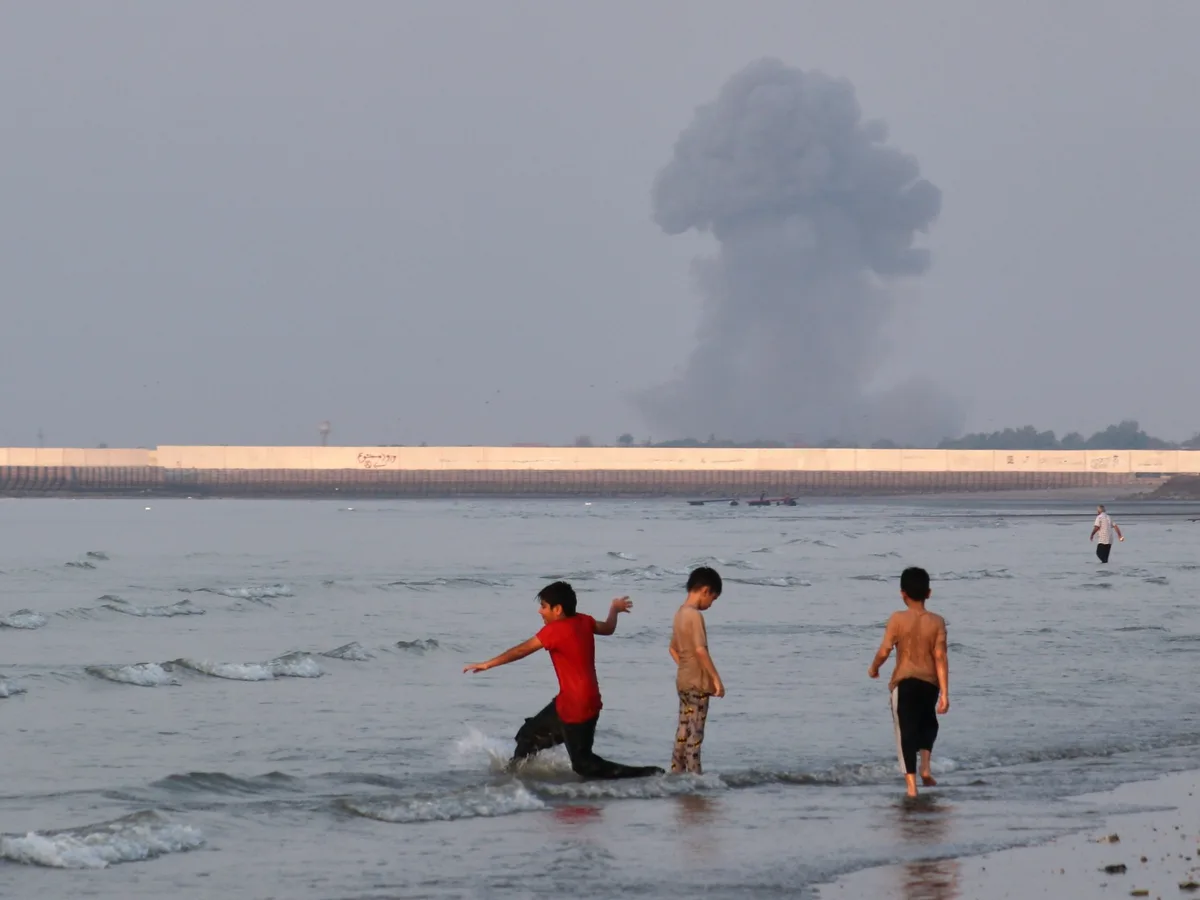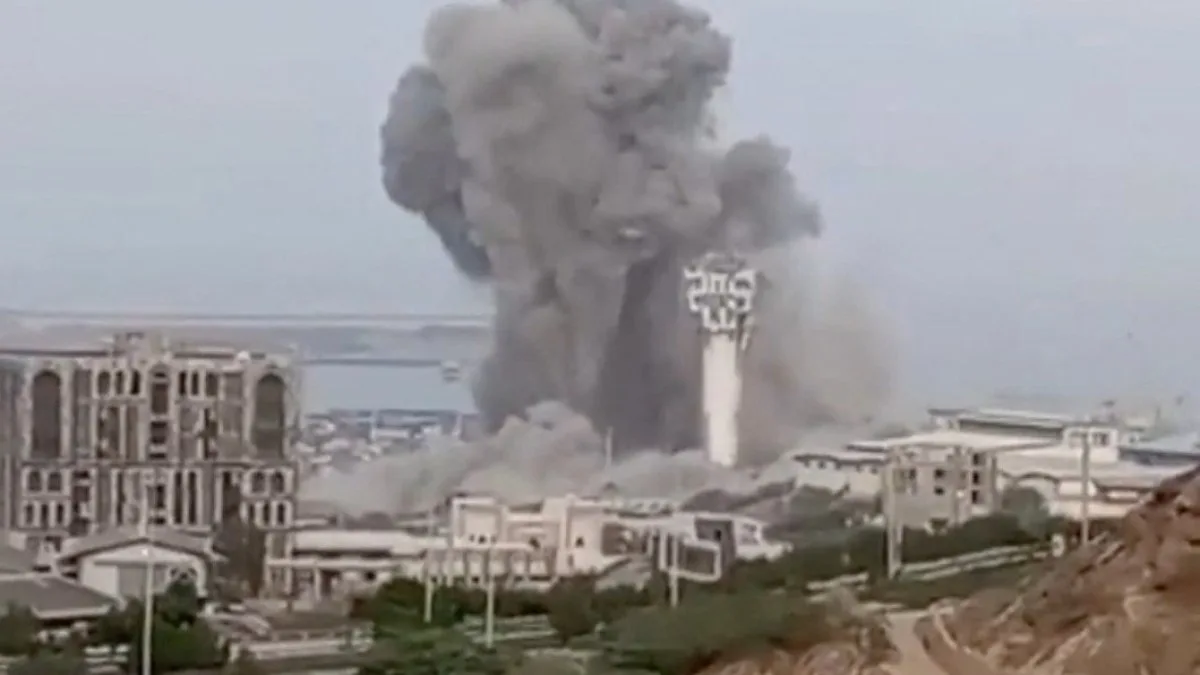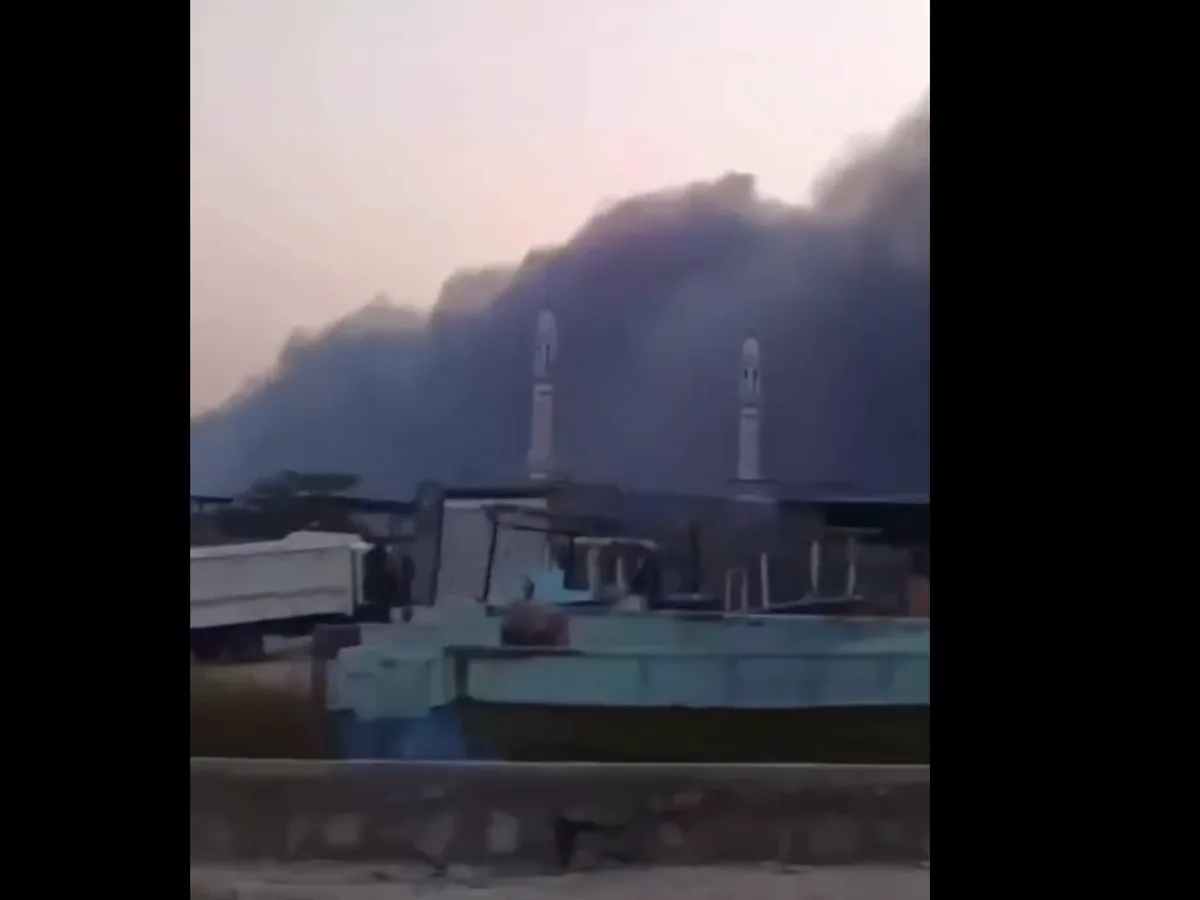
Between July 12 and 14, the US carried out multiple waves of airstrikes targeting Iranian military installations across southern Iran, including Bandar Abbas, Qeshm Island, Kish Island, Bushehr, Jask, Sirik, Chabahar, Ahvaz, Konarak, Kangan, and Abu Musa Island [1, 2, 3, 4, 5, 6, 7, 8, 9, 10, 11]. On July 12 alone, 10 to 11 projectile strikes hit Qeshm Island, focusing on military sites without reported casualties [1, 6, 7]. Explosions and missile strikes continued through July 13 and 14, with reports of attacks near Konarak and as far as Chabahar and Dashtiari [10].
US Central Command (CENTCOM) said the strikes aimed to degrade Iran's ability to threaten commercial shipping and vessels passing through the Strait of Hormuz [5, 8, 9, 11]. A CENTCOM statement on July 13 said precision munitions hit dozens of targets at multiple locations to reduce Iran's capacity to threaten maritime traffic [9].
Iran retaliated by attacking US military sites in Kuwait, Bahrain, Qatar, Jordan, and Oman following the US strikes, escalating military confrontations across the Gulf region [3, 12, 7, 8].
On July 14, President Donald Trump declared the US was "taking out all of Iran’s capability for anything having to do with the Strait of Hormuz" but said he still believed a diplomatic agreement was possible [11]. He also announced a naval blockade of Iranian ports and reversed a planned 20% toll on cargo through the Strait of Hormuz, instead seeking investment deals with Gulf states [4, 10].
Iran declared the peace deal signed on June 17 void on July 15, calling the conflict an "existential war" after US strikes killed seven Iranian troops at a barracks in Bampour [12]. Iran’s top negotiator Mohammed Bagher Ghalibaf said the armed forces have "complete freedom of action" against the enemy’s aggression [12]. The Ministry of Foreign Affairs spokesman Esmaeil Baghaei stressed that commitments remain only as long as the other side fulfills its pledges [12].
Iranian authorities reported one telecommunications official killed and two injured while restoring communications after the attacks, but no large-scale civilian casualties were reported directly from the strikes [7].
Recent conflict developments include the US announcing the conclusion of its latest round of strikes on July 13, after hitting multiple Iranian targets with precision attacks [9]. Explosions and missile strikes persisted through July 14, with intensified US efforts to degrade Iran’s military capabilities in the Gulf [10, 11].
The next key moment will be monitoring how Iran responds in the coming days to the declared naval blockade and growing military pressures in the Gulf region.