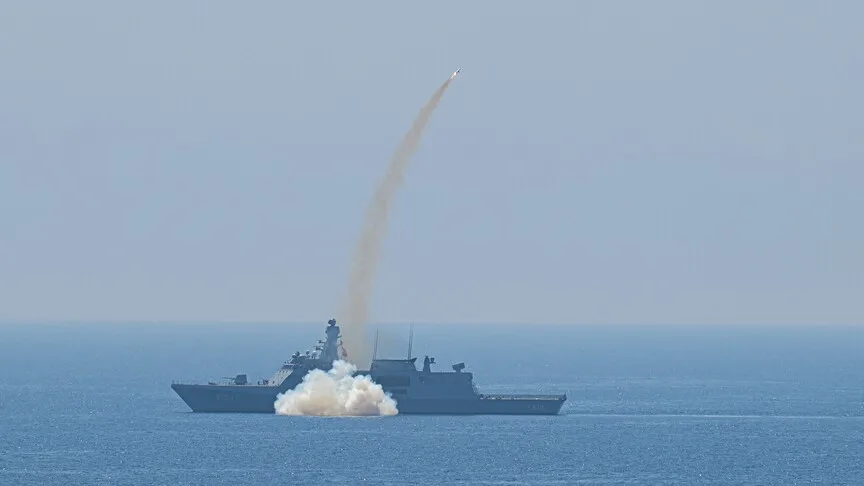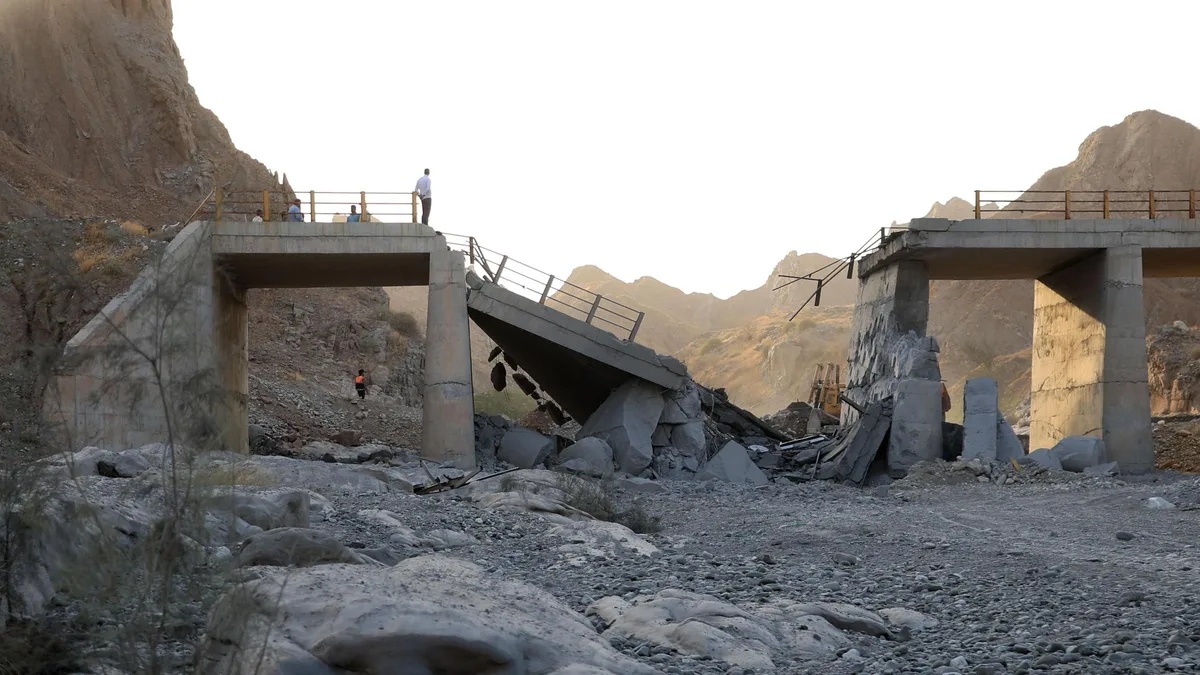
The US launched air strikes targeting Iranian coastal surveillance and air defense facilities, including on Qeshm Island in the Strait of Hormuz, in retaliation for attacks that killed two US troops in Jordan, with one service member missing, officials said [1]. US Defence Secretary Pete Hegseth said, "Godspeed, heroes. Their sacrifice only stiffens our resolve" [1].
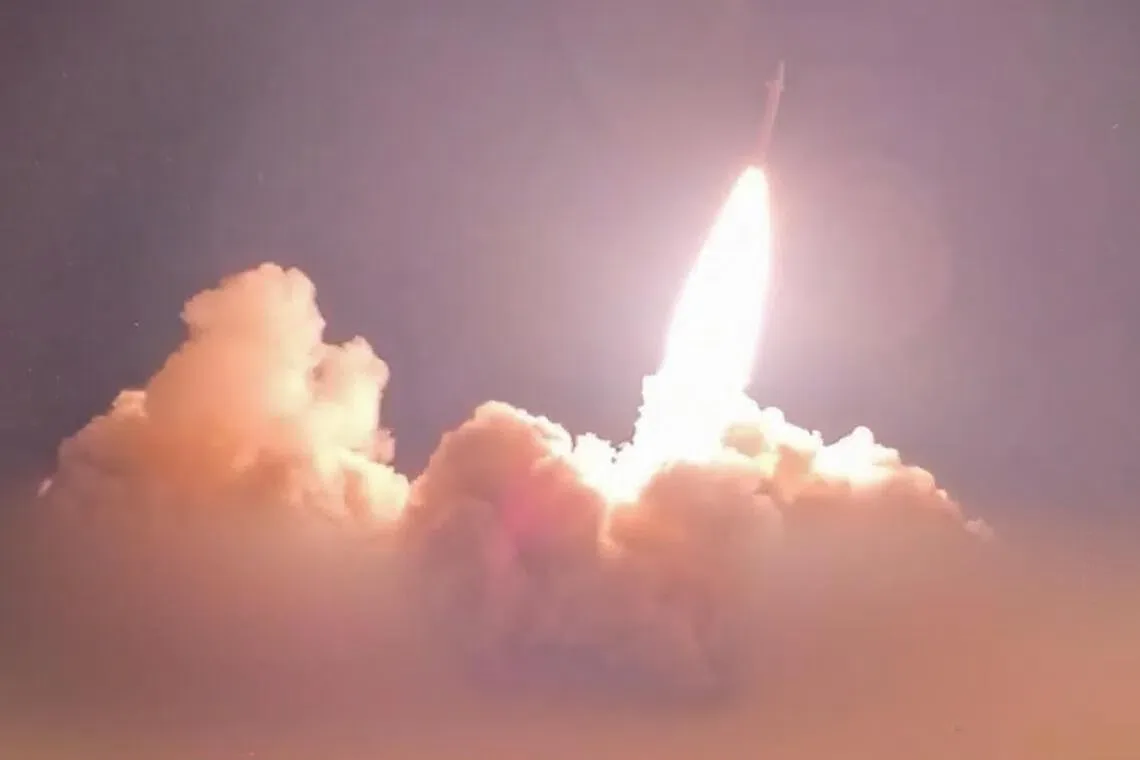
Iran responded with drone and missile attacks on US military bases in Kuwait and Bahrain. The strikes hit a US naval fuel support pier at Al Ahmadi port and Sheikh Isa Air Base in Bahrain [1, 2]. Iranian state TV said, "The attacks were in response to the crimes of the arrogant enemy and in revenge for the blood of the martyrs of the homeland" [3].
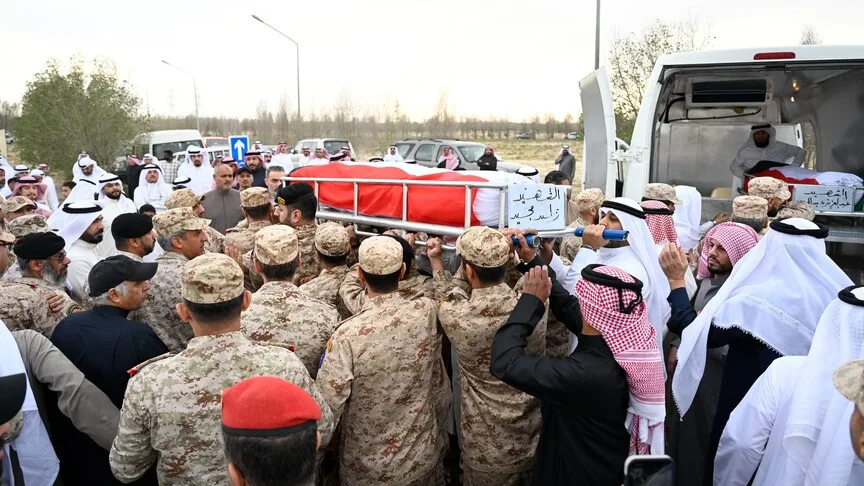
Iran’s Islamic Revolutionary Guard Corps (IRGC) claimed to have destroyed US intelligence and communications centers in Bahrain and Kuwait, though these claims have moderate confirmation [2]. Several Kuwaiti soldiers were injured in Iranian drone strikes on Kuwaiti military facilities and camps, with the Kuwait Defense Ministry stating the wounded received medical care and were in stable condition [4, 5].
Kuwait intercepted ballistic missiles and drones targeting its territory since early Friday, damaging vital and civilian infrastructure but causing no civilian casualties [5].
Tensions have continued to escalate despite a Pakistan-mediated memorandum of understanding signed in June aimed at ending the war and achieving peace [1, 5, 2]. Iran declared the Strait of Hormuz closed amid the renewed hostilities, and the US reimposed a blockade on Iranian ports [1].
The overall US death toll in the conflict has reached 16, including the two most recent deaths in Jordan and a missing service member [1].
The initial Iranian drone strikes targeting US bases in Kuwait and injuring Kuwaiti soldiers began on July 17, with ongoing missile interceptions announced on July 18. The US air strikes followed on the night before July 18 [1, 3, 4, 5].