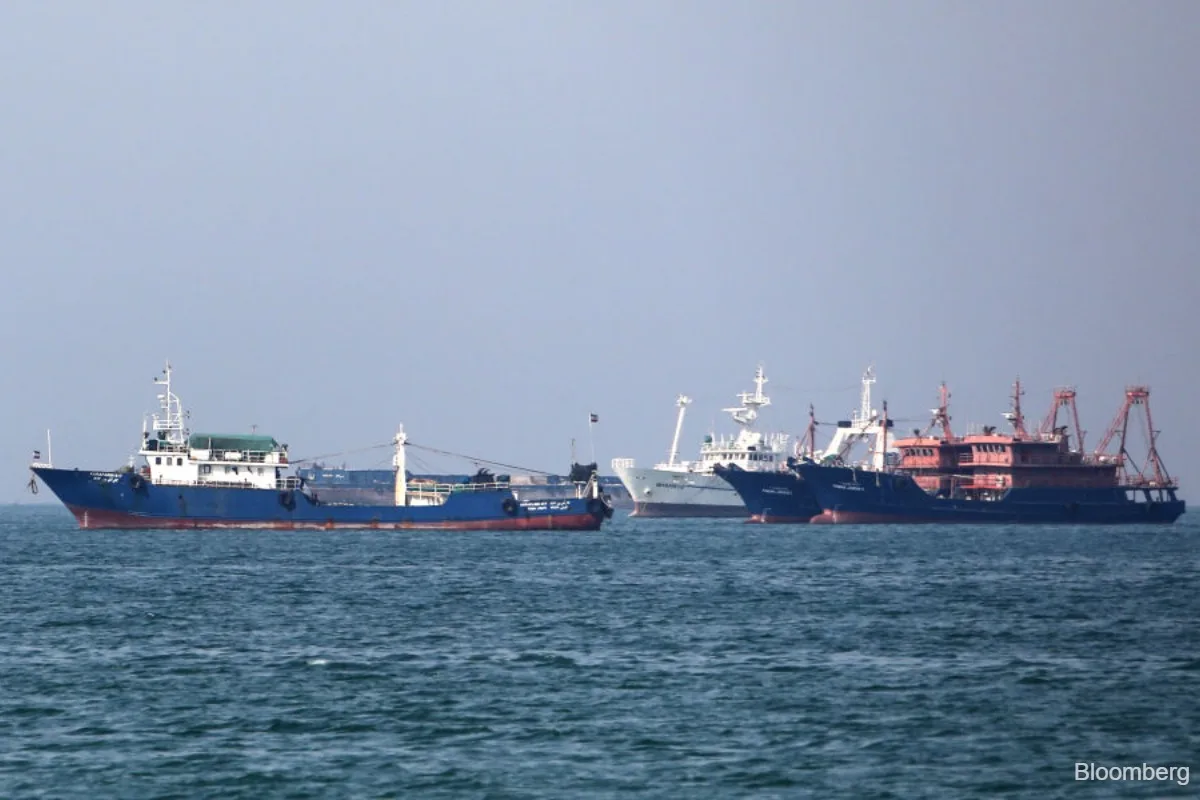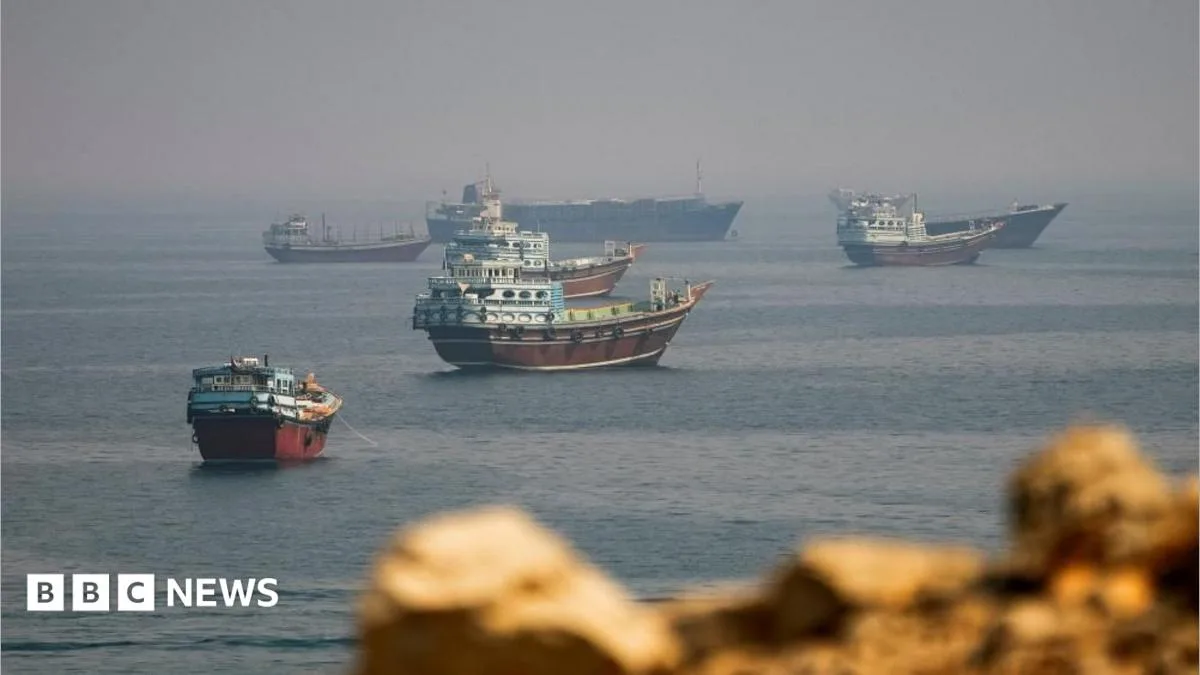
US forces launched a new round of air strikes on September 1, 2026, targeting Islamic Revolutionary Guard Corps (IRGC) positions near the Strait of Hormuz in southern Iran [1, 2, 3]. The strikes retaliated against recent IRGC attempts to attack commercial shipping in the strategic waterway and assaults on US service members deployed in the region, according to US Central Command [1, 3, 4].
Explosions and projectile impacts were reported across several southern Iranian locations, including Chabahar, Konarak, Bandar Abbas, Qeshm Island, and Larak Island [1, 2, 3]. The US military stated the targets hit included air defense sites, radar installations, maritime assets, and communications facilities linked to the IRGC [5, 6].
US President Donald Trump described the strikes as "large and powerful," warning Iran it could face an even stronger response if it retaliated. He said, "The United States is, as we speak, striking Iranian Targets near the Strait of Hormuz. It will not be the biggest attack of them all... When it is over, there will be very little left of the Islamic Republic of Iran" [1]. Trump added, "If the failed Nation of Iran retaliates for this very justified attack, they will be hit again at a much harder and higher level" [7].
In response, Iran launched missile strikes on US bases in Jordan and regional targets including Bahrain and Iraq. It fired at least eight missiles at the Jordanian base alone [1, 8, 9].
The violence has affected civilians: five people, including a 4-year-old child, were killed and 50 to 68 wounded in a wedding bombing near the Strait of Hormuz amidst the clashes [5].
The renewed fighting pushed global oil prices sharply higher. Brent crude reached $94.52 a barrel while West Texas Intermediate (WTI) neared $90 a barrel as markets reacted to risks around 17 million barrels of oil transited the Strait on September 1 [2, 7, 10].
These latest strikes mark the most serious escalation in weeks following a relative lull. They build on a recent US attack on Iranian rocket launchers on Larak Island on August 30 and Iran’s missile retaliation against US bases the next day [1, 3, 4].
US military officials announced the completion of the latest wave of strikes on the evening of September 1. President Trump reiterated that if Iran rebuilt radar and defense capabilities, they would be targeted again with greater force [5, 10, 9].