The US government defended visa denials that stopped several officials and fans from entering the country during the 2026 World Cup [1, 2]. Reports surfaced that at least one Somali referee and an Iraqi team staff member were denied entry at US airports during the tournament period [2].
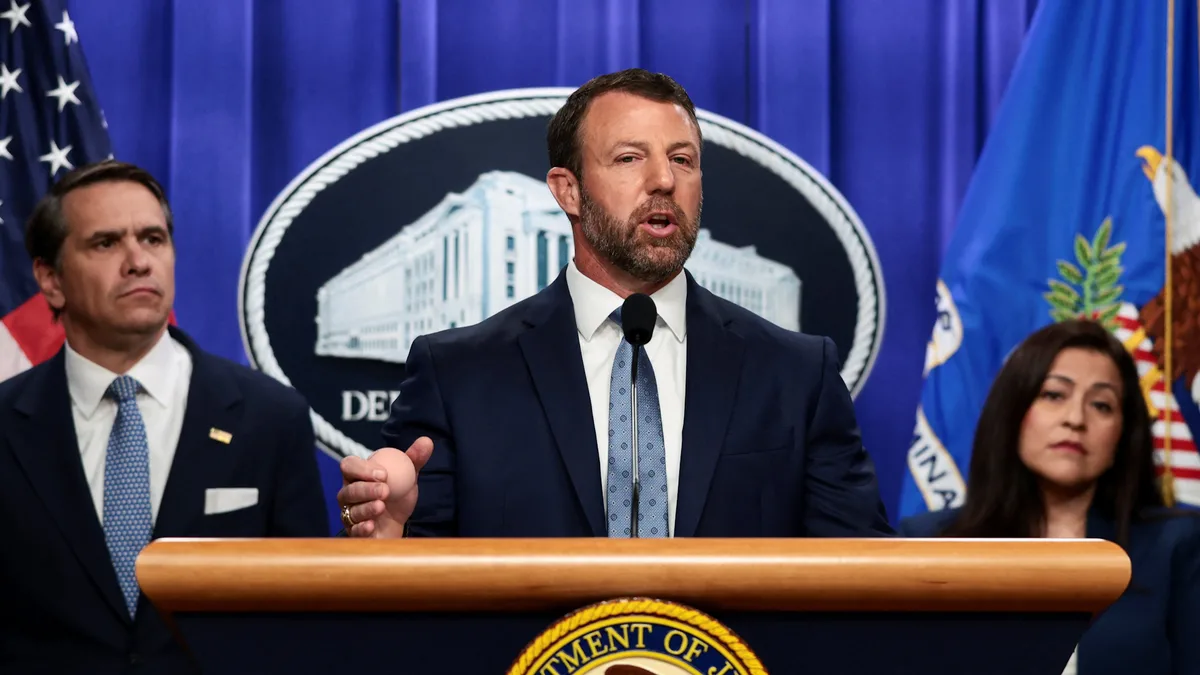
US Homeland Security Secretary Markwayne Mullin said the decisions were based on national security concerns and individuals’ criminal records, not on nationality bias. He addressed media questions on June 11, 2026, as the World Cup began, stating that the visa restrictions were operational and security-driven [2].
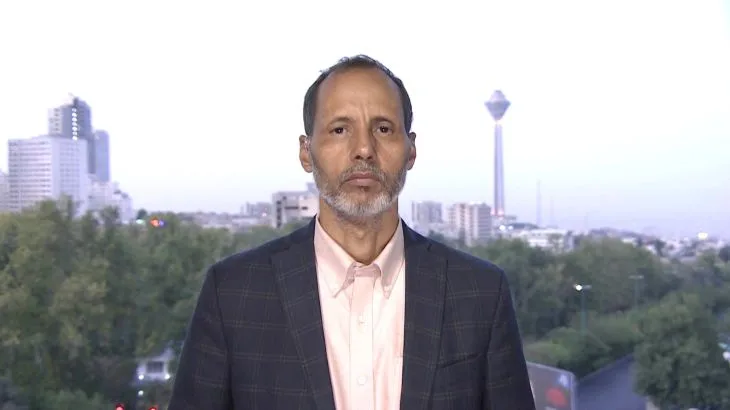
The entry restrictions followed a proclamation issued by then-President Donald Trump on June 4, 2025, which specifically limited the entry of Somali nationals into the US [2]. Somali referee Omar Abdulkadir Artan was denied entry to officiate at the World Cup but was later selected to oversee the UEFA Super Cup scheduled for next month [2].
US officials maintained ongoing communication with FIFA throughout the tournament, explaining each visa denial related to the event [2]. Despite this, critics and some media outlets accused US visa policies of discrimination against particular nationalities, sparking backlash and calls for World Cup boycotts [1, 2].
The government holds that visa denials are made on a case-by-case basis reflecting security protocols. The selection of Artan for the UEFA Super Cup next month serves as a notable follow-up to his exclusion from the World Cup.