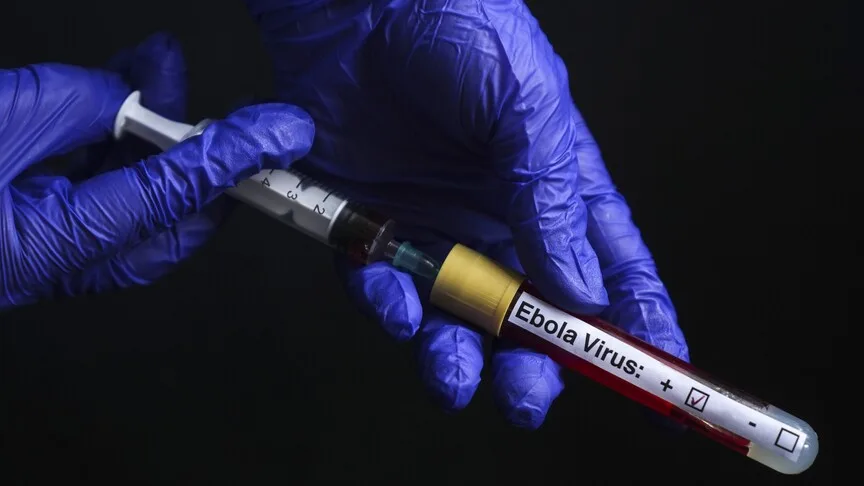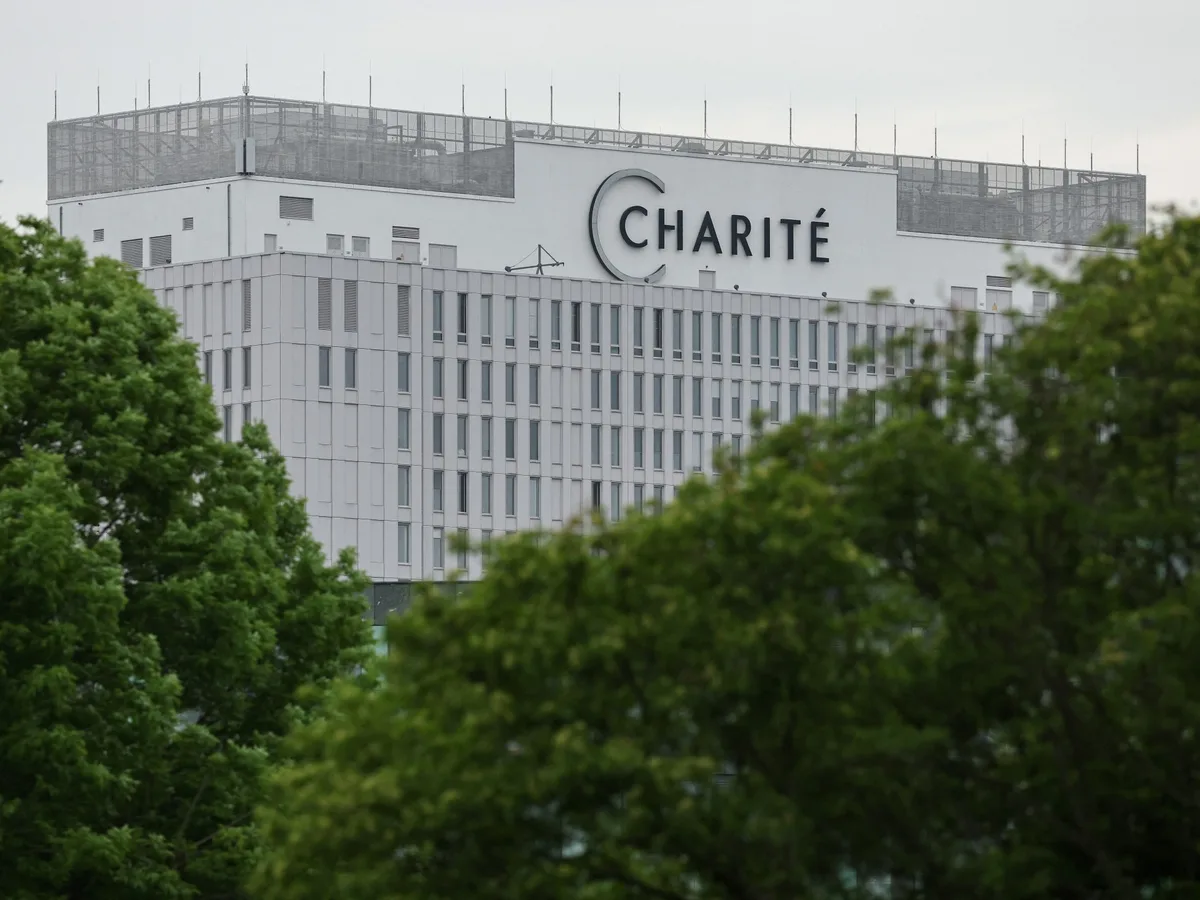
Peter Stafford, a 39-year-old US doctor working as a missionary surgeon in the Democratic Republic of Congo (DRC), recovered from infection with the Ebola Bundibugyo strain following treatment at Charite hospital in Berlin [1, 2]. Stafford was admitted to Charite on May 20, 2026, after evacuation from Uganda by a special aircraft under strict precautions [1, 2].
Stafford contracted Ebola while operating on a patient at Nyankunde Hospital in Bunia, eastern DRC, where he had worked since 2023 [2]. The Ebola outbreak in eastern DRC was officially declared on May 15, 2026, with cases rising to 488 and 86 deaths by early June [1]. Uganda reported 19 cases amid the regional spread [1].
During his treatment at Charite, Stafford received experimental antiviral therapies and supportive care. His viral load sharply declined by May 30, with no Ebola virus detected in subsequent PCR tests [1, 2]. Leif Erik Sander, a lead physician at Charite, said, "We are very pleased with the successful course of treatment and consider this a significant therapeutic success" [2].
Stafford’s wife Rebekah and their four children were evacuated to Berlin as high-risk contacts. They were quarantined but showed no symptoms and were released from isolation alongside Stafford when he was discharged on June 6 [1, 2]. Stafford expressed gratitude for the care he received, saying, "I received first-class care, including experimental therapies currently being trialed for this type of virus. Words cannot adequately express my gratitude. Thank you to everyone who made this possible. Our thoughts remain with the people in the Congo who do not have access to such care" [2].
Currently, no approved vaccines exist for the Bundibugyo strain, though three experimental vaccines are in research for fast-tracked trials [1]. Stafford’s case marks a rare success with advanced therapeutic protocols.
Peter Stafford was discharged from Charite hospital and cleared from quarantine on June 6, 2026, completing his recovery [1, 2].