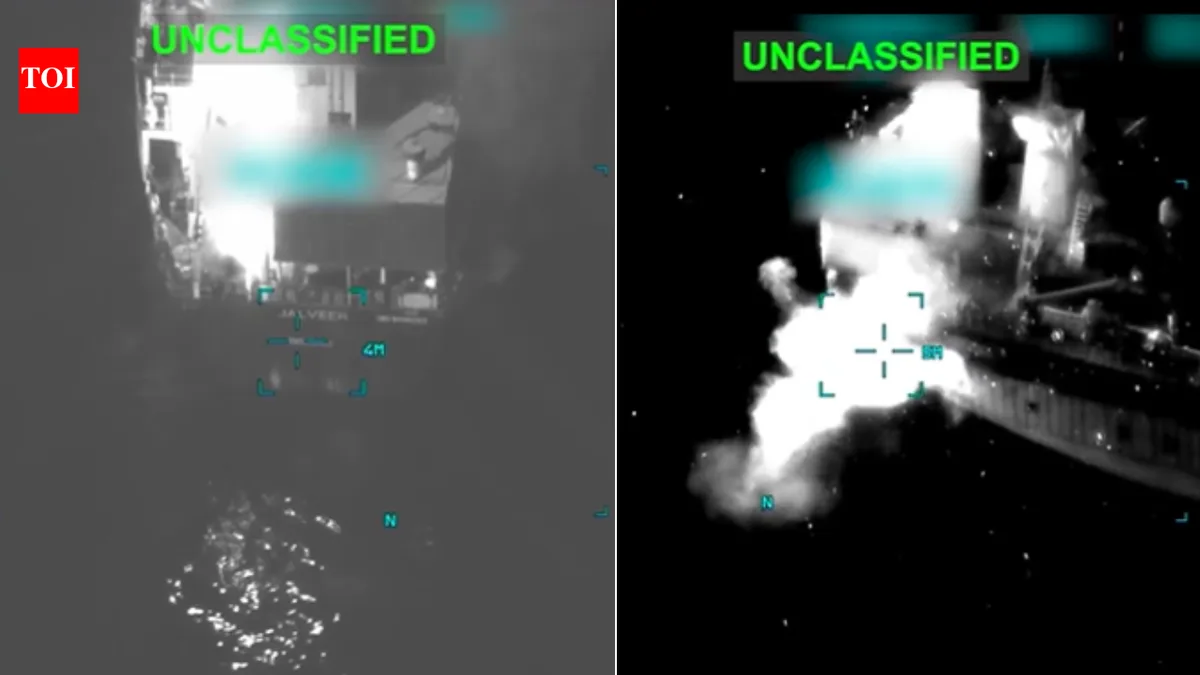
US forces disabled three oil tankers in the Gulf of Oman between June 8 and 10, 2026, for violating the Iran maritime blockade by attempting to transport Iranian oil or dock at Iranian ports. On June 10, US forces fired two Hellfire missiles into the engine room of the Guinea-Bissau flagged M/T Jalveer after repeated non-compliance by its crew, disabling the tanker. The vessel carried 20 Indian seafarers, all confirmed safe by Indian authorities [1, 2].
The day before, on June 9, US forces disabled the Palau-flagged M/T Settebello in a similar operation. The tanker was targeted for blockade violation using precision munitions against its engine room following crew defiance. This incident resulted in three Indian nationals killed aboard, prompting a formal protest from India’s Ministry of External Affairs. MEA spokesperson Randhir Jaiswal condemned the attack, emphasizing care for Indian seafarers and mourning the loss [1, 3, 2].
Between June 8 and 9, the Palau-flagged tanker M/T Marivex was also disabled by US forces for attempting to sail to an Iranian port [1, 2].
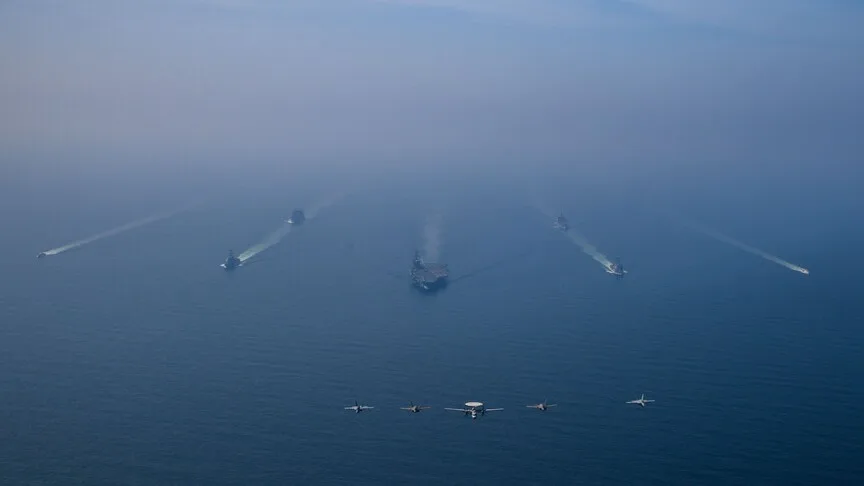
Since the blockade began on April 13, 2026, US Central Command has disabled nine vessels violating the restrictions, redirected 135 compliant ships, and allowed passage for 42 vessels carrying humanitarian aid. The blockade is enforced impartially against all ships entering or leaving Iranian ports and coastal areas in the Arabian Gulf and Gulf of Oman, regardless of nationality [1, 2].
India’s protest focused on repeated US strikes in the Strait of Hormuz, highlighting risks to Indian seafarers operating in the region. MEA spokesperson Jaiswal stated, "There have been several incidents involving Indian seafarers in West Asia in the last few days... Yesterday, we condemned the attack on a ship off the coast of Oman in which, unfortunately, we lost three Indian nationals" [1].
The US Central Command continues enforcement operations under the maritime blockade, with no immediate changes announced.