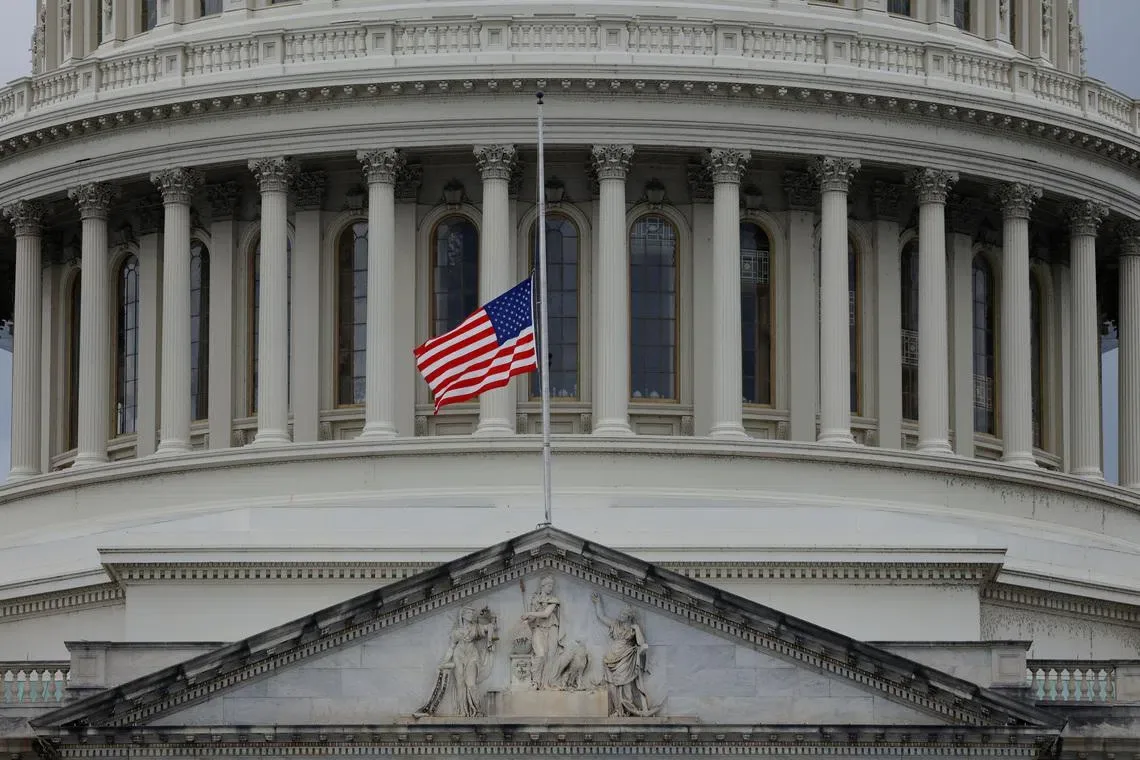
The US House of Representatives voted 314-104 on July 15, 2026, to reject a Republican-sponsored amendment that would have cut $3.3 billion in annual military aid to Israel from the State Department spending bill [1, 2, 3, 4, 5].
The amendment, introduced by Rep. Thomas Massie (R-Ky.), aimed to bar all funding for Israel under the 2016 Memorandum of Understanding that commits $3.3 billion annually until 2028 [1, 3]. Massie said, "There have been 70,000 casualties in Gaza and I don't think we should be part of that," referring to the ongoing conflict following Hamas's October 7, 2023, attacks on Israel and Israel’s subsequent military offensive in Gaza [1].
The vote exposed a sharp divide within the Democratic caucus. Nearly half—103 or 104 Democrats—voted in favor of the amendment [1, 2, 3], despite House Democratic Leader Hakeem Jeffries opposing it and refusing to whip the vote. Jeffries described the amendment as overly broad and said, "A meaningful change in direction is needed for the U.S.-Israel relationship, but there are more decisive ways to achieve the urgent change necessary when it comes to the far-right Netanyahu government" [2, 3, 6].
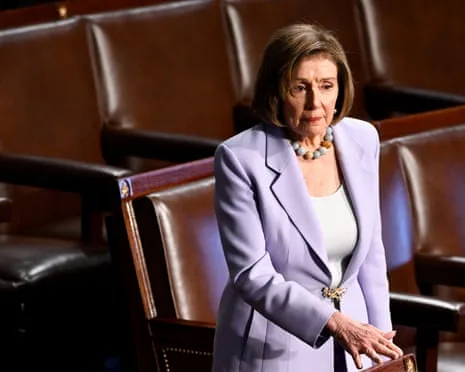
In contrast, Democratic Whip Katherine Clark diverged from Jeffries, supporting the amendment and citing concerns over unchecked military aid. Clark stated, "It is clear that the status quo is not tenable. We should not provide a blank check for military aid to any country that does not comply with US law, interests, and values" [2, 6, 4, 5]. Other Democrats, like Rep. Greg Casar, argued the public is demanding an end to US dollars subsidizing Israel’s military [2]. Pelosi supported the amendment to send a message but deemed it ill-conceived [3].
Some Democrats were concerned the amendment lacked carveouts to preserve humanitarian aid to Palestinians, which contributed to opposition within the party [6, 4]. The amendment would have blocked all State Department funding to Israel, including aid unrelated to military support [6, 4].
The 2016 Memorandum of Understanding obligates annual military aid to Israel through 2028, which the House overwhelmingly supported by a 405-4 vote at the time [1]. The House vote on July 15 was largely symbolic, as passing the Senate and overcoming a presidential veto appeared unlikely [1, 3].
The vote follows the violent Hamas attack on October 7, 2023, which killed approximately 1,200 people in Israel, and the subsequent Israeli military offensive, which Gaza health officials say caused over 70,000 Palestinian casualties [1, 5].
The next major legislative step will be the Senate’s consideration of the State Department spending bill, where similar amendments face uncertain prospects.