US Secretary of State Marco Rubio proposed a plan on May 31 for gradual de-escalation between Israel and Lebanon involving Hezbollah stopping attacks on Israel in exchange for Israel refraining from escalation in Beirut’s southern suburbs [1]. Lebanese authorities confirmed that Hezbollah had agreed to the US proposal for a mutual halt to attacks with Israel the following day [2, 3].
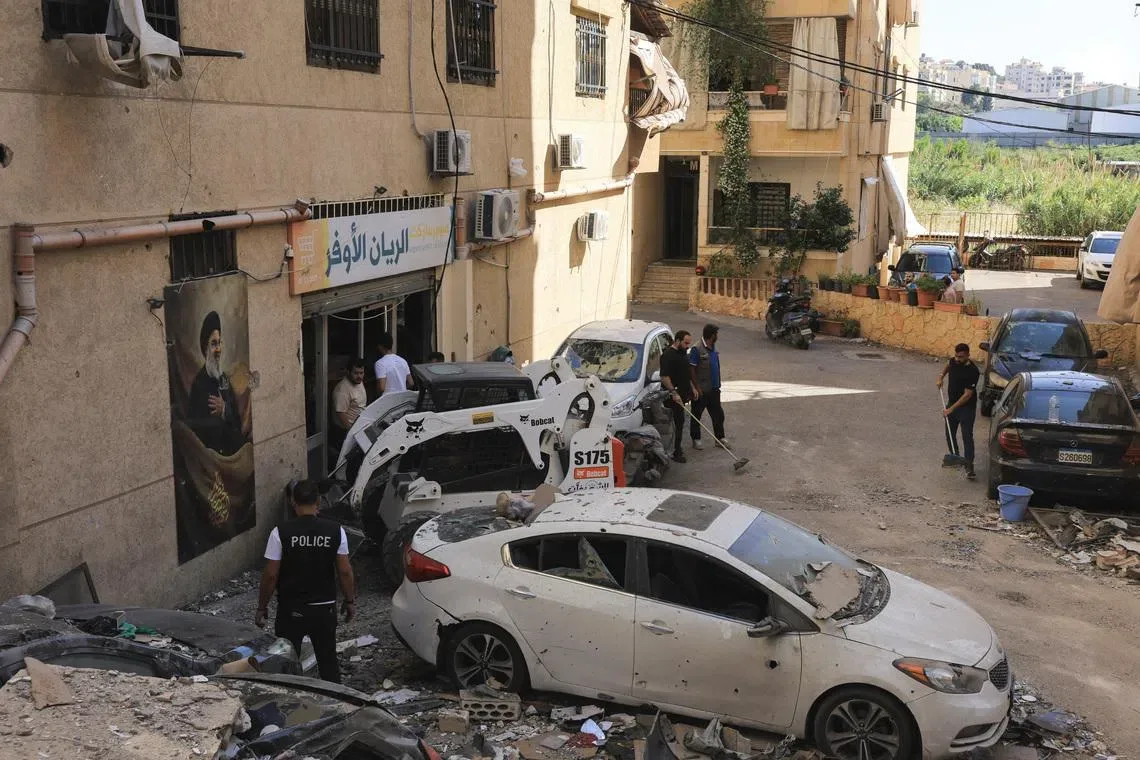
Under the arrangement, Israeli strikes on Beirut's southern suburbs would cease in exchange for Hezbollah refraining from launching attacks against Israel [2, 3]. Lebanese Parliament Speaker Nabih Berri said he guarantees Hezbollah’s commitment to the ceasefire but placed the burden on Israel to stop shooting first [1]. The ceasefire is expected to later expand to cover all Lebanese territory [2, 3].
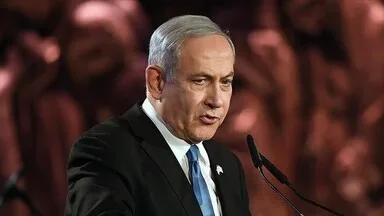
Despite the ceasefire announcement more than six weeks ago, Israeli Prime Minister Benjamin Netanyahu ordered troops to move deeper into Lebanon, and Israeli forces seized sites such as Beaufort Castle amid ongoing fighting [1, 3]. This has caused some disagreement over adherence to the ceasefire. While some sources report continued Israeli troop movements and fighting [1], former US President Donald Trump stated that Israel and Hezbollah had reached an understanding to stop attacks against each other, including Israel not sending troops to Beirut [3].
New rounds of US-mediated talks between Lebanese and Israeli representatives are scheduled for June 2-3, 2026, aiming to build on the ceasefire development [2, 3].
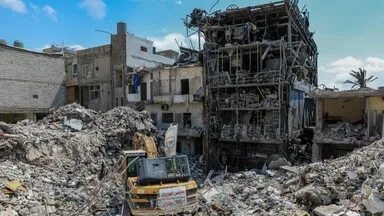
Lebanon’s Health Ministry has reported over 3,400 fatalities in Lebanon since fighting began on March 2, 2026 [3]. Iran has indicated it conditions a permanent US-end deal on fighting ending on all fronts, including Lebanon [3].
The talks in early June are expected to focus on expanding and enforcing the ceasefire settlement and addressing remaining points of contention.