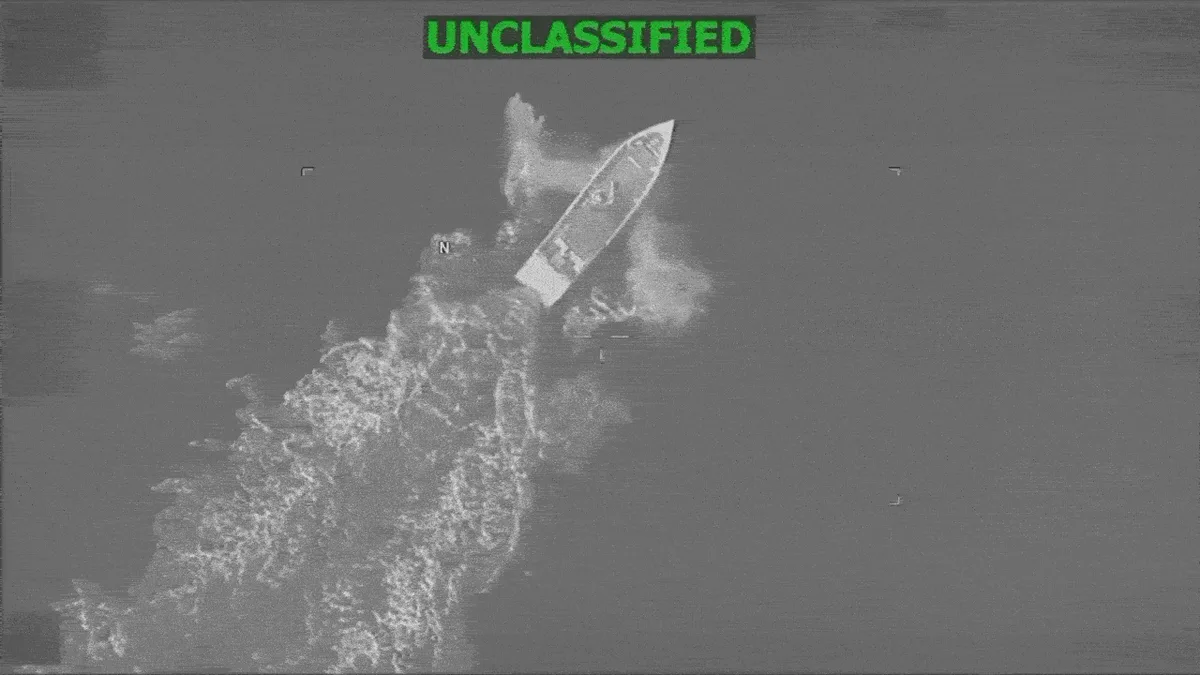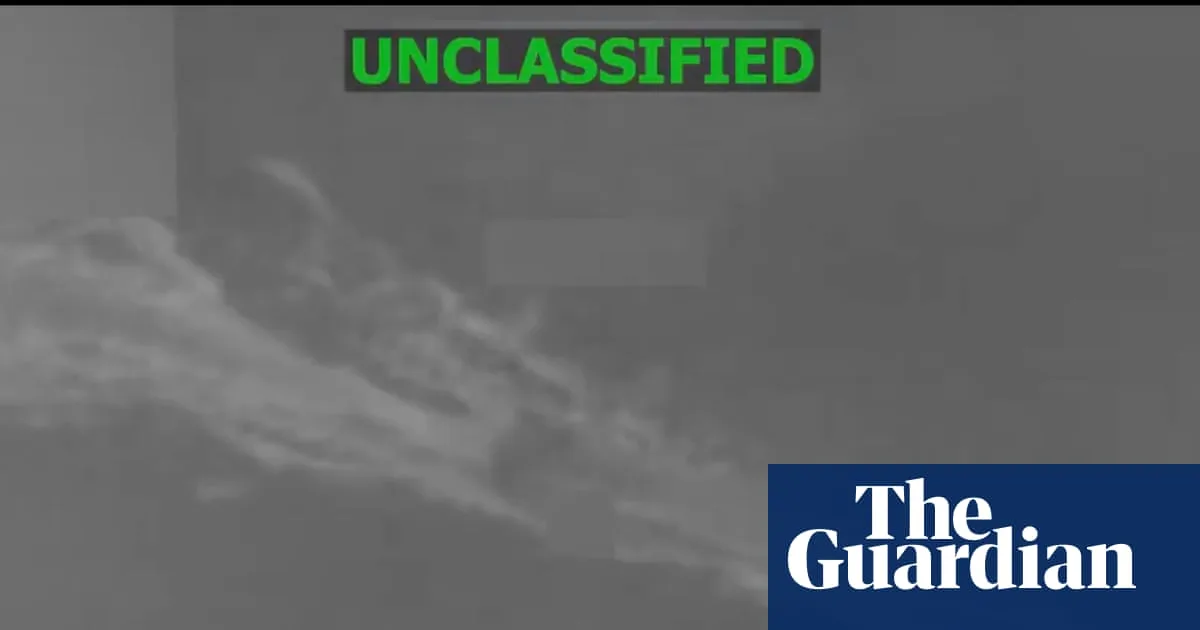
US Southern Command executed a lethal kinetic strike on August 23, 2026, targeting a low-profile vessel in the eastern Pacific Ocean and killing two people accused of drug trafficking, the first announced strike since late June [1, 2, 3, 4]. Two days later, on August 25, the command conducted another lethal strike on a fast-moving vessel in the Caribbean Sea, killing four individuals identified as narco-terrorists [5, 6].
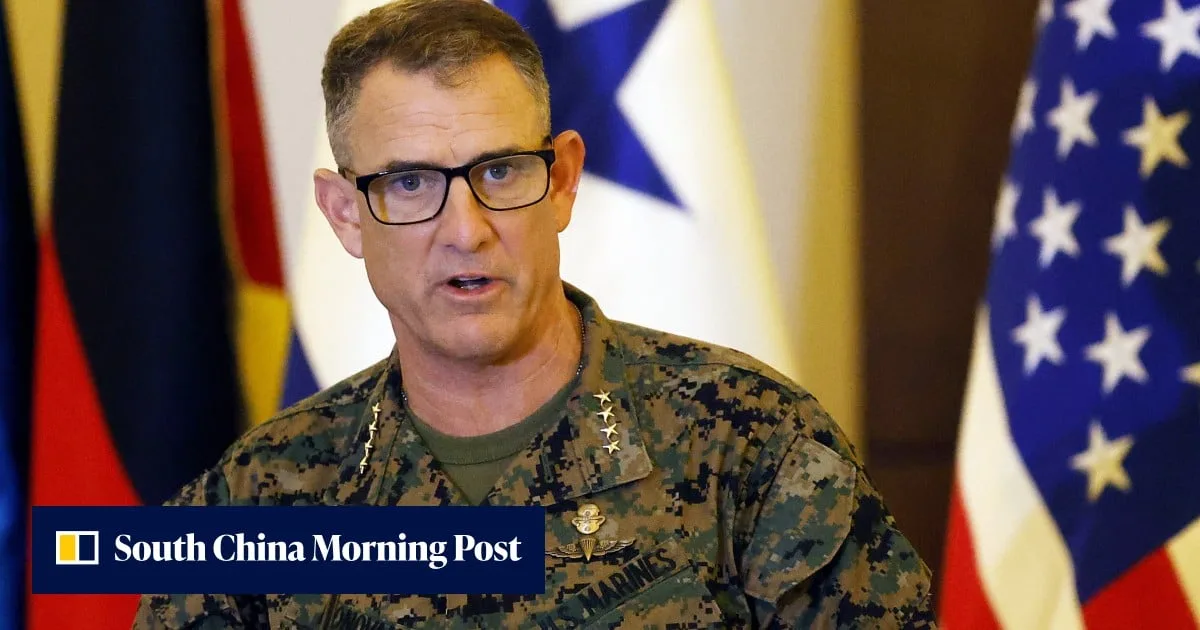
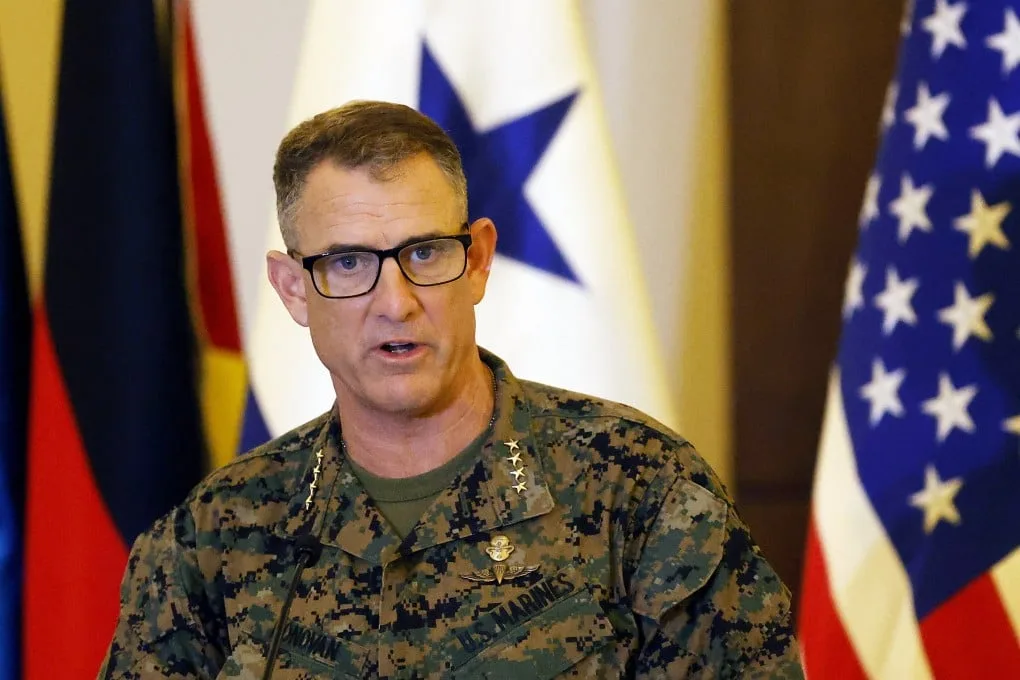
These strikes are part of an ongoing US military campaign that began in September 2025 aimed at targeting suspected drug trafficking vessels operating along established narcotrafficking routes in the eastern Pacific and Caribbean regions [1, 3]. The campaign has resulted in 67 to 68 strikes and between 223 and 227 deaths to date [1, 5]. US Southern Command, led by General Francis L. Donovan, oversees the Joint Task Force Western Hemisphere responsible for executing these operations [1, 3, 6, 4].
General Donovan emphasized the US commitment to disrupting narco-terrorism, stating, "We are committed to imposing total systemic friction on narco-terrorists — disrupting their operations, dismantling their leadership, and eliminating cartel terror across the region" [1]. He also said, "Let me be clear, we will not permit narco-terrorists to operate with impunity in the Western Hemisphere, nor will we allow their deadly poison to reach American communities" [3]. The general added that Joint Task Force Western Hemisphere "continues executing precise, lethal operations against the cartels. We will hunt, disrupt, and defeat these narco-terrorist networks" [6].
US Southern Command bases its strikes on confirmed intelligence identifying vessels operating along narcotrafficking routes but generally does not publicly provide evidence linking the targets to drug trafficking[s1-s6]. While the campaign has resulted in documented deaths, human rights organizations have criticized the strikes as potential extrajudicial killings [3, 5]. At least 28 survivors have been documented, but only three have been rescued and repatriated [1].
The US administration has sought agreements with Colombia, Guatemala, Honduras, and Ecuador to expand counter-narcotics operations on land. However, Guatemala officially denied reaching a deal permitting joint US military operations on its territory [1, 2].
Earlier in 2026, US strikes paused after powerful earthquakes struck Venezuela on June 24, which killed thousands. The August 23 strike marked the resumption of lethal operations after that pause [1, 2, 3].
The campaign continues under the leadership of General Donovan and the Joint Task Force Western Hemisphere. Additional strikes and operational updates are expected as the US pursues its counter-narcotics objectives across the region.
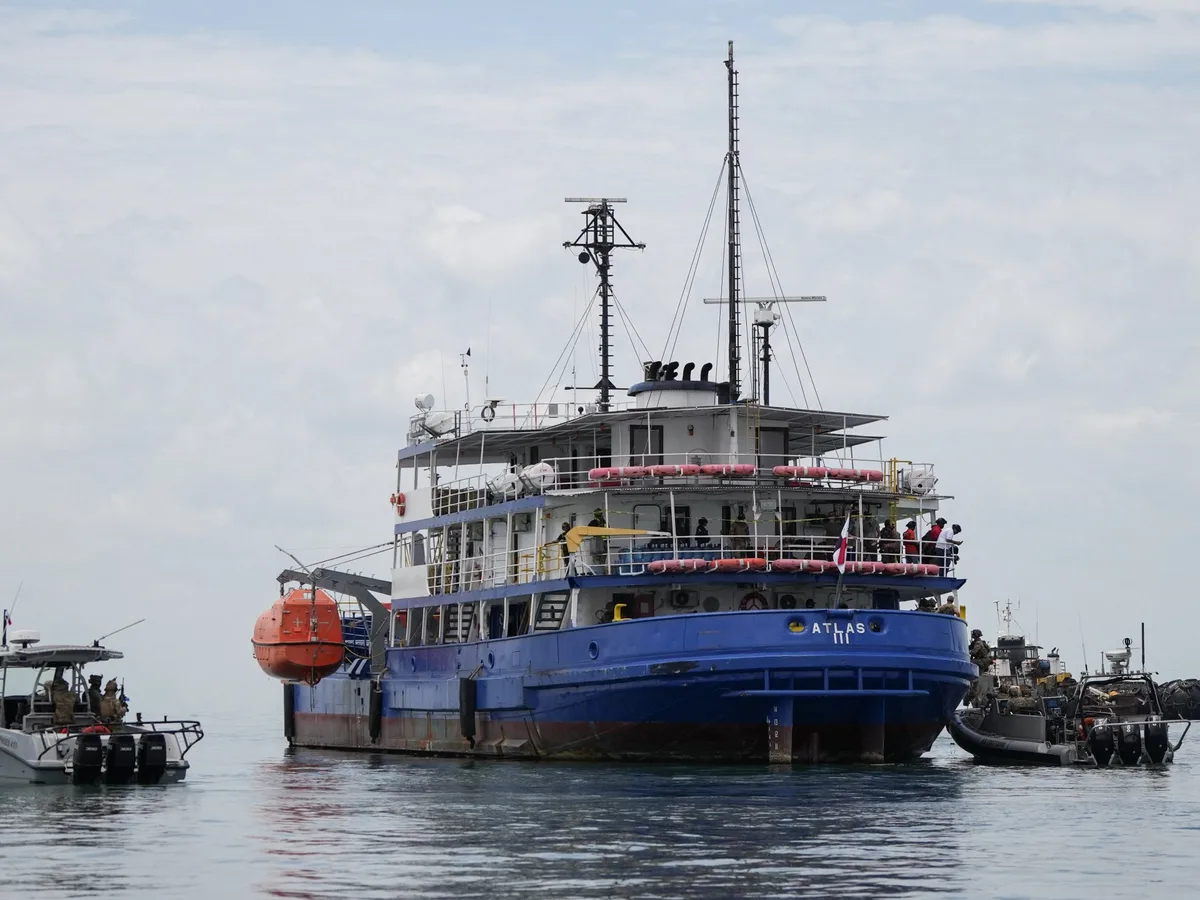
![Vessels take part in a joint training exercise during Panamax 2026, a multinational exercise led by Panama and sponsored by U.S. Southern Command (SOUTHCOM), in Panama City, Panama, on August 7, 2026. [Enea Lebrun/Reuters]](/uploads/2026/08/24/354d5d8ca2c8b2a85749af44.webp)